The thing nobody says out loud
You want sex more often than your partner does. You're not broken, and neither are they. But the gap between your desire and theirs is starting to feel like a problem you're supposed to solve alone. Most couples never talk about this directly. Instead, one person ends up feeling rejected and the other ends up feeling pressured, and both of you end up somewhere farther apart than you started.
Here's what I see in my practice: desire mismatch is incredibly common, and it doesn't mean your relationship is in trouble. It means you need a strategy that honors both people's needs without turning sex into a source of conflict.
Lemon clitoral vibrators, and specifically the lem vibrator, can be part of that strategy. Not as a replacement for your partner, but as a tool that lets you take care of your own pleasure on your own timeline. Which sounds simple until you realize how much power that actually gives you.
Why desire mismatch hits harder than people expect
When your sex drive is higher than your partner's, a few things happen in sequence. First comes hope. Maybe tonight will be different. Then comes the subtle checking in. You might initiate more gently, trying to read the room. Then comes the calculation. Is it worth asking? Will they feel pressured? Eventually, a lot of people just stop asking, and that's where resentment quietly moves in.
The reason this is so painful is that rejection in this context doesn't feel sexual. It feels personal. Your brain hears "not tonight" as "not you." Even though you know logically that your partner's lower libido has nothing to do with how they feel about you, the emotional landing is still rough.
What's harder to admit is that when you stop initiating, your partner sometimes doesn't notice. They might be relieved the pressure is off. And that mismatch in awareness is where couples start living parallel lives instead of shared ones.
The problem with waiting for them to want it
I'm going to say something that sounds counterintuitive: asking your partner to want sex more often almost never works. Desire isn't something you can logic into existence. You can't negotiate it. You can't shame it. And you definitely can't create it by making your partner feel like they're letting you down.
So what actually works? Taking your pleasure seriously as something that matters, separate from your partner's participation. This doesn't mean shutting them out. It means acknowledging that you have a legitimate need and you're allowed to meet it.
A clitoral vibrator like the Lem gives you a way to do that without drama. It's not a sign of giving up on partnered sex. It's you saying: my body deserves attention. My pleasure is worth prioritizing. And I'm not going to wait for external circumstances to feel good.

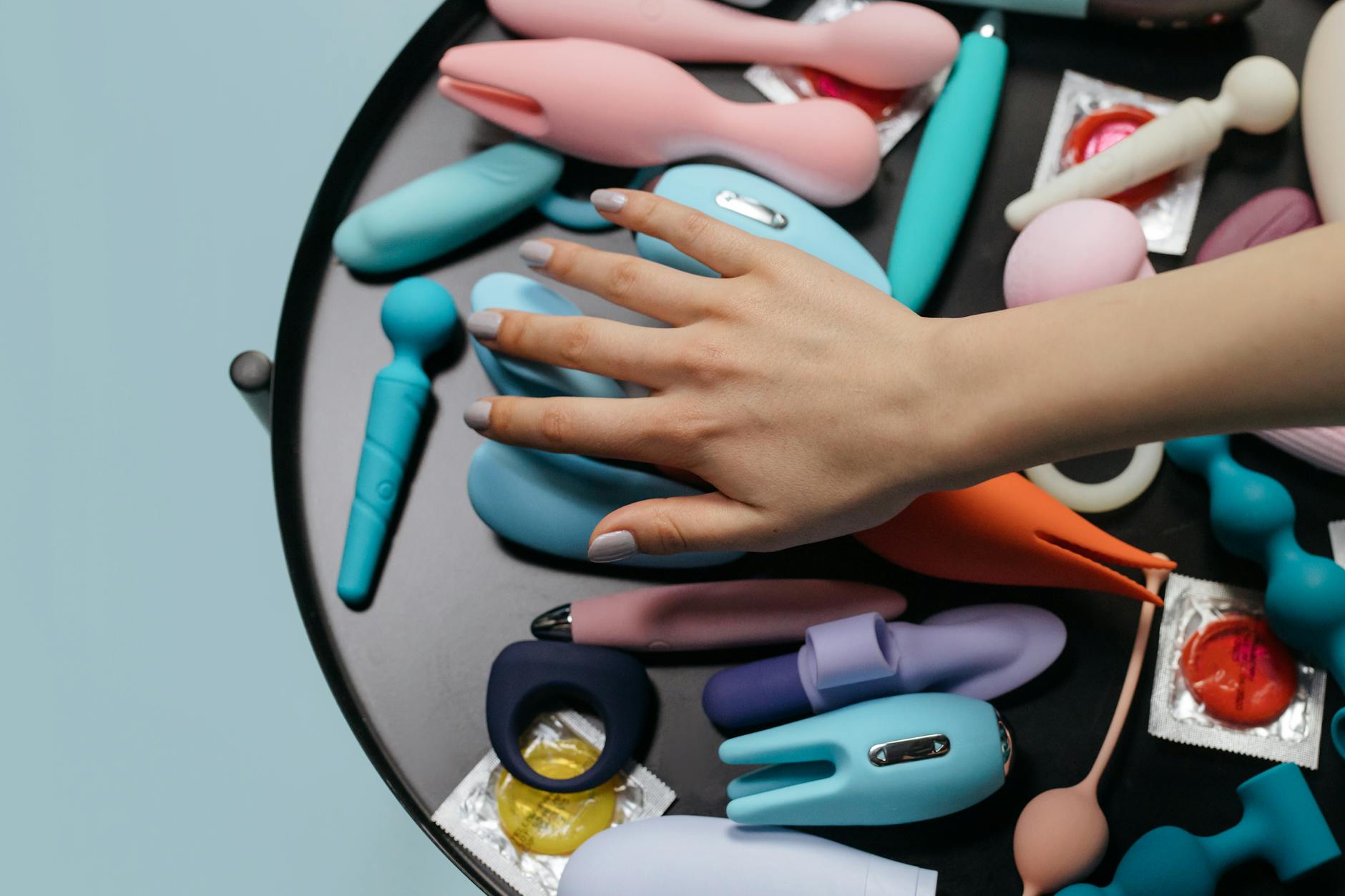
Photo by cottonbro studio on Pexels
How lemon sexual toys change the conversation
Here's the secret that actually works: when you stop needing sex from your partner, you often get closer to them. That sounds backwards, but the mechanism is real. The moment you release the pressure on them to be the sole source of your pleasure, something shifts. They stop feeling like they're failing you. You stop building resentment. And paradoxically, many couples find that partnered sex becomes more frequent and genuinely better when both people aren't carrying the weight of unmet need.
Lemon vibrators create physical space for this. Using a lemon clitoral vibrator on your own terms, on your own timeline, removes the performance pressure that often kills desire between partners. You're not waiting. You're not negotiating. You're just taking care of yourself.
The bonus: when you actually do have partnered sex, your body is more responsive because you're not coming to it depleted or angry. You're coming to it from a place where your own pleasure has already been honored. That changes everything.
The practical setup that actually works
Let's talk logistics. If you want to use a lemon sucker or other clitoral vibrator without it becoming a source of tension, a few things help.
First: tell your partner. I know that sounds vulnerable, and it is. But secrecy turns a normal thing into something shameful. A conversation as simple as "I've been thinking about my own pleasure more, and I got something for solo time" is enough. You're not asking permission. You're just letting them know. Most people respond better to directness than to discovery.
Second: have your own space and time. This isn't about hiding. It's about creating a boundary that makes sense. You might use a lemon vibrator on a night when your partner isn't in the mood, or early in the morning before they wake up, or whenever it works for your routine. The specifics matter less than the consistency. Your partner learns that this is your regular self-care, not a rejection of them.
Third: don't use it as a punishment. Here's what doesn't work: "Fine, I'll just use my vibrator instead," said with resentment. That's not taking care of yourself. That's performing dissatisfaction. Real solo pleasure is matter-of-fact. It's not dramatic. It's not pointed at anyone. It's just you, your body, and the thing that feels good.
When partnered sex does happen
One of the surprising benefits of regular solo pleasure is that it can actually make partnered sex easier. You're not climbing a mountain of unmet need. You might ask: "Want to be in the room while I use this?" or "Want to try this together sometime?" These aren't demands. They're invitations. And invitations land totally differently than pressure.
Some couples find that how to use lemon vibrators during midlife relationship reconnection strategies work well when both people are willing. Some find that their partner becomes more interested once the pressure is off. Some find that their solo pleasure and partnered sex stay in separate lanes, and that's fine too.
The point is: you're not trying to fix your partner's desire. You're taking care of your own. That's a totally different project.
Handling the jealousy or insecurity conversation
Sometimes a partner gets uncomfortable when you introduce toys into solo play. The insecurity is usually some version of "does this mean you don't want me?" or "am I not enough?" These are real feelings, and they deserve a real answer.
You can say: "A vibrator does one thing really well, which is give consistent stimulation. It's not a relationship. It's not emotional. You give me all the things a vibrator can't." That's true. Solo pleasure and partnered connection operate in completely different territories.
If your partner stays uncomfortable, that's worth exploring in conversation, and how to use lemon vibrators when you have no sexual desire with your partner addresses some of those deeper connection questions too. But the baseline stands: your pleasure is not a zero-sum game. You having orgasms solo doesn't deplete anything your partner has.
The thing that actually heals desire mismatch
It's not the vibrator. It's the shift in your mindset. When you decide that your pleasure is your responsibility, not your partner's job, something fundamental changes in the relationship. The pressure lifts. The resentment stops building. And from that calmer place, you can actually have real conversations about sex and desire.
Maybe your partner's libido is lower because they're stressed, or they're on medication, or they have their own stuff happening. Maybe it's just a biological difference between you. Once you're not in scarcity mode, you can actually ask and listen. You can be curious instead of hurt.
Sometimes that leads to solutions. Sometimes it leads to acceptance. But you're both moving from a place of "you're failing me" to "here's what we're both dealing with." That's the difference between a problem that destroys relationships and one that couples actually navigate together.
People Also Ask
Will using a vibrator make my partner feel less wanted?
Not if you're clear that it's about your own pleasure, not about them. The dynamic that kills attraction is resentment. When you take care of your own needs without blame, most partners actually feel relieved. The pressure is off. Paradoxically, that often makes them want you more.
How often should I use a lemon clitoral vibrator if my partner isn't interested in partnered sex?
There's no rule. Use it as often as it feels good to you. Some people find that weekly solo sessions are enough. Others use a vibrator a few times a week. The only metric that matters is whether you feel satisfied and whether your partner feels respected. Find your rhythm.
Should I hide my vibrator, or is it okay to keep it visible in the bedroom?
It depends on your relationship. Some couples are completely open about toys everywhere. Others prefer to keep them in a drawer. There's no morally correct answer. What matters is that you and your partner agree on what feels right. If you're hiding it because you're ashamed, that's one problem. If you're keeping it private just because that's what works for your dynamic, that's totally fine.
Can I use a lem vibrator during partnered sex if my partner has low desire?
Absolutely. Some couples find that incorporating a clitoral vibrator during partnered sex makes it easier for the partner with higher drive to feel satisfied without putting pressure on the other person to perform longer or harder. It's a tool that can make partnered sex work better for both people, not just one.
What if my partner wants to use the vibrator on me but doesn't want partnered sex otherwise?
That's a legitimate choice and worth exploring. Some people have low libido for partnered sex but are happy to participate in your pleasure in other ways. That's actually a sign of care. Take it as such. The form of connection matters less than the presence of it.
How do I bring up solo pleasure with a partner who might feel threatened?
Be straightforward and non-defensive. Something like: "I've been thinking about ways to take better care of myself sexually. I'm getting a vibrator for that. I wanted you to know because I don't want you to discover it and feel surprised." Then listen. If they have insecurity, it deserves space, but it's not a veto on your pleasure. You're informing, not asking permission.
The real outcome
I've watched desire mismatch destroy relationships and I've watched it become a non-issue once both people stopped treating it like a problem one person caused. A lemon vibrator won't fix desire mismatch, but it can remove the pressure that's usually making it worse. And from that calmer place, actual intimacy becomes possible again. Not just sexual. Emotional. The thing that actually holds couples together.