
When desire just stops
Let's be real. Waking up one day and realizing you don't want sex with the person you love is terrifying. It's not the same as "not in the mood tonight." It's the absence of something that used to be there, and no amount of wine or mood lighting brings it back.
Most people blame their body first. Hormones. Stress. Depression. Sometimes those things matter. But in my clinical work with couples over the past two decades, I've seen that when desire goes missing in a relationship, it's almost never purely physical. It's usually a signal that something emotional has shifted.
What killed the desire (and it's not what you think)
Desire doesn't die from lack of attraction. It dies from lack of felt safety, from resentment that's been quietly building, from emotional disconnection that sex hasn't touched in months or years. It dies when you feel unseen by your partner. When there's unfinished business in the relationship that neither of you has named.
Sometimes it's small and cumulative. Years of your partner not listening during hard conversations. Years of carrying more of the mental load. Years of your own needs getting smaller. Sometimes it's one big rupture that was never properly repaired.
The body keeps score. And when your nervous system doesn't feel safe with someone, arousal won't show up, no matter how much you want it to.
Why a lemon clitoral vibrator is different right now
Here's the thing about desire returning through solo pleasure first. When you use a lemon vibrator on your own, you're not performing for anyone. You're not waiting for permission or trying to come at the right speed. You're meeting your own pleasure without apology, and that matters more than you might think.
Tools like the lem vibrator, which work through gentle suction rather than vibration alone, actually help your nervous system recalibrate. The sensation is less aggressive, which can feel safer when you're emotionally raw. You're not forcing arousal. You're inviting it gently back.
Using a lemon sucker or clitoral vibrator solo also does something psychological. It says to yourself: "My pleasure still matters, even if things are hard right now." That's not selfish. That's essential.
The three-step framework for rebuilding desire
Step One. Separate the conversation. Tell your partner something like this: "I want to work on our connection, but I need to do that separately from trying to fix my desire right now." Many couples get stuck because they're trying to solve the relationship and the desire at the same time. Pick one first. Usually, desire follows when the relationship gets safer.
Step Two. Start solo, not together. Use a lemon vibrator on your own, without any expectation of sharing the experience with your partner yet. Your job is to find out if desire even exists when you're alone. Many people discover their desire never left. It was just guarded. Three to five solo sessions will tell you a lot.
Step Three. Reconnect non-sexually first. Before you try anything sexual together, rebuild non-sexual touch. Hand-holding. Massage. Sitting close while watching something. Talking without screens. These things rewire safety. This is where real desire gets rebuilt, not in the bedroom.
What changes when you use lemon vibrators solo
Focus on sensation instead of outcome. Set a timer for 20 to 30 minutes and commit to just exploring pleasure without trying to orgasm. Start with the lowest setting. Notice what feels good. Notice where your mind goes. This is data about what your body is actually telling you right now.
Many people report that after weeks of solo pleasure work with a quality lemon clitoral vibrator, something shifts. Not because the vibrator magically fixes the relationship, but because reconnecting with your own arousal reminds you that you're still alive, still sexual, still worthy of pleasure. And that sense of aliveness becomes something you want to share.
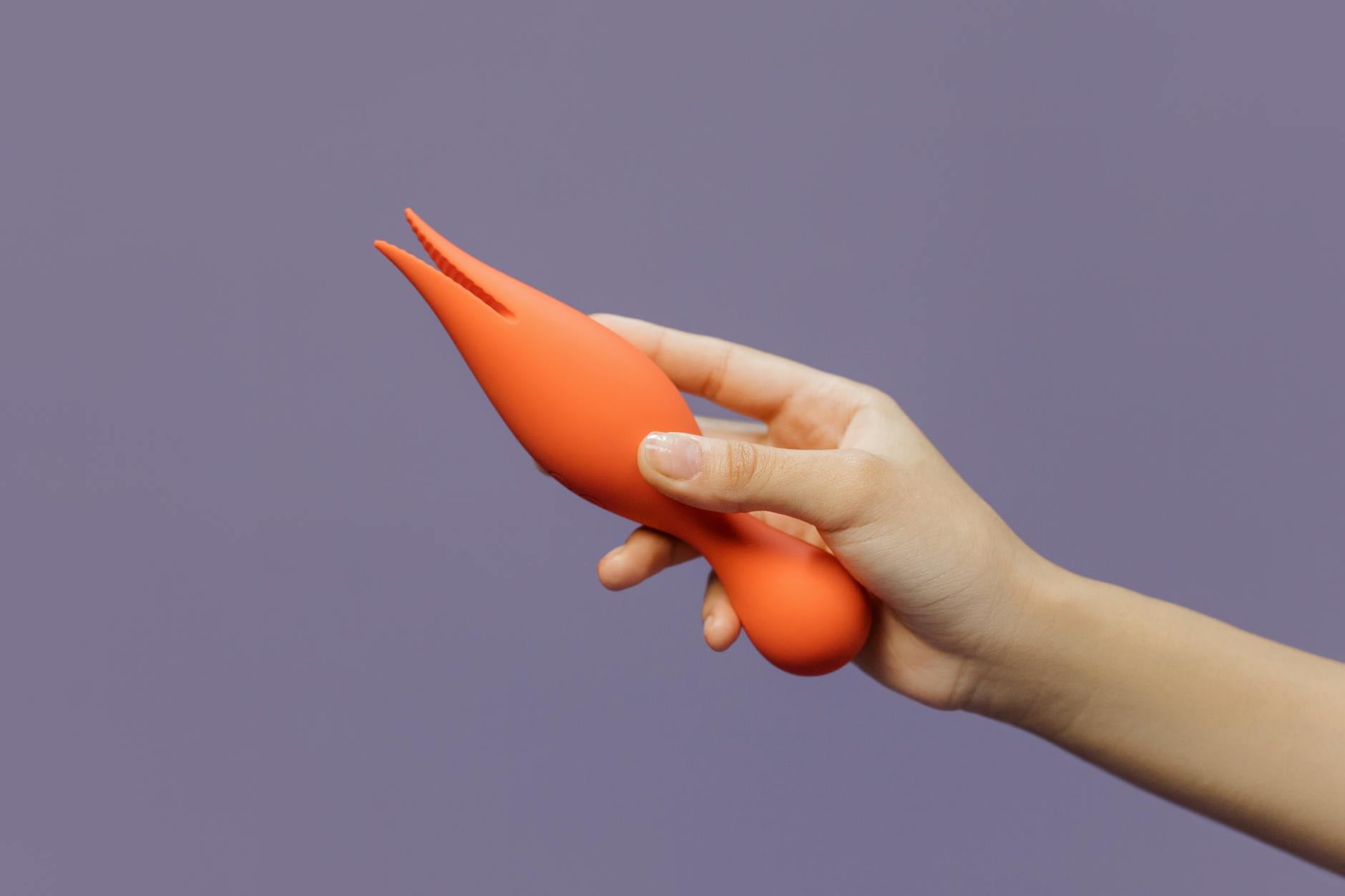
Photo by cottonbro studio on Pexels
When to introduce your partner to the process
Wait until you feel something. You don't need orgasms. You just need to notice that your body wakes up sometimes. Then you can have a conversation that sounds like this: "I've been using a vibrator on my own and it's helping me reconnect with my own pleasure. I'm not ready for us to be sexual yet, but I wanted to be honest about what I'm doing."
Then shut up. Your partner might feel relief, or shame, or worry, or anger. Let them have whatever they have. The point isn't to make them comfortable. It's to be honest.
If your partner responds with curiosity instead of judgment, you can eventually ask: "Would you ever be open to exploring this together?" But that invitation doesn't happen until you've rebuilt some basic safety in the relationship itself. A lemon vibrator can't do the relational work. Only you and your partner can.
The difference between shame and healing
Using a sex toy because your desire vanished is not giving up on your relationship. It's not cheating on it or betraying it. It's actually one of the most honest things you can do because you're not lying in bed pretending to want something you don't. You're getting curious about what's real.
Some partners will feel threatened. That's understandable and worth talking about. Some partners will feel like it's the first sign of hope they've had in months. Pay attention to which one your partner is.
The couples who successfully rebuild desire after it's gone are usually the ones willing to start from the ground up. Not by trying harder. By stopping and actually naming what broke. By using tools like lemon clitoral vibrators not as a replacement for your partner, but as a way to stay sane and connected to yourself while you figure out if the relationship is worth rebuilding.
When professional help matters
If you've been without desire for longer than six months and nothing is shifting, talk to a therapist who specializes in couples work. Not because something is wrong with you. Because relationships sometimes need a third person to help untangle what got stuck. I've seen countless couples go from "I don't think I can save this" to "I forgot why I loved this person" with the right support.
When desire is truly missing, it's usually pointing at something bigger. The vibrator is just a tool to help you stay connected to yourself while you figure out what that something is.
Frequently Asked
Can using a lemon vibrator alone actually bring back desire for my partner?
Solo pleasure can help you reconnect with your own capacity for arousal, which is the first step. But desire for your partner specifically usually comes back through non-sexual reconnection first. The vibrator keeps you from giving up on pleasure entirely while you do the harder relational work.
What if my partner finds out I'm using a lemon clitoral vibrator and gets angry?
Their anger is worth exploring, but not in the moment. Wait until you're both calm and ask: "What scared you about that?" Often it's not about the vibrator at all. It's about feeling replaced or inadequate. Those conversations are hard, but they're the ones that actually rebuild connection.
Should I tell my partner I'm using a lem vibrator even if we're not having problems communicating?
Even good couples have secrets about pleasure sometimes, and that's okay. But if you're using a vibrator to rebuild desire in a struggling relationship, honesty usually helps more than secrecy. It depends on your relationship's culture around sex and vulnerability.
How long does it take for desire to come back if I use lemon vibrators regularly?
There's no timeline. Some people feel a shift in weeks. Some take months. Some discover that desire doesn't actually want to come back because too much has broken in the relationship, and that's important information too. Use the vibrator as a way to get honest with yourself, not as a deadline.
Is it normal that I feel guilty using a vibrator when my partner wants sex with me?
Completely normal. You might have internalized the message that your partner's needs come before your own pleasure. But pleasure that's built on guilt isn't real pleasure. Using a lemon vibrator to rebuild your own desire isn't selfish. It's the opposite. You're making sure you have something real to bring back to the relationship.
Can lemon vibrators help if the problem is that I find my partner unattractive now?
That's a different conversation. A vibrator can help you stay connected to pleasure while you figure out if the unattraction is about the relationship or genuinely about physical chemistry. Sometimes couples rebuild attraction through doing new things together, taking better care of themselves, or getting into couples therapy. Sometimes they realize they've grown in different directions. A vibrator can't answer that question for you, but it can keep you from completely shutting down while you figure it out.
The truth about desire and vibrators
Your body isn't broken. Your desire didn't disappear because you're too old or too stressed or not pretty enough. It disappeared because something in your relationship needs repair, and your nervous system is protecting you by shutting down arousal. That's actually your body being wise, not failing you.
Using a lemon clitoral vibrator when desire has vanished isn't about faking it or forcing it. It's about staying curious. It's about remembering that pleasure is still possible even when the relationship feels stuck. And sometimes, that small thread of connection to your own aliveness is exactly what you need to start the harder work of rebuilding the relationship itself.
Start solo. Get honest with yourself about what you actually feel. Then decide what you want to do next. The vibrator is just a tool. You're the one doing the real work.