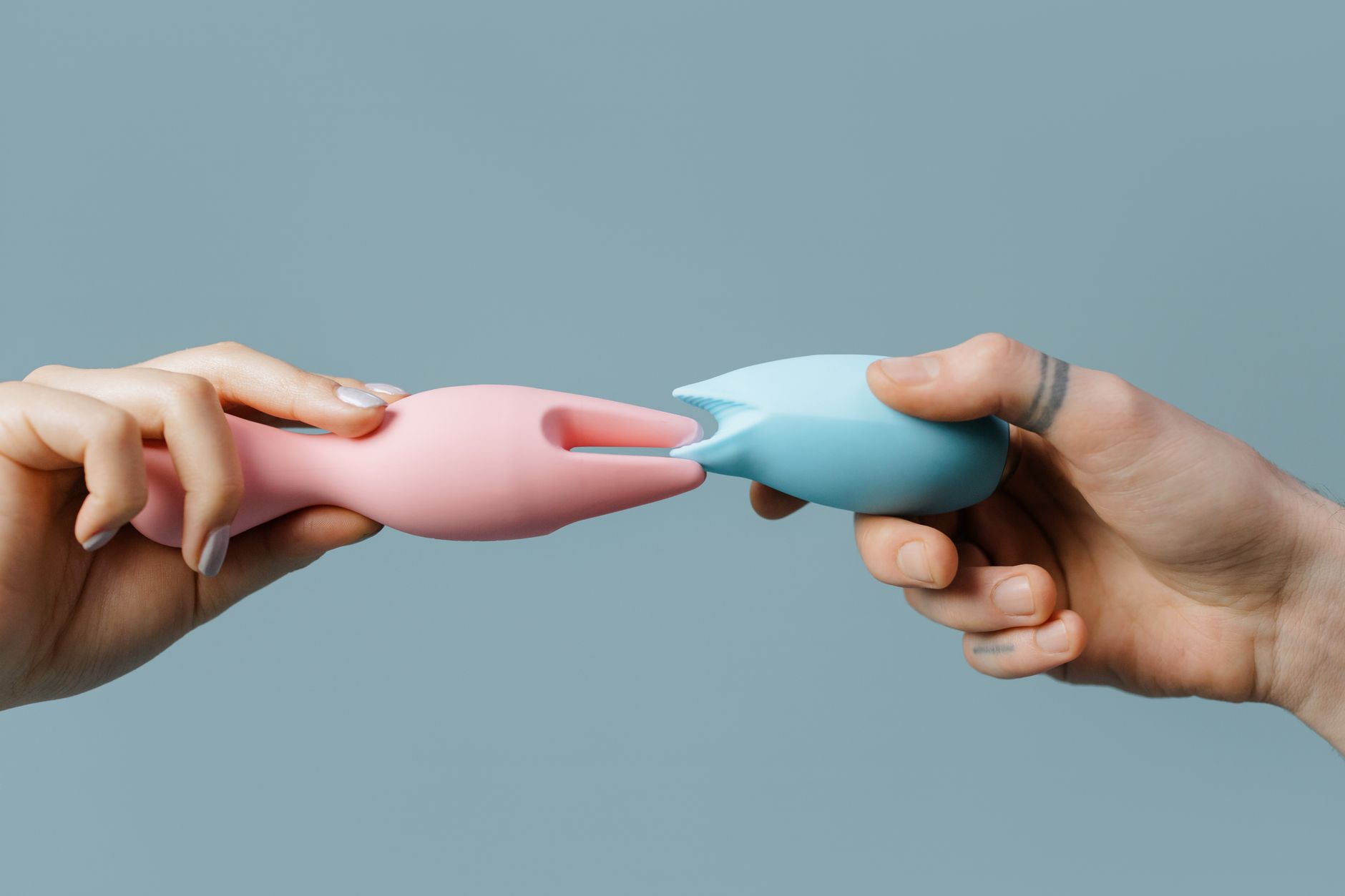
How to Use Lemon Vibrators With a Partner Who's Newly Interested
Your partner said yes. Maybe they've watched you use a lemon vibrator solo, or maybe they opened up in conversation and admitted they've been curious. Either way, they want to try it together, but you can sense the hesitation underneath. That's completely normal. Introducing any new tool into partnered pleasure carries real vulnerability, and most people don't know how to start without it feeling awkward or performative.
Here's what I tell couples in this exact position: the lemon vibrators and clitoral vibrators work best when both people feel genuinely excited, not just obligated. That takes communication, patience, and a willingness to move at the speed that actually works for both of you. Not faster because you think you should. Not slower because you're afraid to disappoint.
Start by talking about what "trying it together" actually means
Let's be real. When someone says "I want to try lemon vibrators together," they might mean five different things. They might want to use it on you while they watch. They might want you to use it on them. They might want to hold it together. They might want it nearby but not the main event. They might be wondering if trying it means they have to orgasm from it immediately, or if just experiencing it counts as success.
None of those assumptions are small. A thirty-second conversation saves you both a lot of awkwardness later.
I recommend asking directly: "What are you picturing when you think about us using this together?" Listen without jumping to explain or defend. If they're vague ("I don't know, whatever feels natural"), that's okay, but offer specifics: "Would you want me to use it on you, or would you rather use it on me? Or both?" Knowing the answer before you're both in the moment removes a layer of performance pressure.
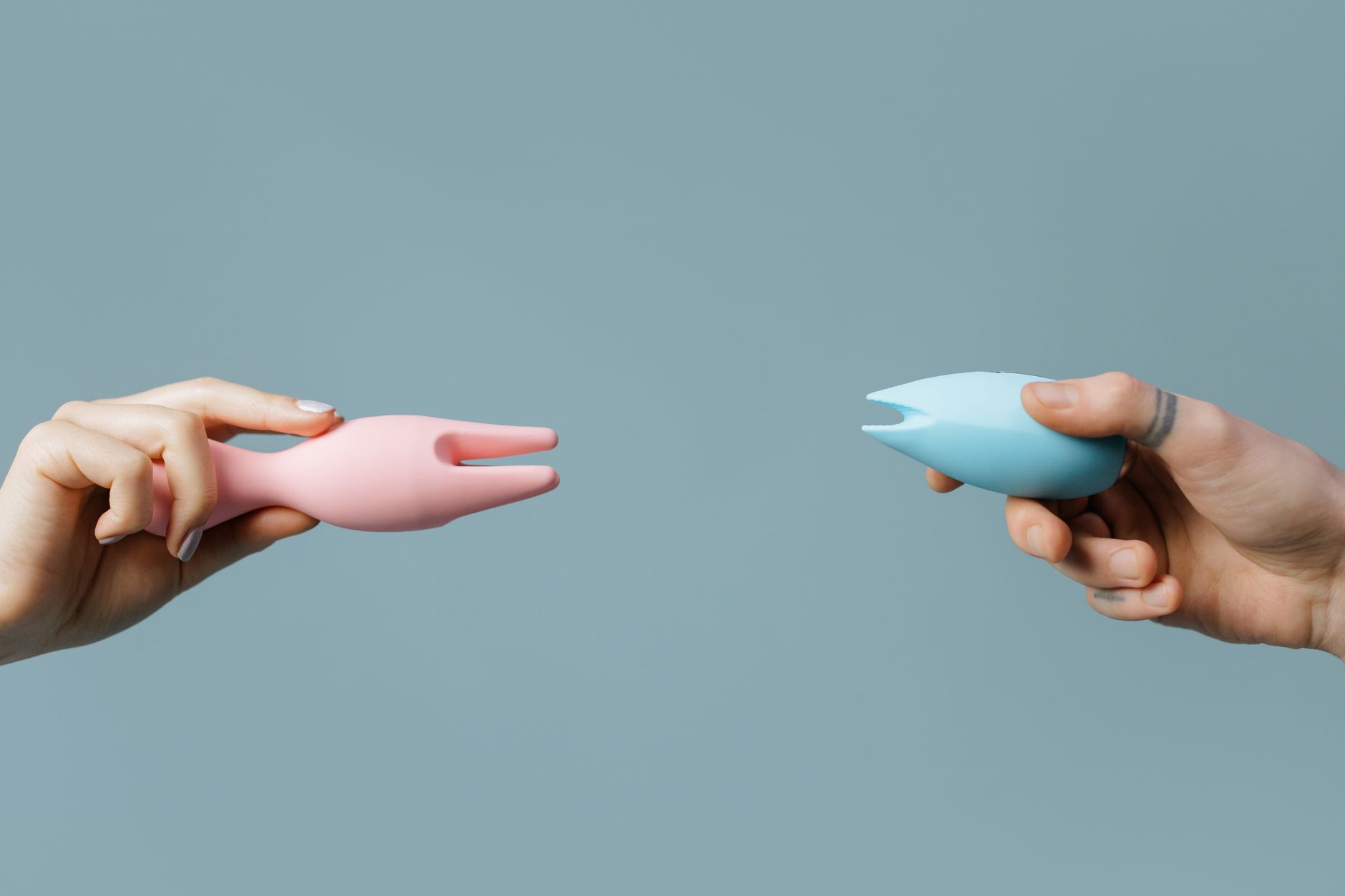 Photo by cottonbro studio on Pexels
Make the first time about exploration, not performance
This is the biggest mistake couples make. They load the first try with expectation. "Let's use lemon vibrators and see if it makes everything better." That's a lot of weight to put on a toy. What happens if someone doesn't orgasm? What if it feels weird the first time? What if the sensation is overwhelming or disappointing?
Instead, frame it as experimentation. "Let's just see how this feels. No goal here except to figure out what we like." This sounds simple, but it changes everything. You're not trying to achieve something. You're gathering information together.
This is also why the first time should probably not be a performance session. Don't build it up like it's the night everything changes. Have it happen on an ordinary evening when you're already comfortable, maybe after you've both been together in other ways already. If your partner is already aroused and relaxed, the lemon vibrator will feel less startling and more like a natural progression.
Handle the nervousness directly
Most people who are newly interested in lemon vibrators or other clitoral vibrators feel one of three things: a little unsure if they'll like it, worried it means something about their relationship, or concerned they're going to feel inadequate afterward. You don't have to wait for them to bring it up. You can name it.
"I know this might feel weird at first, and that's totally fine." Or: "If at any point you want to stop or switch gears, we just do that. Nothing to explain." Sometimes just hearing that it's okay to be uncertain is what lets someone actually relax.
The other thing that helps: let them hold the lemon vibrator first. Let them turn it on, feel the weight, understand it without it being positioned on their body. Familiarity kills nervousness faster than almost anything else. By the time you're using it together, it won't feel like a foreign object. It'll just feel like something you both understand.
Use communication anchors during the experience
Here's a technique from couples therapy that works brilliantly with new toys: pick one simple check-in question you ask during, not after. Something like: "Is this good?" or "How does that feel?" Ask it once or twice, genuinely listening for the answer. Don't ask it constantly (that's distracting), but anchor yourself in what's actually happening for them, not what you think should be happening.
If your partner is using the lemon vibrator on you, tell them what you're experiencing. Not in a performance voice. Actual information: "That pattern feels intense on my left side" or "A little slower would be perfect." This is how partners learn what you like. And it gives your partner something concrete to do instead of guessing.
Manage the intensity conversation
Most people new to lemon clitoral vibrators don't realize how much sensation they create. The first time, your partner might be surprised by how strong it feels, either on themselves or watching you respond to it. That's normal. Lemon vibrators use suction and pulsing patterns that are genuinely different from other toys, and if someone's never tried one, the intensity can be unexpected.
Before you start, mention this lightly: "These create a lot of sensation, so we'll probably start at a lower pattern and see how it feels." Then actually do that. Start at pattern 1 or 2, not medium. Give their body time to adjust. If they want more intensity, they can tell you. If they don't, you're already in a good place.
The other piece of this: if your partner feels intense sensation and pulls back, don't interpret that as rejection of the tool or of the activity. Sometimes sensation is just overwhelming at first. Take a breath, dial it down, and try again if they want to. Or don't. Both are fine.
When one partner loves it and the other is lukewarm
This happens often. You might be absolutely delighted by lemon vibrators and what they add to your partnered time, and your partner might think it's fine but not a game changer. That's not a failure. It's just data.
What matters is what you do with that information. You don't have to use it every time. You don't have to make it a Thing. You can incorporate it sometimes, and other times you don't. The goal isn't for both of you to feel identically about the tool. The goal is for both of you to feel good about using it together when you choose to.
If you love it and they're neutral, you get to decide: is it enough that you enjoy the addition when you use it together? Or does their enthusiasm matter more to you? There's no wrong answer. But getting honest about it matters.
Build from here
After your first time using lemon vibrators together, let it settle. Don't immediately ask "What did you think?" Let a day or two pass. Then, in a casual moment, ask how they felt about the experience. Not "Did you like it?" but "What was that like for you?" Listen for what they actually say, not what you want to hear.
If they want to try again, great. If they want to try it differently next time, that's even better. That's how you build a shared sexual vocabulary with someone. You try things, you talk about them honestly, and you adjust based on what you both learn.
Introducing lemon vibrators or any clitoral vibrator with a newly interested partner isn't about the toy. It's about building trust that you can navigate new territory together without judgment. Do that, and the pleasure part takes care of itself.
People also ask
What if my partner is nervous but wants to try anyway?
Nervousness and genuine interest can coexist. The fact that they want to try despite being nervous actually shows trust. Honor that by going slowly, checking in often, and making it clear that stopping or slowing down anytime is completely normal. Don't push toward a particular outcome. Let the experience unfold without pressure, and most of the nervousness will fade naturally as familiarity builds.
Should I use a lemon vibrator on my partner the first time, or should they use it on themselves?
It depends on what you agreed to, but if you're unsure, letting them use it on themselves first gives them control and reduces vulnerability. They can adjust the angle, speed, and intensity without relying on you to guess what feels good. Once they're comfortable with how it feels, using it on each other becomes much easier because you both understand the sensation.
What if my partner finds lemon vibrators too intense?
That's completely valid and more common than you'd think. Intensity varies person to person, and clitoral vibrators are genuinely strong. If it's too much, try starting at the lowest pattern or shorter intervals. Some partners also prefer a layer of fabric between the vibrator and their body to soften the sensation. If they still find it overwhelming, that's information too. You don't have to use it every time, or at all.
How long should the first experience last?
Keep it short. Fifteen to twenty minutes, including warm-up time, is plenty. You're gathering data and building comfort, not trying to have the most intense session ever. A shorter, comfortable first experience is way better than a longer one where someone spends half the time uncertain or overstimulated. You can always do longer sessions later once you both know what you're doing.
What should I do if it feels awkward?
Some awkwardness is actually a sign that you're trying something new together. That's growth, not failure. If it's truly uncomfortable, stop and check in. You don't have to push through awkwardness to prove you're open-minded. Sometimes just naming the awkwardness ("This is a little weird, right?") actually makes it easier to move through. And if you both decide it's not for you, that's okay too.
Can we use a lemon vibrator if we've never used any toy together before?
Absolutely. There's no prerequisite. Lemon vibrators and other clitoral vibrators actually work well for couples trying toys for the first time because they're intuitive and the sensation is immediate. Just go in with the expectation-free mindset. You're learning together, and that's part of what makes it exciting.
Where to go from here
If you're both feeling good about this new piece of your intimate life, your next step is figuring out how often and when lemon vibrators feel right for you. Some couples use them regularly. Others save them for specific moments. There's no right rhythm. When you and your partner have different orgasm timelines, toys like lemon vibrators can actually help you sync up without one person waiting or rushing.
The broader piece is this: introducing anything new with your partner is an act of vulnerability for both of you. You're saying, "I want to try something together. I trust you enough to risk awkwardness." That matters way more than whether the lemon vibrator becomes your favorite thing forever. You're building a partnership where curiosity feels safe, and that foundation supports everything else.
If you're still uncertain about anything or want to explore deeper, reach out to us. We're here to answer questions that feel too specific or personal to ask anywhere else.