Here's the thing about orgasm timing
One partner climaxes in five minutes. The other needs thirty. You've tried waiting, you've tried rushing, you've tried pretending it doesn't matter. It does. Not because one of you is broken, but because mismatched timelines create a special kind of performance anxiety that kills the whole vibe.
Most advice tells you to "just communicate better" or "focus on foreplay." True, but incomplete. What most couples actually need is a tool that lets both of you experience pleasure separately, then together, without the pressure of synchronizing something that's fundamentally biological.
Lemon vibrators solve this differently than you might think.
Why your timelines are probably different (and that's fine)
Orgasm speed isn't about effort or love. It's about neurology, hormones, stress, medication, history, and how your nervous system is wired. Someone who comes fast might have sensitive nerve clustering that responds quickly to stimulation. Someone who takes longer might need a different pattern, intensity ramp, or mental state to cross the finish line.
Add in the pressure of trying to sync, and you've basically invented a timer that makes pleasure harder. Both partners get tense. The faster one feels guilty. The slower one feels rushed. Sex becomes a problem to solve instead of something to enjoy.
Then there's the intimacy paradox. You want to come together. But forcing that synchronization often means one of you isn't actually getting what you need to finish. You end up with simultaneous climax that feels like a compromise, not a win.
How lemon clitoral vibrators change the equation
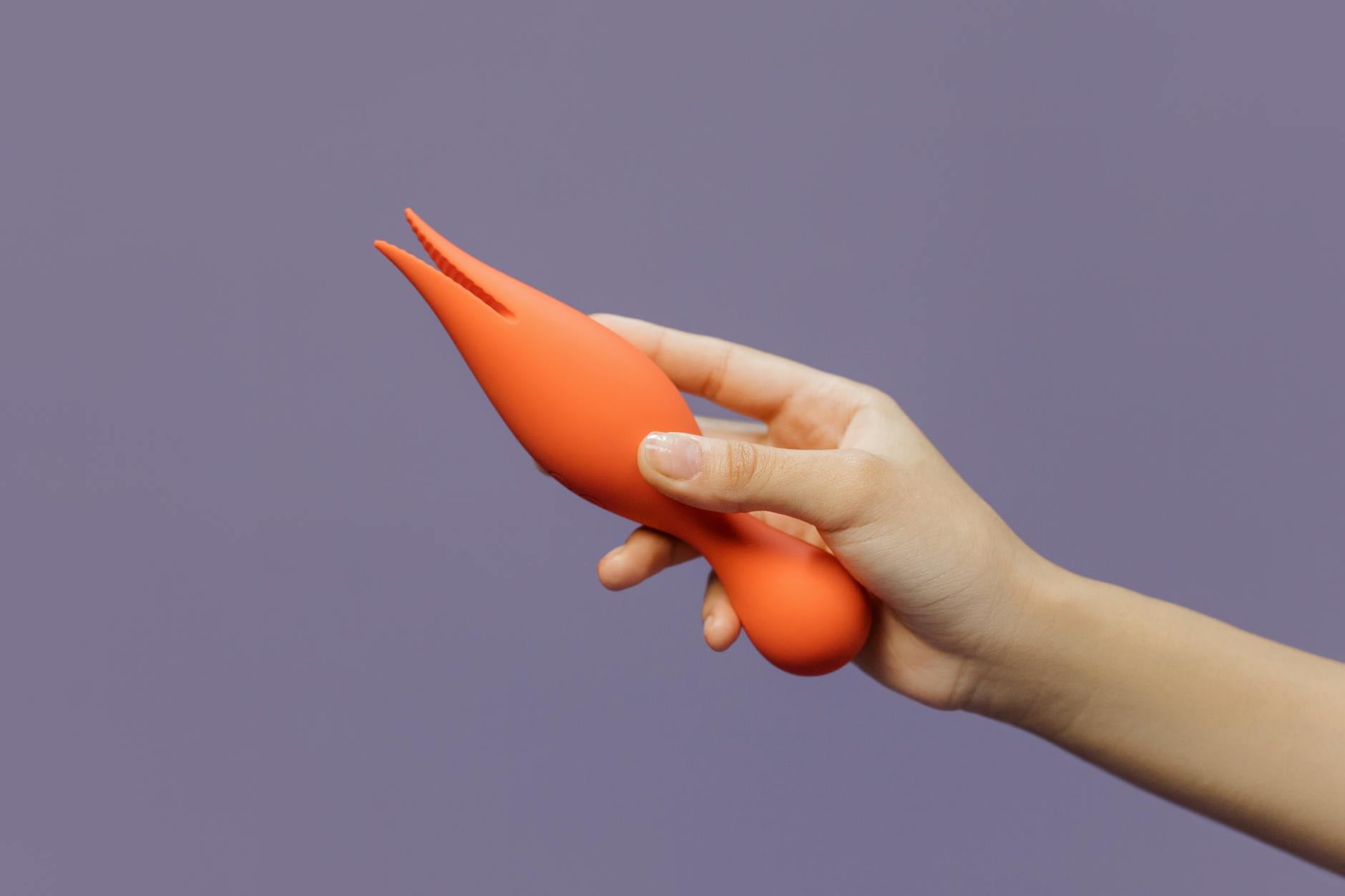
Lem vibrators and other lemon adult toys work through air-pulse suction rather than traditional vibration. This matters for timing because suction patterns let you build intensity gradually, hold it, or plateau for as long as you need. You're not locked into a rhythm that wasn't designed for your body.
Here's what this unlocks: you can finish first without your partner feeling abandoned. You can take longer without your partner feeling impatient. The device gives you independence within the shared experience.
For the partner who climaxes faster, a lemon vibrator becomes a way to extend pleasure instead of rushing. You can start with it, build to a plateau, then bring your partner in without losing arousal.
For the partner who needs more time, the focused suction lets you build without distraction. You're not watching the clock or monitoring your partner's readiness. You're just responding to what feels right.
The practical setup that actually works
Let's ground this in real sex, not theory.
Start separately, then converge. If one of you typically finishes fast, begin with penetration or foreplay while the other uses a lemon clitoral vibrator solo. This isn't "you go first." It's "you get a five-minute head start," which removes the pressure of staying synchronized from the start.
The faster partner gets to reach plateau without rushing. The slower partner gets focused stimulation without the mental load of keeping up with penetration timing. Two minutes in, you're both in a groove.
Use it during penetration. This is the most straightforward application. Whoever is receiving penetration holds the lemon vibrator to their clitoris while their partner is inside. Now you've got two sources of stimulation on two different timelines. The receiving partner can adjust intensity independently.
The magic here is that penetration and clitoral stimulation activate different nerve pathways. You can keep going without the pressure that one person finishes and the other has to stop.
Build a rhythm together, but with flexibility. Some couples use the vibrator for the first five minutes to sync arousal, then switch to manual stimulation so they can read each other's body language. Others keep it going the whole time. The point is you're choosing intensity and speed together, not being locked into whoever's fastest.
Managing the pressure (the real barrier)
Here's what stops most couples from actually solving this: shame around the time difference itself.
One partner feels broken for taking thirty minutes. The other feels selfish for taking five. You're both wrong, and that story is the actual problem.
When you bring a tool like a lemon vibrator into the conversation, you're reframing this from "what's wrong with us?" to "here's what works for both of us." The device becomes neutral infrastructure, not proof of dysfunction.
I've seen couples resist using vibrators during partnered sex because they worry it means their partner doesn't find them attractive anymore. Wrong. It usually means your partner finally gets permission to feel good without the constant background anxiety of "am I taking too long?"
Talk about this before you try it. Say something simple: "I want us both to feel good without the pressure to sync up. Can we try using something together?" Most partners feel massive relief that you named the problem they've been carrying alone.
When timing mismatches point to something else
If one partner has stopped having orgasms entirely, or if orgasms started taking much longer suddenly, that's worth investigating. Medication changes, hormone shifts, relationship tension, and medical conditions all affect this.
A lemon vibrator can help, but it's not a substitute for seeing a doctor if something genuinely changed. Same if someone's arousal has flatlined. Reduced sensation and extended orgasm timelines are different problems, even though they can look similar.
The longer conversation
Different orgasm timelines are often a symptom of deeper desynchronization in a relationship. You're busy with kids, work pulls you in different directions, you haven't had uninterrupted time together in months.
When pleasure timelines start drifting, it's worth asking whether your whole connection is drifting too. Sometimes a lemon clitoral vibrator genuinely fixes the immediate problem. Sometimes it buys you breathing room to talk about what's actually happening in your relationship.
Both are valuable. Just know which one you're doing.
FAQ: Mismatched Orgasm Speed
How do I stop feeling guilty that I finish so fast?
Your body isn't a character flaw. Some people climax quickly. Some take longer. Neither is better or worse. The guilt usually comes from thinking you're failing your partner, but your partner's finish line isn't your responsibility. Once you both have tools (like a lemon vibrator) that let you pursue pleasure independently, that guilt often dissolves because you're not locked into making someone else's timeline work.
Can we use a lemon vibrator if one of us is lactose intolerant or has fruit allergies?
Lemon vibrators are silicone or plastic sex toys shaped like lemons. They don't contain actual lemon or citric acid. They're completely safe for everyone. The name is just branding. If you have a latex allergy, make sure you're buying silicone toys, but lemon clitoral vibrators from Nancy Lemons are silicone, so you're fine.
Does using a vibrator mean my partner doesn't find me attractive?
No. Research actually shows the opposite. Couples who use vibrators during partnered sex report higher satisfaction and connection, not less. The vibrator isn't competing with you. It's solving a timing problem that was creating tension. Most partners feel relieved that their significant other finally gets to feel genuinely good without performance pressure.
What if my partner is jealous of the vibrator?
This usually isn't about the vibrator itself. It's about feeling like your partner wants something you can't provide. That's worth naming directly. Try: "I'm not replacing you. I'm solving a problem we both have. When I feel less pressure to climax on your timeline, I actually relax and enjoy you more." Sometimes that conversation alone changes everything. Sometimes you need to go slow introducing it. Both are fine.
How do we talk about this without sounding like we're broken?
You're not broken. You're optimizing. Say something like: "I've noticed we sometimes feel pressure about timing. I don't want that hanging over us. I found a tool that might help us both finish without the rush. Want to try it?" That's it. No diagnosis language, no shame, just a solution. Most partners find it relieving.
Can a lemon vibrator help if only one of us can finish during partnered sex?
Yes, absolutely. If one person rarely or never orgasms with a partner inside or nearby, a lemon clitoral vibrator often shifts that. It gives whoever is receiving penetration direct clitoral input, which many bodies need to climax during partnered sex. This is so common it's the default, not the exception.
You're not broken, you're just different
Orgasm timelines are one of those things couples whisper about in therapy because they think it means something's wrong. It almost never does. You're just two people with two different neuros. Add the right tool, and suddenly both of you get to feel good without the performance weight.
A lemon vibrator isn't about fixing your partner or yourself. It's about designing sex that works for both of you instead of demanding that both of you work for sex. That shift alone changes how couples experience each other.
Ready to try this without the pressure? Start here. Talk first. Use the vibrator second. Both of you deserve to come the way your bodies want to, not the way the pressure says you should.