Let's be real about stress and your sex drive
Major life stress—a job crisis, family emergency, grief, health scare, financial pressure—doesn't just make you tired. It rewires your nervous system. Your body goes into protection mode, which means your brain literally deprioritizes pleasure. Not because you're broken. Because you're human.
Here's the thing nobody tells you: restarting physical intimacy after a stress shutdown is its own skill. It's not about willpower or rekindling romance. It's about meeting your body where it actually is, without judgment or pressure.
What stress actually does to your body
When you're under sustained stress, your cortisol stays elevated. That elevated cortisol suppresses both testosterone and dopamine—the exact neurochemicals that drive desire. Your parasympathetic nervous system (the "rest and digest" branch) goes offline. You're stuck in sympathetic activation (fight, flight, freeze), which makes pleasure feel impossible, not just unlikely.
This isn't a character flaw. This is physiology. Your body protected you during the crisis. Now it needs a signal that it's safe to want things again.
The second layer: after weeks or months of no sexual activity, your tissues actually change. Blood flow decreases. Sensitivity can feel muted. Arousal takes longer to build. For people with vulvas, this can feel like numbness or disconnection. For people with penises, it might mean difficulty maintaining erection or delayed ejaculation. Again, not permanent. But real, and worth understanding.
Why lemon vibrators work when you're restarting
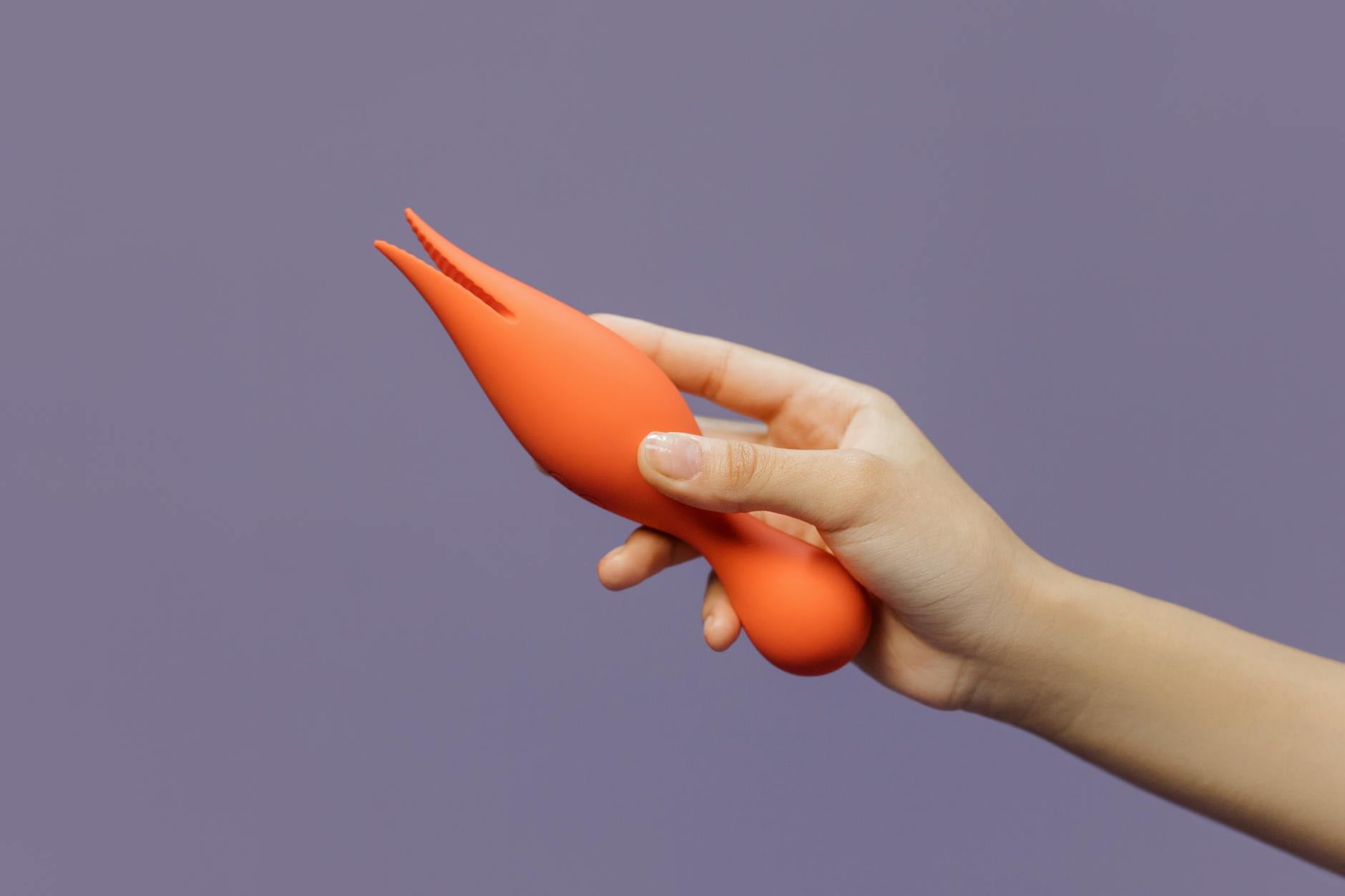
Lemon sexual toys—specifically clitoral vibrators like the Lemon—work for post-stress restart because they bypass the usual pressure points. Here's why:
They're entirely external. No penetration needed. No performance expectation. You can explore pleasure without the cognitive load of "is this working" or partner anxiety.
They deliver consistent, predictable stimulation. When your nervous system is still recovering, unpredictability feels like a threat. A vibrator's rhythm is constant. Your brain can relax into it.
They don't require arousal to work. With hands or partners, you often need to be already turned on to feel much. A lemon clitoral vibrator delivers direct stimulation whether you feel aroused or not. That stimulation often triggers arousal in return—it works bottom-up instead of top-down.
They're emotionally neutral. Using a toy solo removes the witnessing. There's no one to perform for, no one to worry about disappointing. Just you and sensation, building tolerance for pleasure again.
This is why so many of my clients report that lemon vibrators become their gateway back to desire. They're not romantic. They're practical. And sometimes practical is exactly what a stressed nervous system needs.
How to actually restart with a lemon clitoral vibrator
Start with solo exploration, not partnered sex. I cannot stress this enough. Don't go straight from stress shutdown to "let's try it together." That adds pressure. Solo gives you permission to fail, to feel nothing, to take fifteen minutes and quit. All of that is fine.
Set a time, but keep it short. Not because longer is wrong, but because a stressed nervous system benefits from structure. Try 10-15 minutes. No goal except to sit with sensation. If you feel aroused, great. If you don't, that's also data.
Use lube, even if you don't think you need it. Post-stress bodies often run drier. Water-based lubricant makes sensation feel better and removes friction that can feel uncomfortable. You're not fixing a problem—you're removing obstacles.
Start at pattern one. Most lemon vibrators have multiple rhythms. Begin at the gentlest setting. Let your nervous system adjust to the sensation. You can turn it up. You can also keep it there. Both are fine.
Sit with arousal slowly building. Stress kills your ability to feel subtle sensation. As you spend time with the vibrator, you might notice your body responding before your brain catches up. Increased heart rate. Slight warmth. Pelvic floor engagement. Don't push for orgasm. Just notice what's there.
The conversation with your partner during restart
If you have a partner, they need to understand what's happening. Not from guilt, but from practicality. A stressed nervous system can't simultaneously:
- Manage your own re-entry into pleasure
- Manage your partner's feelings about being sidelined
- Manage performance expectations
That's three cognitive loads. Pick one.
I recommend this frame: "My nervous system needs to rebuild pleasure on its own for a few weeks. This isn't about us. It's about me resetting. Then we rebuild together." Clear, bounded, includes a timeline for reconnection.
Many partners actually find it a relief. They were worried they were the problem. Learning it's a systemic reset—not a relationship issue—reframes everything.
When to bring a partner back in
Once you've spent 2-3 weeks with solo exploration and lemon sexual toys, you'll notice shifts. Arousal comes faster. Sensation feels sharper. Orgasms might return, or feel different. All normal.
At that point, you can introduce partner touch alongside your own pleasure. Try: you use the vibrator while they use hands elsewhere. Or: they use the vibrator on you while you guide. The lemon clitoral vibrator actually works beautifully in partner scenarios because it removes the "am I doing this right" question. The vibrator does the heavy lifting. Your partner does the presence.
Read more about how to use lemon vibrators when rebuilding physical connection with a long-term partner for specific partnered strategies.
Red flags: when to pause and seek help
If you're exploring with a lemon vibrator and you feel pain—sharp, burning, or stabbing—stop. Post-stress bodies sometimes develop inflammation. A gynecologist or pelvic floor therapist can rule out tension or infection.
If you're six weeks into solo exploration and feel zero sensation shift, that's worth mentioning to your doctor. Extended stress sometimes triggers depression, which has its own neurochemical signature and might need different intervention.
Otherwise, give yourself grace. Your body survived something hard. Pleasure is a privilege it's offering back, but on its own timeline.
FAQ: Restarting intimacy after major stress
How long does it usually take to feel desire again after major stress?
It depends on the stress and your nervous system, but most people notice shifts within 2-4 weeks of consistent solo exploration. Some notice within days. Others take 6-8 weeks. The timeline isn't fixed. What matters is that you're signaling safety to your body through gentle, repeated exposure to pleasure. Lemon vibrators speed this up because they don't require arousal to feel good—they generate sensation independently, which your brain eventually interprets as "okay, it's safe to want this."
Can I use a lemon vibrator if I'm still in the middle of the stressful situation?
Yes, but with a different frame. You're not trying to restart desire. You're giving your body a 15-minute break from stress. That break is its own form of self-care. Don't expect arousal. Just expect relief. As the stress resolves, those sessions will shift toward pleasure.
Is it normal to feel numb or disconnected using a vibrator after stress?
Completely normal. Numbness is one of stress's signature moves. It's your nervous system's way of protecting you from overwhelm. Using a lemon clitoral vibrator consistently actually trains your nervous system to register sensation again. It's like physical therapy for your pleasure centers. The numbness usually lifts as sessions accumulate.
Should I tell my partner I'm using a vibrator to restart, or is that private?
Depends on your relationship culture. If you share most things, transparency builds trust. Something like: "I'm using a vibrator to help my body remember pleasure. It's part of my reset process, not about us." If your relationship keeps some things private, that's also fine. A lemon vibrator is a tool for your own nervous system. You don't owe anyone access to that process.
What if my partner feels rejected because I want solo time with a vibrator instead of partnered sex?
This is real and worth naming. Some partners feel like a vibrator is a replacement. It's not—it's a stepping stone. I usually recommend setting a specific timeline: "For three weeks, I need to do this alone. Then we'll rebuild together, and you'll be part of it." Knowing it's temporary and has an endpoint helps partners feel less abandoned. You might also share articles about stress and libido so they understand the physiology isn't about them.
Can lemon vibrators help if stress has made me feel disconnected from my body entirely?
Yes. In fact, that's where lemon sexual toys often shine. They give your body external input—vibration, stimulation—that your brain has to register. Over time, that repeated registration reconnects you to physical sensation. It's bottom-up healing: sensation first, emotional reconnection second. Expect it to be subtle at first. The rebuilding happens gradually.
Your nervous system will reset
Stress that kills your sex drive is terrifying because it feels permanent. It isn't. Your body was designed to recover. It just needs consistent, gentle signaling that pleasure is safe again. A lemon clitoral vibrator—one of the most effective lemon sexual toys for this exact purpose—gives you that signal without any of the performance pressure that makes restart harder.
Start solo. Keep it short. Use lube. Let sensation build slowly. That's the whole protocol. Your desire will come back. Just not on demand. On its own timeline, with patience and the right tool.
If you need more support navigating this transition, get in touch—we're here to help.