When long-term partners stop touching
Let's be real: after five, ten, twenty years together, physical intimacy often becomes either mechanical or absent. You're sharing a bed, maybe a life, maybe kids, but the actual touch. that quality, intentional contact. it fades. Not because you've stopped loving each other. Not because desire is broken. It fades because routine crowds out curiosity, and comfort can feel like permission to stop trying.
I see this constantly in my practice. Couples describe it as "feeling more like roommates" or "going through the motions." The frustrating part. the part that makes people feel broken. is that the desire to reconnect is there. You want to feel that again. You just don't know how to break the pattern without it feeling awkward, forced, or like you're starting from zero.
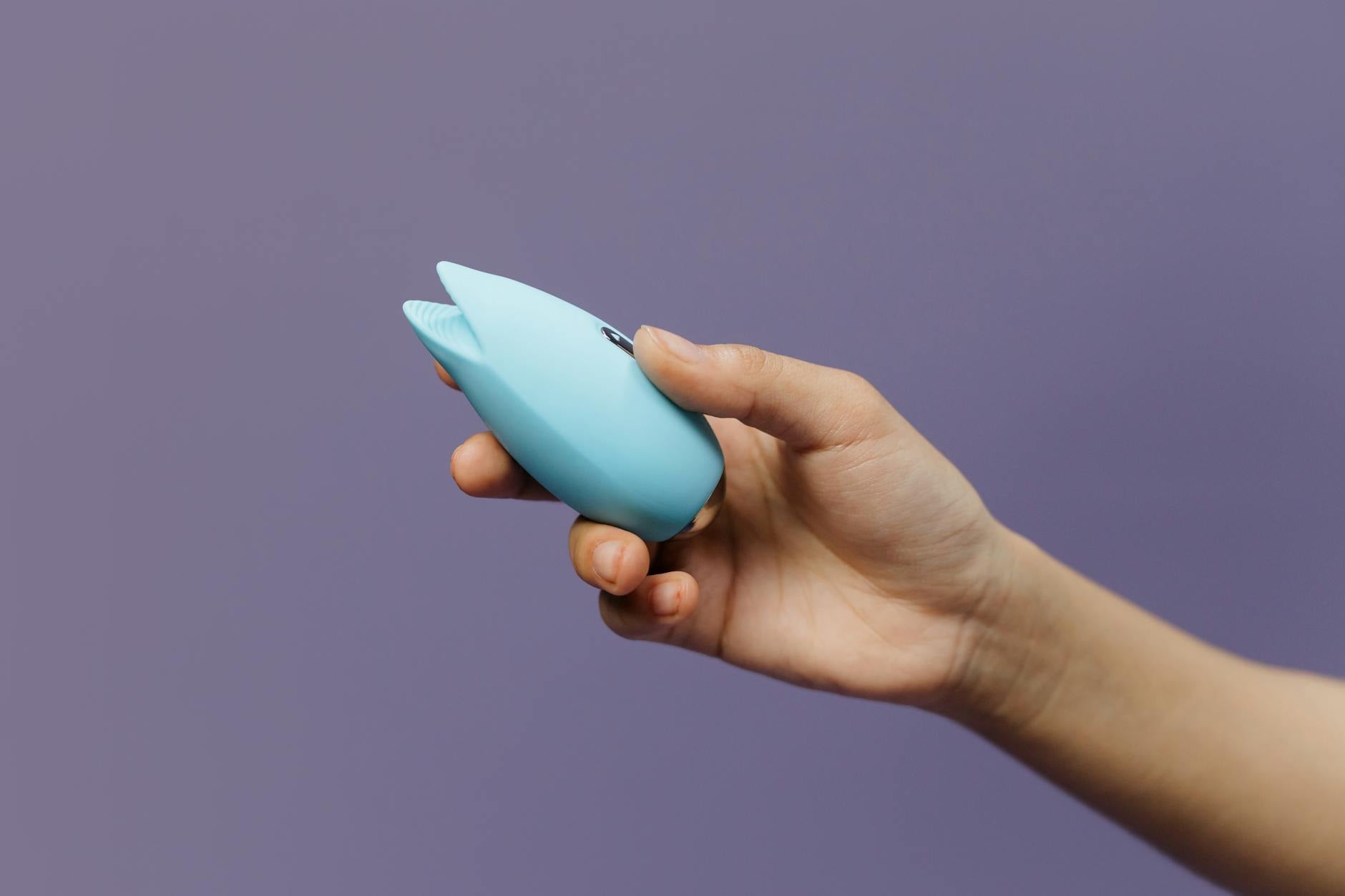
Lemon vibrators change this equation. Not because toys are magic, but because they give you both permission to pause the autopilot and actually show up.
Why long-term couples drift physically
Three things happen simultaneously.
First, novelty drops. You know your partner's body. You know what works. That knowledge is useful, but it also means less exploration, less discovery, fewer surprises. Your brain gets quiet because there's nothing new to process.
Second, life gets loud. Work deadlines, household management, caregiving, stress. The cognitive load of modern life leaves little space for presence. You're physically present but mentally elsewhere.
Third, we stop asking. After enough years, many couples stop communicating about physical connection entirely. There's an assumption that it should "just work" or that wanting something different means there's a problem. So silence wins.
This isn't weakness or relationship failure. It's predictable. And predictable patterns can be interrupted.
How lemon clitoral vibrators reset the dynamic
When you introduce a lemon vibrator into long-term partner sex, several things shift at once.
First, you've introduced an object. That object isn't you. It's neutral. Because of that neutrality, there's less performance pressure. You're not comparing your touch to the toy. You're experiencing something together that neither of you controls entirely. That changes the dynamic from "am I doing this right" to "oh, we're both experiencing this."
Second, it requires conversation. Where do you want to use it. What setting. What does this feel like. By the time you've had that brief exchange, you've already broken the autopilot. You're communicating about pleasure specifically, not avoiding it.
Third, it asks your partner to stay present. If you're using a lemon vibrator on each other, or one of you is using it while the other watches, there's something to attend to. Presence becomes necessary.
The practical path to reintroduction
If you've been together for years without toys, bringing one into the room can feel either thrilling or terrifying. Here's how to do it without awkwardness.
Start outside the bedroom. This is crucial. Mention it when you're cooking, walking, anywhere neutral. "I've been thinking about trying something new. I found this lemon vibrator. Would you be open to exploring that together." You're not initiating sex. You're starting a conversation.
Make it low-pressure. Frame it as curiosity, not a fix. "I want to feel closer to you. I think this might help us both be more present" is different than "our sex life needs this." The first is exploratory. The second feels like criticism.
Let them see it first. Lemon vibrators are designed to be appealing. You can show your partner the device without immediately trying it. Let them hold it. Ask what they think. Removal of mystery reduces anxiety.
Start with solo use, then partner use. Many long-term couples find it's easier if one person tries it alone first, figures out what feels good, then brings their partner in. This way, when you use it together, you're already confident in how it works. No learning curve mid-intimacy.
Creating actual presence during sex
Presence is harder than you'd think. Your mind wanders. You're thinking about tomorrow's meeting or whether the kids are asleep. A lemon vibrator forces presence because there's something novel to attend to.
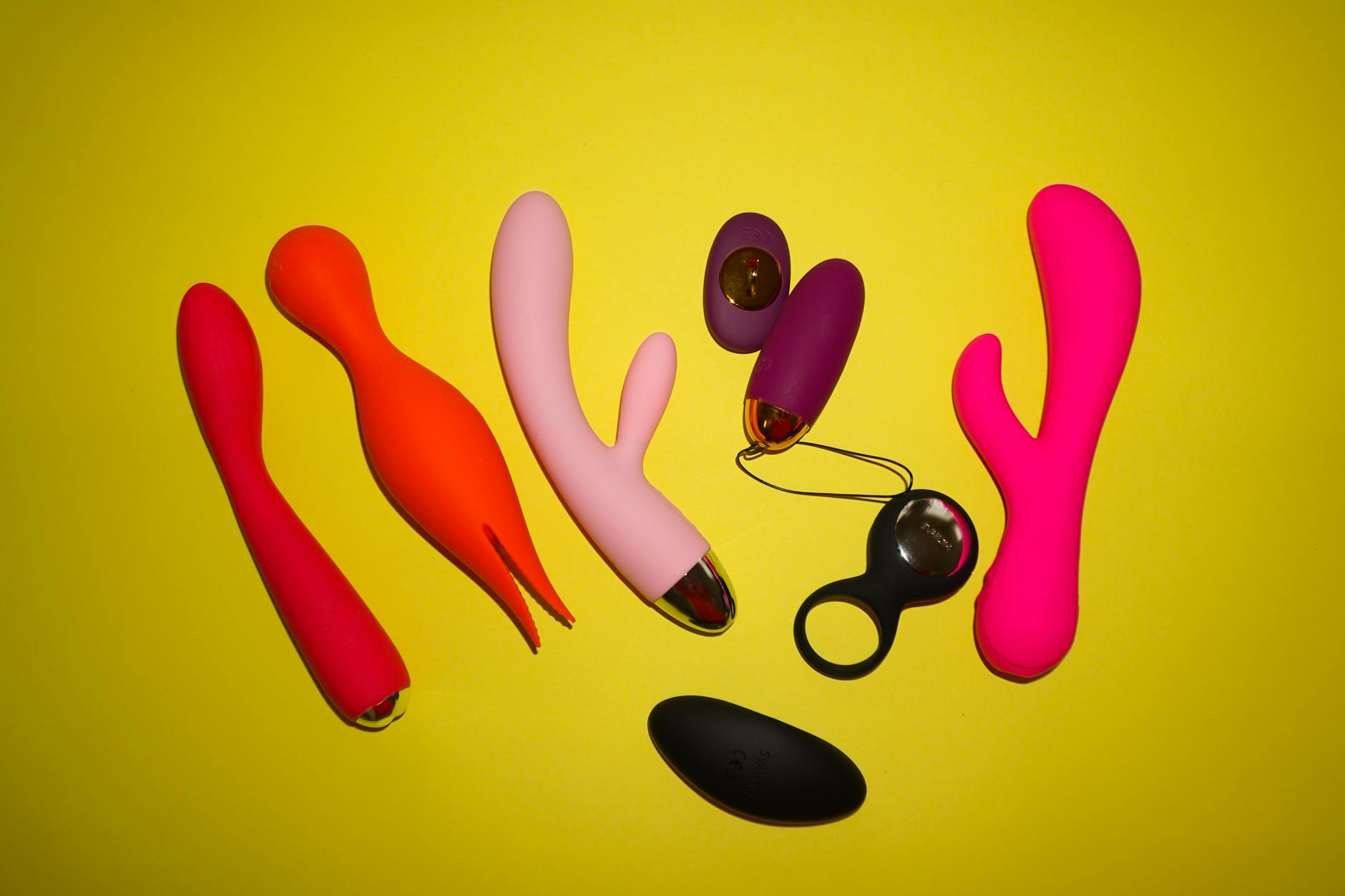
Photo by DRT.fm on Pexels
Slow down. Don't treat the vibrator like a fast-forward button. Use it at low speeds. Notice how it feels on different areas. Talk about the sensations. "This feels amazing here" or "move it slightly left" isn't just practical. It's intimacy.
Watch each other. This is the detail most couples skip. If you're using a lemon vibrator on your partner, actually look at their face. Watch what makes them respond. If they're using it on you, let them see you respond. That feedback loop is where reconnection happens.
Set time aside. Not "let's have sex this weekend." That works, sure. But also try "let's spend 20 minutes this Tuesday just exploring." Short, specific blocks of time remove the pressure to perform or reach a specific outcome. Some of the best reconnection happens when there's zero expectation of penetration or orgasm.
When your partner is hesitant
Many long-term partners worry that wanting a toy means you're not attracted to them anymore. This is worth addressing directly.
"This isn't about you not being enough. This is about both of us staying curious. We've been together long enough that we know what works. I want to know what else is possible. I want us both to feel that novelty again."
If they're still hesitant, don't push. Instead, explore what's underneath the hesitation. Sometimes it's insecurity. Sometimes it's a belief that "real" sex shouldn't need tools. Sometimes it's just unfamiliarity.
You might also frame it as something you want for yourself. "I want to experience pleasure in new ways. Would you be willing to be part of that." That reframes the toy from "something to fix us" to "something I'm curious about and want to share with you."
The conversation rhythm that works
After years of not talking about sex specifically, suddenly bringing it up can feel clunky. Here's a rhythm that doesn't:
Tuesday: Casual mention. "I've been reading about lemon vibrators. They're supposed to be really nice for clitoral sensation." No pressure to respond extensively.
Thursday: Softer setup. "I ordered one. No pressure. Whenever we're curious." Let that sit.
Next week: Actual exploration. You've both had time to adjust to the idea. It's less of a shock.
This pace gives everyone space to get comfortable without the conversation feeling heavy.
FAQ
Can lemon vibrators actually help long-term couples reconnect?
Yes. Not because the toy is magic, but because it creates novelty, requires communication, and forces presence. Any shared exploration can do this. A lemon vibrator is just one tool that works particularly well for clitoral stimulation and solo or partner use.
What if we've never talked about toys before?
Start small. Mention it in a low-stakes way. You don't have to have a formal conversation. Casual curiosity is often less threatening than a planned discussion about improving your sex life.
How do I know if my partner will be receptive?
Pay attention to their openness about sex in general. Do they laugh about it. Do they shut it down. If they're generally open, they're more likely to be game. If they shut down sexual topics entirely, approach slower and with more reassurance.
Should we buy a toy together or should I surprise them?
Together is better. It removes surprise awkwardness and makes it collaborative. But if you're both less comfortable with that conversation, buying one quietly and mentioning it later is fine too.
Do we have to use the lemon vibrator during penetrative sex?
No. Many long-term couples find the best reconnection happens when they're just focusing on clitoral pleasure. Removing the expectation of penetration can actually deepen intimacy.
What if we try it and it feels weird?
It might. Anything new feels weird at first. Try it a few times before deciding it's not for you. Often the weirdness is just unfamiliarity, not actual incompatibility. Give yourself permission to laugh about it and try again.
The real goal here
You're not trying to make sex "better" or "hotter." You're trying to remember what it feels like to be curious about each other. To show up. To pay attention. A lemon vibrator is just the object that makes that possible. It breaks the pattern. It says: we're trying something new together. And that message alone reconnects couples more than any toy ever could.
Start small. Start with conversation. Start with permission. The physical reconnection will follow.
If you're working through bigger relationship questions or feel truly stuck, consider reaching out. Sometimes couples need space to talk through what's really underneath the physical distance. But if it's just been a while and you both want to feel close again, you already have everything you need.