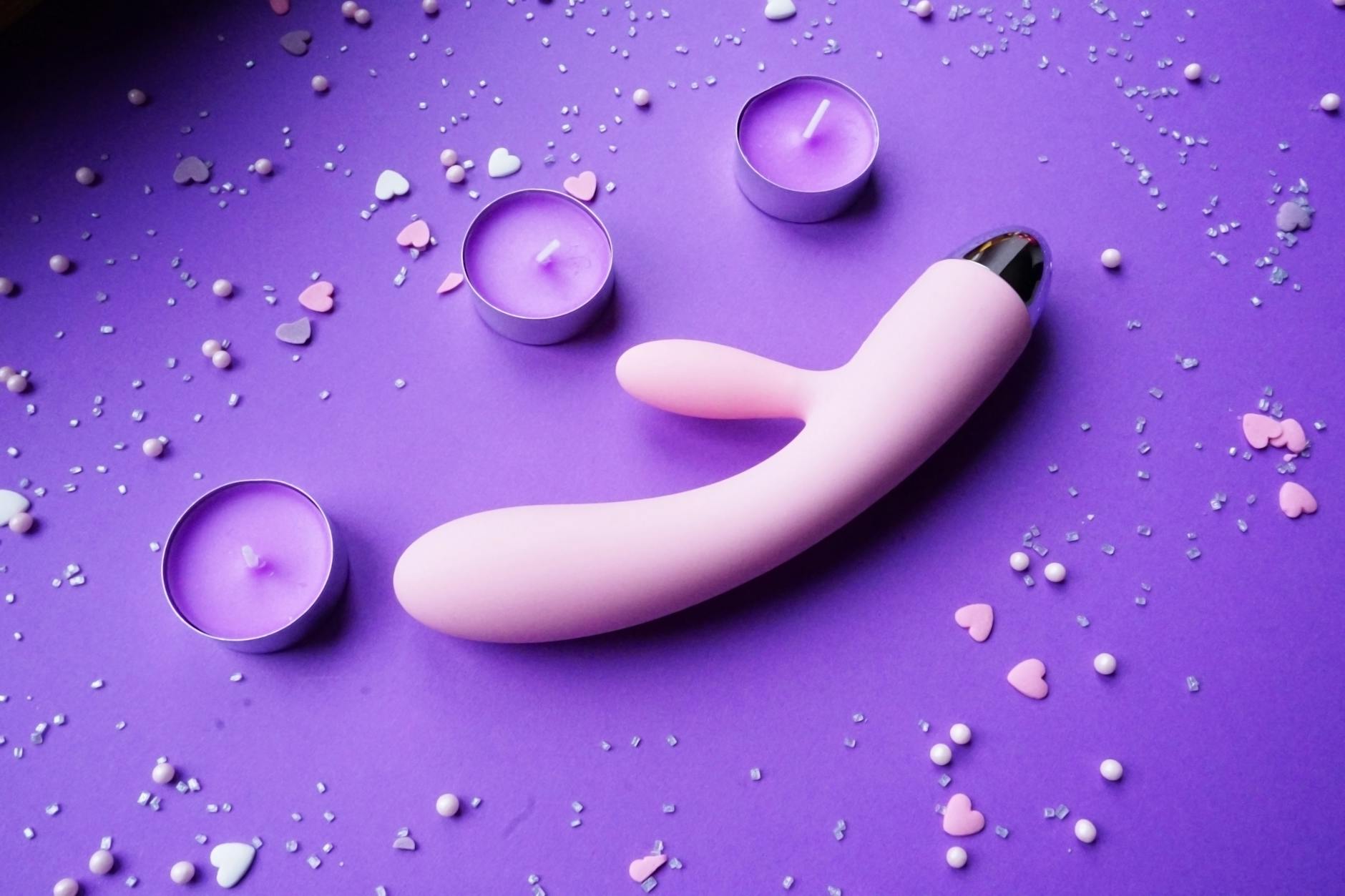
The numbness nobody talks about
You used to feel everything. Then something shifted. Now touch that once lit you up feels muted, distant, like you're experiencing pleasure through a glove. This is clitoral numbness, and it's more common than you'd think. It's also not permanent.
Clitoral desensitization happens for surprisingly simple reasons. Stress, certain medications, repetitive stimulation from the same source, hormonal shifts, or even just years of the same routine can dull sensation. The good news: your nervous system can relearn pleasure. The better news: lemon vibrators are specifically designed to help.
Why clitoral numbness happens (and it's not what you think)
Your clitoris has 8,000 nerve endings concentrated in a space the size of a pea. That's an absurd density of sensation, but it also means sensitivity is fragile. Here's what flips the switch:
Overstimulation from traditional vibration. Most standard vibrators use rapid, repetitive pulses at a fixed frequency. After months or years of the same pattern, your nerve endings become less responsive to it. You gradually need more intensity, more speed, more pressure to feel the same effect. Eventually, the needle maxes out. This isn't addiction or broken hardware. It's your nervous system adapting to a predictable stimulus.
Stress and cortisol. Chronic stress literally dampens nerve sensitivity. Cortisol suppresses blood flow to the genital area, which means less oxygen, less nutrient delivery, and less sensation. If you've been under sustained stress, your clitoris is effectively asleep.
Hormonal changes. Fluctuations in estrogen and testosterone change tissue thickness and blood flow. Thinner tissue feels less, receives less sensation. Hormonal birth control, perimenopause, or life transitions can all trigger this.
Repetitive technique. If you've trained yourself to orgasm one specific way, and you do it the same way every time, you're essentially teaching your clitoris that other stimulation patterns don't matter. When you switch, nothing lands.
Medication side effects. SSRIs, antipsychotics, and some blood pressure meds directly blunt sensation and sexual response. If numbness started after a new prescription, that's worth a conversation with your doctor.
How lemon vibrators are different (and why that matters)
A lemon clitoral vibrator like the Lem doesn't vibrate at all. It uses air-suction pulsing, which is genuinely different from traditional vibration.
Here's the mechanism: instead of a motor creating rapid side-to-side movement, air-suction technology creates rhythmic pressure waves. It pulls gently on tissue rather than buzzing against it. For someone whose clitoris has gone numb from years of standard vibration, this different stimulus pattern is revelatory. Your nerve endings have never trained themselves to this specific input, so they're wide awake to it.
The Lem and similar lemon sucker toys also tend to involve a broader surface area and gentler initial stimulation. You're not attacking a sensitized spot with industrial-strength intensity. You're building sensation gradually, from the outside in.
There's also a pacing element. Because air-suction technology feels different and less aggressive, you're less likely to fall into autopilot. You'll stay present, which alone changes the neurological experience.
The exact technique for rebuilding sensation
Sensation recovery isn't about pushing harder. It's about varying sensation enough that your nervous system wakes up.
Week one: introduction without expectation. Use your Lem at pattern one (the gentlest setting) for 5-10 minutes, three times a week. Don't aim for orgasm. The goal is exposure and novelty. Your clitoris is literally re-learning how to receive this type of stimulation. If it feels nice, great. If it feels like nothing, that's also fine. You're rewiring, not performing.
Week two: varied timing. Same pattern one, but now use it for 15 minutes one day, 8 minutes another, 20 minutes on the third session. Variability is key. If your nervous system learns "she's going to vibrate for exactly 12 minutes every time," it tunes out. Unpredictability keeps sensation alive.
Week three: pattern mixing. Stick with lower patterns (1-3) and cycle between them. Spend 3 minutes on pattern 1, switch to pattern 2 for 2 minutes, back to pattern 1. This constant novelty forces your nerve endings to stay active. You're not chasing a specific sensation anymore. You're exploring what's actually available.
Week four and beyond: intention building. Now you can introduce higher patterns, but still with variation. Use pattern 3 for 4 minutes, then pattern 1 for a stretch. Stop and rest. Use your hand. Return to the lemon vibrator. The key is that nothing becomes routine.
The partner conversation (if that applies)
If you're working with a partner, explain what's happening so they don't interpret it as "you're not attracted to me." Clitoral numbness has zero to do with desire or emotional connection. It's a sensation pathway issue, not a relationship issue.
If your partner has been providing stimulation that contributed to the numbness, that's worth a gentle conversation. You might ask them to explore different techniques, different speeds, different areas. The variety resets the system for both of you.
Many couples find that introducing a new tool like a lemon clitoral vibrator actually deepens things. You're not replacing partner intimacy. You're adding a stimulus pattern that wakes up sensation they can then feel during partner sex. Read more in our guide on how to introduce lemon vibrators to a new partner without shame.
When medication is the culprit
If clitoral numbness started immediately after beginning an SSRI or other medication, that's critical information for your doctor. Options exist: dose adjustment, timing changes (taking it after sex rather than before), switching to a different class entirely, or adding a medication to counteract the sexual side effect.
Don't just accept it as the cost of treatment. Most psychiatrists can work with you to find a solution that maintains both your mental health and your pleasure. If yours won't engage, that's a sign to find a different prescriber.
For more on navigating this specific intersection, see our piece on how to use lemon vibrators with antidepressants and SSRIs.
The stress reset that actually works
If stress triggered your numbness, a lemon vibrator alone won't fix it. You need parallel action on the nervous system level.
Before using your Lem, spend 10 minutes doing something that genuinely calms your system: a bath, a walk, focused breathing, a conversation with someone you trust. Not meditation app nonsense. Something that lands.
Your parasympathetic nervous system needs to be online before sensation can return. Stress locks everything down. Relaxation unlocks it. Use the lemon vibrator as a reward at the end of a calm ritual, not as a tool to force sensation out of a tense body.
Patience as part of the process
Sensation recovery isn't linear. Some sessions will feel incredible. Others will feel like almost nothing. That's normal. Your nervous system is remapping itself, and that takes time. Two to four weeks is typical before meaningful change. Six weeks is more realistic for deep restoration.
The moment you stop chasing the sensation, that's usually when it shows up. Counterintuitive? Yes. How pleasure works? Also yes.
Frequently asked questions
How long does it take to recover clitoral sensation with a lemon vibrator?
Most people notice shifts within 2-4 weeks of consistent use (3-4 times weekly). Deeper restoration takes 6-8 weeks. Patience matters more than intensity. You're retraining nerve pathways, not forcing them.
Can I use my lemon vibrator every single day while recovering sensation?
Not recommended. Daily use can become routine, which is the opposite of what your nervous system needs. Three to four times per week with variation is ideal. You want novelty and rest periods that keep things alive.
Does lemon suction technology work for everyone with numbness?
Most people respond beautifully to it because it's neurologically different from standard vibration. But sensation is personal. If you've been numb for years, recovery might require patience and might involve working with a therapist alongside toy exploration.
What if I use my lemon clitoral vibrator and still feel nothing?
First: confirm you're using pattern one for long enough (10-15 minutes, multiple times). Second: check stress and sleep. An exhausted, stressed nervous system won't feel much. Third: consider medication side effects. If numbness started with a new prescription, that's the conversation to have with your prescriber, not something the best toy can override.
Can I use lube with my Lem to increase sensation?
Absolutely. Water-based lube doesn't interfere with air-suction technology and can help the device glide comfortably. It also increases blood flow to the area, which supports sensation recovery.
Should I tell my partner about my clitoral numbness?
That depends on your relationship and comfort. If you're having partnered sex, honesty helps. Numbness isn't about them. It's about your nervous system. Many partners feel relieved to understand what's happening instead of internalizing it as rejection.
The work is worth it
Clitoral numbness feels like your body has betrayed you. It hasn't. You've simply adapted to a stimulus pattern so thoroughly that other sensation faded into the background. That adaptation is reversible. Your clitoris still has 8,000 nerve endings, waiting for something new to light them up. A lemon vibrator can be that something. Use it wisely, vary your approach, and your sensation can come roaring back.
If numbness is tied to deeper relationship disconnection or emotional numbness in other areas of your life, pairing this physical work with conversations about intimacy and connection amplifies everything. A therapist who specializes in relationship sexuality can help you explore the emotional layer while you're rebuilding the physical one.
Your pleasure matters. It's worth the work. Start small, stay varied, and trust your nervous system to remember what you thought was lost.