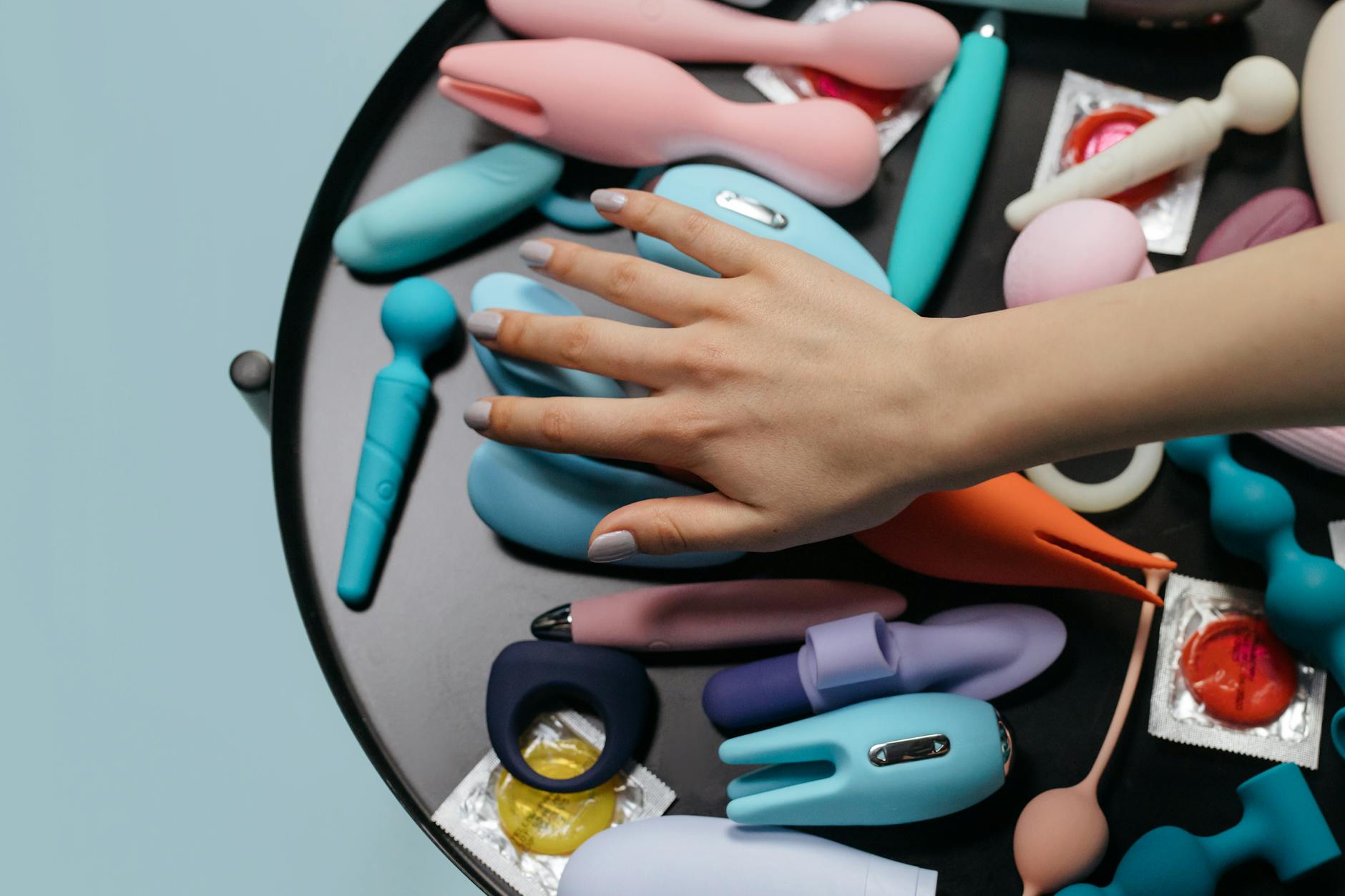
Let's be real about why you're nervous
You want to bring lemon vibrators or other clitoral vibrators into your intimate life, but the thought of actually saying it out loud to your partner makes your stomach flip. You're worried they'll think you're not satisfied, or that you're criticizing them, or that they'll feel replaced by a toy. None of those things are true, but the fear is real.
Here's what I know from twenty years of working with couples: this conversation is almost always easier than you think it will be. Most partners are actually relieved when someone brings it up first, because they've been wondering too.
Why the shame exists (and why it's not your fault)
We grow up being told that good sex is supposed to happen "naturally" between two people who love each other. The implication is that needing anything beyond a partner's body means something is wrong with you or the relationship. It's nonsense, but it's deeply embedded messaging.
Lemon vibrators, air suction toys, and other sexual devices aren't a sign of failure. They're tools. You wouldn't feel ashamed using a vibrating back massager for neck tension, and this isn't fundamentally different. Your body has specific nerve clusters and response patterns. A lemon clitoral vibrator can access those in ways that fingers or penetration alone simply cannot.
That's not a problem to hide. That's information your partner would probably want to know.
Timing: when to have this conversation
Don't do it mid-sex. Don't do it when you're tired or stressed. Don't do it over text message or when they're leaving for work.
Do it when you're both relaxed, clothed, and have 20 minutes with zero distractions. Maybe Sunday morning after coffee. Maybe while you're cooking dinner together. The point is that this shouldn't feel like an intervention. It should feel like sharing something you're interested in exploring together.
If you're early in a relationship (first few months), it's fine to wait until you've built some comfort and you're already having a reasonably good sexual rhythm. You want them to know you're attracted to them and enjoy sex with them before you introduce a new element. If you've been together longer, there's no time like now.
The opening: how to actually start
Here are three scripts you can adapt to your style.
The curious opener: "I've been reading about clitoral vibrators and air suction toys, and I'm really intrigued by trying one. Would you be open to exploring that together?"
The direct share: "I've been thinking about bringing a lemon vibrator or something similar into our sex life. I'm curious what you think about that."
The collaborative version: "I want to find more ways to have fun together sexually. I think trying a clitoral vibrator might be really hot. What do you think?"
Pick whichever one feels closest to how you actually talk. The key is that you're being honest, you're not apologizing, and you're framing it as something you want to do together rather than something you need to do alone.
What to say when they ask questions
They will probably ask "Why?" or "Are you not satisfied?" or "Do you think I'm not enough?"
Here's what to say:
"This isn't about you not being enough. It's about my body's response. I've learned that I really enjoy clitoral stimulation that's more intense or in a specific pattern than what's easy to do with hands or penetration. That doesn't mean I don't enjoy sex with you. It means I want to enhance what we already have."
If they push back with "Well, I can do that," your answer is: "Maybe, and I'd love if we explored this together. But some of the sensations that really work for my body are easier with a tool designed specifically for that. It's like how a back massager works differently than a hand massage."
If they seem uncomfortable, don't rush. You can say: "I get it if this is new territory. I was nervous about bringing it up too. We don't have to decide anything right now. I just wanted you to know I was thinking about it."
Then drop it. Give them space to sit with it. Many people need 24-48 hours to process new ideas.
The research conversation
Once they're open to the idea, make this a collaborative decision. You could watch reviews together, scroll through the Hello Nancy product line, or read articles about lemon vibrators and how they compare to other clitoral vibrators. This serves two purposes: it educates both of you, and it makes it feel like something you're choosing as a team rather than something you're imposing.
If your partner is visual, showing them what you're interested in (a Lem, a Berri, another favorite toy) makes it much less abstract and scary. There's something about seeing the actual product that makes it feel real and less threatening.
How to frame it as exciting (not as correction)
The language matters here. Don't say "I need something different." Say "I want to try something new." Don't frame it as "You can't make me come." Frame it as "I want to discover what else feels amazing." These aren't lies. They're accurate reframings that lead to very different conversations.
Your partner should feel invited, not accused. You can even be playful about it. "I found this thing called the Lem and I think we should run an experiment" lands differently than "I need a toy to get off."
If they're still hesitant
Some partners genuinely do struggle with the idea of toys. They might worry it means you'll prefer it to sex with them, or they might have their own shame around sexuality. You can't logic someone out of a feeling, but you can work with a couples therapist who specializes in sexual communication. One or two sessions can completely shift the dynamic.
In the meantime, you have every right to use a vibrator on your own. That conversation is separate from introducing it to partnered sex. Your pleasure and your body belong to you, regardless of whether your partner is ready to participate.
The first time: what actually happens
Don't make it a production. Introduce it the same way you would introduce a new position or a slightly different touch. Use it during foreplay, or let them use it on you, or use it together. There's no perfect way. There's just the way that feels right for both of you in the moment.
Many couples find that the first time is less intimidating than they expected. The toy is just there doing its thing. It's not a threat. It's not replacing anyone. It's just adding sensation to something you were already enjoying together.
After the conversation: what might change
Some partners surprise you by being excited. Some need a few experiences to get comfortable. Some take it as permission to bring up things they've been curious about too. The conversation you're dreading might actually open doors you didn't expect.
One of the things I've noticed in my practice is that couples who can talk openly about toys and lemon vibrators or other clitoral vibrators tend to be more communicative about pleasure in general. You set a precedent that it's okay to say what you actually want, not what you think you're supposed to want.
That's valuable for way more than just sex.
FAQ
What if my partner thinks I'm bringing this up because I'm not attracted to them anymore?
This is the core fear, and it's worth addressing directly. You can say something like: "I'm bringing this up because I'm attracted to you and I want our sex life to feel even better for both of us. This isn't about my feelings for you changing. It's about exploring what we both enjoy." Remind them that you chose to share this with them, not keep it secret. That choice matters.
Is it weird to use a lemon vibrator the first time with a new partner?
Not weird at all. It's actually often easier to introduce a toy earlier in a relationship before patterns get entrenched. Just frame it as something you're curious about and want to try together. You're both still getting to know each other's bodies anyway.
What if they want to watch me use a clitoral vibrator on myself first?
That's actually pretty common and not a bad idea. It takes the pressure off both of you and helps them see that you're not trying to replace them. You're just exploring what works for your body. If you're comfortable with it, this can be a really hot experience for both of you.
Should I buy the vibrator before talking to them, or after?
After is usually smarter. You're inviting them into the decision, which makes them feel like a partner in this rather than an audience to it. If you've already bought it, that's fine too, but leading with "I want to choose one together" feels more collaborative.
How do I use a lemon vibrator with my partner without it feeling transactional?
Integrate it into foreplay and sex the way you would any other touch. Use it on yourself while they're inside you. Let them use it on you. There's nothing transactional about it if you're being playful and present. The toy is just part of what you're doing together, not a separate thing.
What if they get jealous of the toy?
Jealousy usually comes from feeling replaced or inadequate. The remedy is reassurance plus action. Remind them of what you love about sex with them. Then make sure your partnered sex life is actually robust and satisfying. If the toy becomes a substitute for connection rather than an addition to it, that's worth examining. But a little initial jealousy is normal. Give it time.
The real thing
Introducing lemon vibrators or any toy to a new partner is vulnerable. You're essentially saying "Here's something my body really enjoys, and I want to share it with you." That requires trust and clarity. But once you've had this conversation, something shifts. You've told your partner something true about yourself, and the relationship got stronger for it, not weaker.
That's the outcome most people don't expect.
If you're feeling stuck in communication with your partner more broadly, the skills that apply to this conversation apply everywhere. Learning to ask for what you want without shame or apology is a relationship superpower. Start here, and you'll find yourself using it in a hundred other contexts.
You deserve pleasure, and you deserve a partner who wants to help you find it.
Resources
For more on introducing toys to partners, read about how to use lemon vibrators with a partner in ways that feel natural and exciting. If communication in your relationship feels harder than it should, a Gottman Method couples therapist can help build the foundation for these conversations. And if you're curious about how different toys work, our guide on clitoral vibrators breaks down the options.