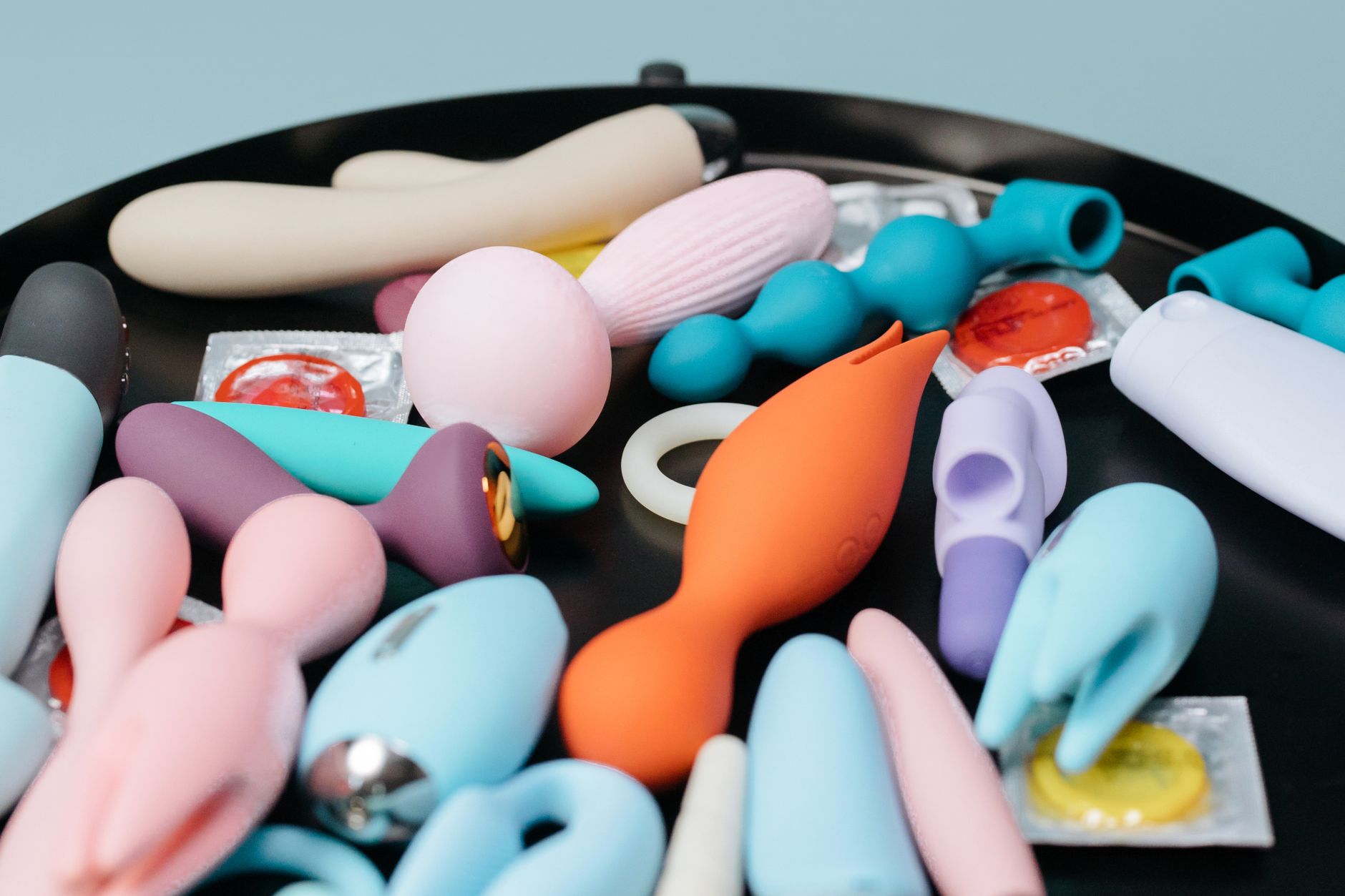
Here's the thing: your skin is telling you something
If you've noticed itching, redness, or a burning sensation after using a vibrator, you're not alone. And no, it's not a sign you should give up on toys altogether. It's a sign that the material itself is the problem. Most mainstream adult toys are made from PVC, rubber compounds, or mystery blends loaded with phthalates and plasticizers that your vulva finds hostile. Your skin isn't broken. The toy is.
Lemon vibrators are different. They're made from medical-grade silicone with zero phthalates, zero latex, and zero synthetic fragrances or dyes. For people with sensitive skin, contact dermatitis, or allergies, this isn't just a preference. It's the difference between pleasure and pain.
What's actually in most sex toys (and why it matters)
Here's the unsexy truth: the adult toy industry has almost no regulation. Unlike medical devices or cosmetics, sex toys aren't required to disclose their materials. Most mainstream vibrators are made from PVC (polyvinyl chloride) or rubber blends that require plasticizers to stay soft and flexible. Those plasticizers? Phthalates. They leach into your skin, can trigger allergic reactions, and create a perfect environment for yeast infections in already-sensitive bodies.
PVC also traps bacteria. Cleaning it only gets the surface; the porous material holds germs inside. Over time, this buildup causes irritation that feels like an allergy but is actually low-grade infection and chemical exposure.
LateX is another common culprit. Even if you don't have a diagnosed latex allergy, prolonged contact with latex can sensitize you over years. Latex also degrades, crumbles, and sheds particles that aggravate delicate tissue.
Then there's the adhesive and dye layer. Cheap toys are painted or coated with industrial adhesives that off-gas irritants. Your vulva is absorbing those fumes with every session.
Why medical-grade silicone changes everything
Medical-grade silicone is nonporous, hypoallergenic, and inert. It doesn't leach chemicals. It doesn't trap bacteria. It cleans completely and stays clean between uses. Your skin doesn't have to mount an immune response every time you use it.
Lemon vibrators use silicone that's body-safe certified and tested. That means it's been evaluated for skin compatibility and passed standards that most toys never even attempt. You're not playing roulette with an unknown material. You know exactly what's touching your vulva.
For anyone with contact dermatitis, eczema on or near the vulva, or a history of reactions to other toys, medical-grade silicone is the only sensible choice. It's not premium. It's baseline.
The difference between "body-safe" marketing and actual safety
Tonns of vibrators slap "body-safe" on the packaging without backing it up. Body-safe, in regulatory terms, has no legal definition. It's marketing speak. Real body safety means: silicone that's medical or pharmaceutical grade, no phthalates, no parabens, no synthetic fragrances, proper documentation of material composition, and third-party testing.
With Lemon vibrators, you get transparency. The material is disclosed. The silicone is certified. If you need documentation for your dermatologist or allergist, it's available. That level of accountability matters when your skin has been reactive.
Common allergies and sensitivities explained
LateX allergies are the most obvious. If you've had a reaction to latex gloves, balloons, or condoms, you'll react to latex toys. Full stop. Lemon vibrators are latex-free, which eliminates that risk entirely.
Phthalate sensitivity is less obvious because there's no quick allergy test. Instead, you get persistent itching, vaginal irritation, or a burning sensation that starts during use and worsens over the next few hours. It feels like a yeast infection but doesn't respond to standard treatment. That's your skin reacting to plastic leaching.
Silicone allergies are extremely rare. True silicone allergies happen in maybe 0.1 percent of people and require significant exposure history. If you've used multiple silicone products without issue, you're almost certainly fine. If you've had reactions to every toy you've tried, silicone isn't your problem. The other stuff is.
Sensitivity to adhesives and dyes shows up as localized redness or contact dermatitis. If the reaction matches the exact shape of the toy, or if it only happens where painted or colored areas touch your skin, adhesives are your culprit. Medical-grade silicone toys have no adhesive layer and no dyes baked into the material.
How to know if it's the material and not something else
Three test questions. First: does the reaction happen with every toy, or just specific ones? If it's specific toys, the material is the problem. If it's every toy, consider lube, technique, frequency, or underlying infections.
Second: does the reaction go away if you stop using toys for a week? Material reactions do. If the irritation persists, something else is inflaming your skin.
Third: have you ever had a reaction to a product you know is medical-grade silicone? If no, then silicone is likely fine for you, and your reactions are due to whatever else was in those other toys.
If you're not sure, start with a single session using a medical-grade silicone toy like a Lemon vibrator. Use water-based lube, keep the session short, and monitor your skin over the next 24 hours. No itching, no redness, no burning? Your body has answered the question.
The practical differences you'll feel
Medical-grade silicone feels different. It's smoother, warmer, and more responsive to your body temperature. It doesn't smell chemical or rubbery. It holds its shape and doesn't degrade over time. After 200 uses, it feels the same as day one.
Cleaning is easier. Water and soap work perfectly. You can throw it in boiling water without worrying about the material warping or off-gassing toxins. You can use any lube you want. Silicone is compatible with water-based and oil-based lubes without degradation.
The most underrated difference: confidence. You stop wondering if this toy is making you worse. You're not managing a low-level allergic reaction while trying to enjoy yourself. Your brain can actually be present instead of monitoring for pain.
When to bring this up with your dermatologist
If you have persistent vulvovaginal irritation and you're using cheaper toys, mention it to your doctor. They may not think to ask what you're using, so be direct. "I've been using a vibrator, and I'm wondering if the material could be causing this."
A good dermatologist or gynecologist will take that seriously. They might recommend an elimination period (no toys for two weeks) to see if symptoms resolve. If they do, the material was the culprit. Then you know you need medical-grade silicone going forward.
If you need to disclose materials for allergy testing, Hello Nancy can provide material certifications. Your health matters more than any embarrassment, and your doctor has seen this question many times.
The long-term skin benefit
Using a body-safe lemon clitoral vibrator isn't just safer in the moment. Over months and years, your skin stays healthier overall. You're not accumulating chemical exposure. You're not building up sensitization. You're not managing chronic low-level inflammation from material off-gassing.
People who switch to medical-grade silicone after years of reactions often report that their baseline skin sensitivity improves. They stop getting mysterious itching or that persistent soreness that they thought was normal. Turns out it wasn't. It was the toy.
Your vulva is worth investing in materials that don't fight back. Medical-grade silicone costs a bit more upfront, but it lasts years longer, cleans better, and actually lets you enjoy yourself without side effects. That's not a premium. That's baseline pleasure without punishment.
People also ask
Can you get an allergic reaction to silicone itself?
True silicone allergies are incredibly rare. If you've used silicone cooking utensils, phone cases, or other silicone products without issues, you're almost certainly not allergic to silicone. Most reactions people think are silicone allergies are actually reactions to the additives, colorants, or adhesives used in cheaper toys. Medical-grade silicone with zero additives rarely triggers reactions. If you do have a documented silicone sensitivity, your dermatologist can recommend alternatives like borosilicate glass toys.
Is phthalate-free enough, or do I need to avoid phthalates AND parabens?
Phthalates and parabens are separate issues. Phthalates are plasticizers used to soften PVC. Parabens are preservatives used in water-based lubes and some toy coatings. If you have sensitive skin, ideally you avoid both. Medical-grade silicone toys don't contain either. For lubes, choose paraben-free, phthalate-free options if you're reactive. Water-based lubes from brands that disclose their ingredients are your safest bet. Check the label or ask the brand directly.
If I've had reactions before, how do I know a medical-grade silicone toy will actually be different?
Start small and slow. Use the toy for just five minutes on the lowest intensity. Apply water-based lube. Stop if you feel any discomfort. Then wait 24 hours and check your skin. No itching, no redness, no burning? You've likely found your answer. If there is a reaction, stop using it and give your skin a week to recover. You might have a true silicone sensitivity (rare), or there might be something else in the toy's manufacturing that doesn't work for you. Contact the brand to ask about materials and certifications. A good company will help troubleshoot.
Can I use any lube with a silicone toy, or are there restrictions?
One important rule: never use silicone-based lube with silicone toys. Silicone lube degrades silicone toys over time. Stick to water-based or oil-based lubes. Water-based lubes are the safest for sensitive skin if you choose paraben-free, phthalate-free options. Oil-based lubes work great too, but they're messier and can stain fabric. Avoid anything with fragrances, numbing agents, or warming effects if your skin is reactive. Simple, clean ingredients are your friend.
Do lemon adult toys hold bacteria if they're porous at the molecular level?
Medical-grade silicone is nonporous. That's the key difference. Porous materials like PVC trap bacteria inside the material structure, where soap and water can't reach. Silicone is smooth at the molecular level. Bacteria can't embed themselves in the surface. Clean with soap and water, and it's genuinely clean. You can also boil silicone toys or use a sex toy cleaner, and bacteria won't survive. This is why medical-grade silicone is considered safer for long-term use and for people with recurrent infections.
What if I develop a reaction to my new silicone toy after using it safely for months?
This is rare but can happen. Sometimes a reaction develops after repeated exposure, or your skin sensitivity changes seasonally. First, give your skin a break for a week. Then, wash the toy thoroughly with hot water and soap and let it air-dry completely. Some reactions happen because of residual lube buildup or dust particles on the toy. Try again after a deep clean. If the reaction comes back, it's possible you've developed a sensitivity, or there's something in the toy's manufacturing that's irritating your skin now. Contact the brand and ask about the exact silicone formulation and any additives. They should be able to help troubleshoot or offer alternatives.
Your skin deserves better
Practically speaking, if you've had reactions to other vibrators, switching to a lemon clitoral vibrator or another certified medical-grade silicone toy is your most direct path to pleasure without punishment. You're not overreacting or being dramatic about materials. Your skin has been trying to tell you something.
Body-safe toys aren't a luxury. They're a baseline for anyone whose skin reacts to standard materials. And if you're ready to try again with something you trust, reach out. We're here to help you find what works.