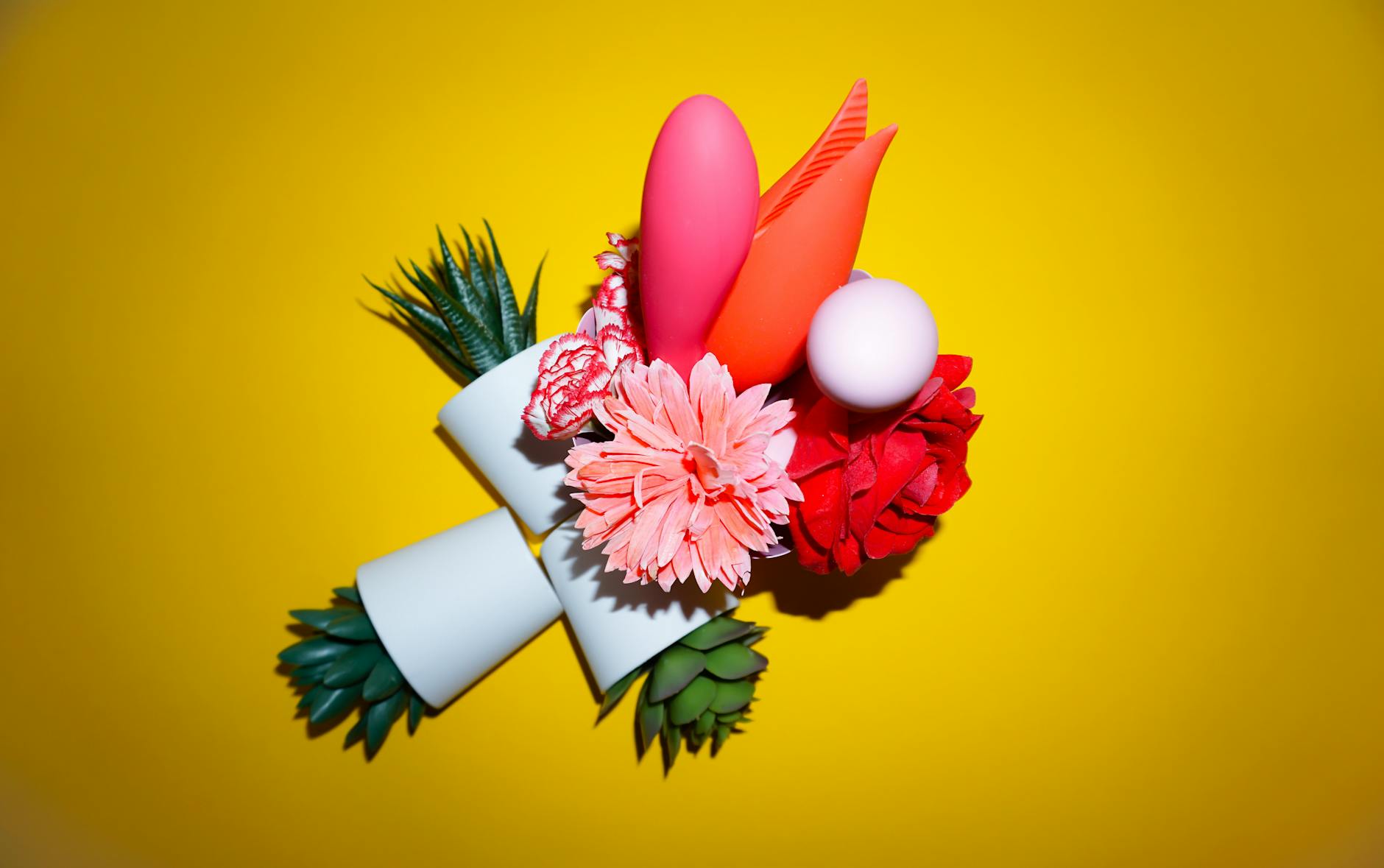
The sensitivity problem nobody talks about
Let's be real: if you have reactive skin down there, most vibrators feel like a chemistry experiment gone wrong. Your vulva is lined with thinner, more permeable skin than the rest of your body. It absorbs whatever touches it. That's why irritation from cheap materials, rough textures, or chemical coatings can happen fast.
Here's the thing that changed for me professionally. Women with eczema, psoriasis, contact dermatitis, or even just reactive vulvas kept telling me the same story: they'd buy a toy, use it once, and spend three days dealing with inflammation or itching. So I started asking harder questions about what they were actually buying.
Material quality turned out to be the single biggest variable.
Why lemon vibrators beat the alternatives
Lemon clitoral vibrators, specifically models like Hello Nancy's Lem, are made from medical-grade silicone. Here's why that matters for sensitive skin:
Non-porous surface. Cheap PVC, rubber, or jelly toys have microscopic pores that trap bacteria and absorb lubricants and bodily fluids. Over time, they become a breeding ground for microbes. Medical-grade silicone is completely non-porous. Nothing lives on it. Nothing soaks in.
No off-gassing. Cheaper materials release chemical compounds, especially when they're warm. Your body heat activates this. With medical-grade silicone, there are no volatile compounds to release. It's inert. It sits on your skin without leeching.
Hypoallergenic by design. Silicone doesn't trigger histamine responses in most people. It won't cause the itching, redness, or swelling that phthalate-laden plastics do. Even people with significant sensitivities usually tolerate it.
The reason lemon vibrators specifically get chosen by people with sensitive skin is the combination: silicone material plus suction-based stimulation, which doesn't require abrasive friction.
The suction advantage for reactive skin
Friction vibration and suction stimulation work completely differently on the skin. When you use a traditional vibrating or rotating toy, there's constant contact and movement against delicate tissue. On sensitive vulvas, this friction can cause micro-tears, irritation, or inflammation, even with lube.
Suction-based clitoral vibrators like the Lem create a gentle seal and work through pulsing air, not physical abrasion. The stimulation happens through the skin's nerve response to suction and release, not through mechanical rubbing.
What does that mean for sensitive skin? Lower inflammation risk. The tissue isn't being repeatedly abraded. The stimulation is gentler, even at higher intensity levels.
People with vulvodynia, dermatitis, or post-treatment sensitivity (after laser procedures, for instance) report significantly better experiences with suction toys than with traditional vibrators.
Material hierarchy for sensitive vulvas
If you're shopping around, here's the ranking from safest to riskiest.
Medical-grade silicone (safest). Non-porous, non-toxic, hypoallergenic. This includes materials like platinum-cure silicone. Clean with mild soap and water or toy cleaner.
Glass or stainless steel (very safe). Non-porous, non-reactive, easy to clean. Glass can feel cold initially, but it warms quickly. Neither material off-gases.
Borosilicate glass (safe). More durable than regular glass. Still completely inert.
Thermoplastic elastomer or silicone blend (moderate risk). Some blended materials are fine; others contain fillers. Check reviews and ask the manufacturer directly whether it's phthalate-free and pore-free.
PVC, jelly rubber, TPE without certification (high risk). These commonly contain phthalates and plasticizers. They're porous. Avoid entirely if you have any sensitivity history.
What intensity setting actually means for your skin
Here's where most people get confused. They think "intensity" is just about how strong the vibration feels. Actually, it's also about how long the tissue is being stimulated per cycle.
Lower intensity settings give your skin longer breaks between pulses. Higher settings reduce those rest periods. On sensitive skin, this matters. A lower intensity setting on a quality toy often provides more satisfying stimulation than a higher setting on a toy that irritates.
The Lem's pattern range (it has multiple pulsing patterns, not just raw power) actually reduces overall irritation because the varying rhythms mean less repetitive stress on the same nerves and tissue.
Lubrication strategy for sensitivity
Yes, you still need lube. But choice matters here too.
Water-based lubricants are safest for sensitive skin because they don't interact chemically with your tissue and they're easily washed away. Hypoallergenic water-based lubes (usually labeled as fragrance-free and without parabens) are your best bet.
Silicone-based lubes last longer and feel richer, but they can trap moisture against the skin if you leave it on too long. If you use a silicone lube, wash thoroughly after.
Avoid warming lubes with menthol or other active ingredients if you're dealing with sensitivity. Stick to plain formulas while you're healing or testing tolerance.
Recovery and skin testing
If you've had irritation before, start slow even with better equipment. Use your new toy for five minutes at the lowest intensity. Wait 24 hours. Check for any redness, itching, or swelling. If your skin is clear, extend to ten minutes next time.
This isn't paranoia. It's how you build a baseline of what your individual vulva tolerates. Everyone's sensitivity threshold is different. Some people have reactions to things that feel completely fine to others.
Keep notes if you're testing multiple toys. Track which patterns, intensities, and durations feel good and which ones cause irritation. You'll develop a clear map of what works for your body.
Cleaning matters more with sensitive skin
Bacteria and residual lubricant sitting on a toy can amplify irritation. Medical-grade silicone toys should be cleaned with mild soap and warm water after every use, or with a dedicated toy cleaner.
If you're prone to yeast infections, extra diligence here prevents reinfection. Dry the toy completely before storing it.
If you use any topical treatments (steroid creams, antifungal, etc.) on or around your vulva, avoid using toys until those have fully absorbed and your skin has settled. Mixing medications with toy materials can create unexpected reactions.
When to see a dermatologist
If irritation persists even with a high-quality medical-grade silicone toy, you might have an underlying condition that needs professional attention. Vulvodynia, lichen sclerosus, dermatitis, or other conditions don't necessarily prevent pleasure, but they do require tailored management.
A dermatologist who specializes in genital skin can run patch tests to identify specific triggers, prescribe treatments if needed, and give you a clearer picture of what your tissue can handle safely.
Your pleasure deserves the right setup. Better material choices, smarter design, and proper testing mean you can actually enjoy yourself without spending the next three days managing inflammation.
People also ask
Can you use a lemon vibrator if you have a yeast infection? No. Wait until the infection clears and your skin has healed. Using any toy while you have an active yeast infection introduces bacteria and can prolong recovery. Once you're clear, a medical-grade silicone toy like a lemon clitoral vibrator is actually safer than many alternatives because it won't harbor the fungi.
Is medical-grade silicone always phthalate-free? Yes. Medical-grade silicone by definition doesn't contain phthalates or harmful plasticizers. The certification exists specifically because those compounds are excluded. If a manufacturer claims medical-grade but won't confirm phthalate-free status, that's a red flag.
What's the difference between lemon vibrators and other clitoral vibrators for sensitive skin? The key difference is the suction mechanism. Suction-based clitoral vibrators, including the Lem by Hello Nancy, provide stimulation without friction, which is gentler on reactive tissue. The silicone material is equally important. Not all vibrators are made from the same material; cheaper toys often use porous materials that irritate sensitive skin.
Can lube alone protect sensitive skin from irritation? Partially. Lube reduces friction, which helps. But if the toy itself off-gases or has a porous surface that traps bacteria, lube can't solve that. You need both the right material and the right lube. Think of lube as the buffer, not the foundation.
How do I know if I have a sensitivity issue or an allergy? Sensitivity is a reaction to repeated exposure or intensity. You might tolerate something briefly but get irritated after extended use. Allergy is usually immediate: itching, swelling, or rash within minutes. If you have an immediate reaction, stop using that toy and see a dermatologist. If it's delayed irritation, test lower intensity levels or shorter sessions.
Is sensitive skin a reason to avoid vibrators entirely? No. It's a reason to choose the right one. Medical-grade silicone toys designed with sensitivity in mind let you experience pleasure safely. The issue isn't vibrators. It's material quality and design. With better choices, sensitive skin isn't a barrier.