Let's talk about the distance problem no one addresses
Long-distance relationships come with a built-in friction that has nothing to do with touch. You're managing time zones, aching for physical contact, and often wondering if desire survives on a screen. The temptation is to pretend sex doesn't matter until you're back together. That's usually how desire quietly evaporates.
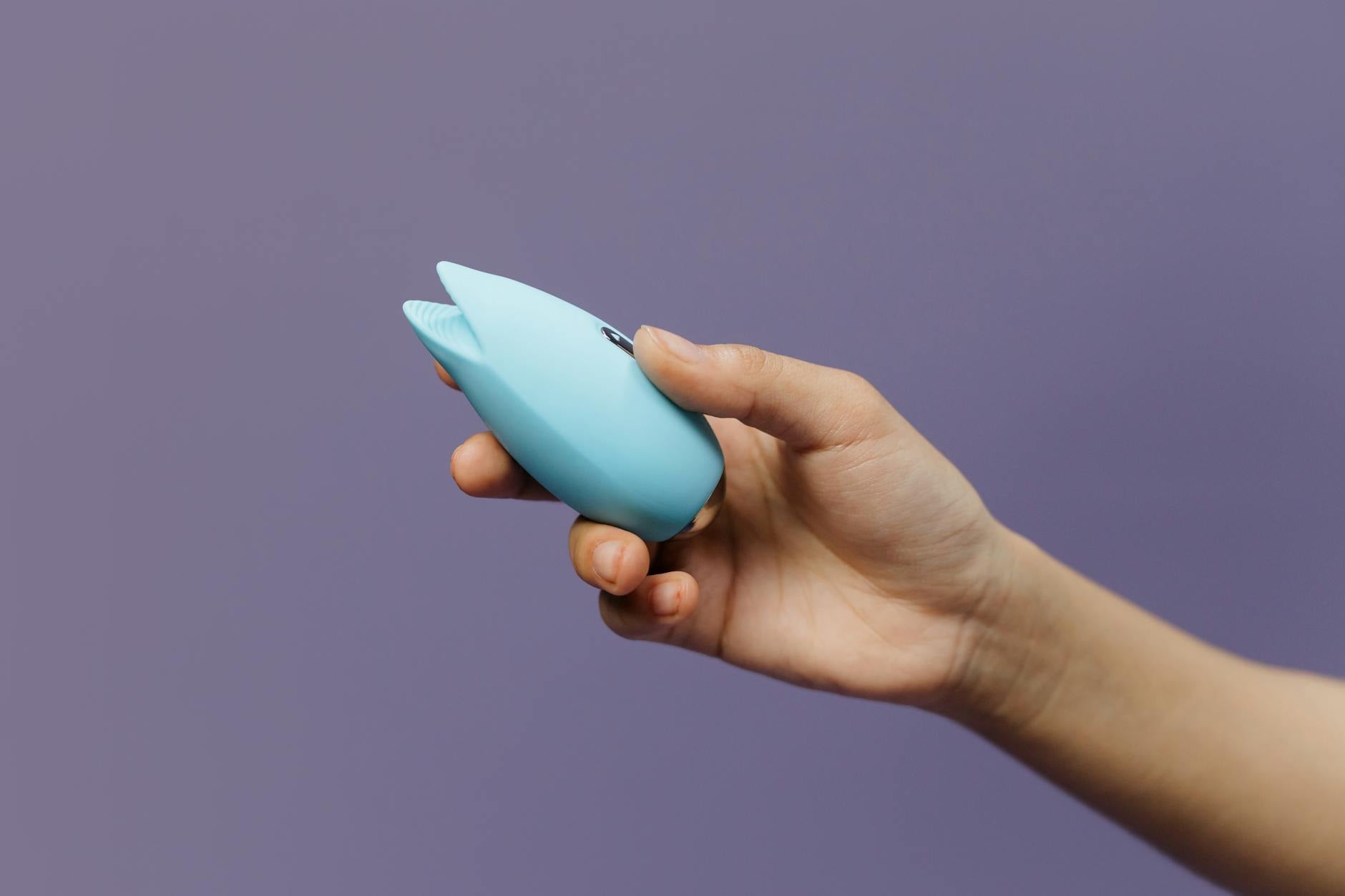
Here's the thing: shared pleasure across distance is entirely possible. It changes the shape of intimacy, but it doesn't shrink it. Lemon clitoral vibrators, when used intentionally with a partner, become a way to sync your bodies and stay emotionally connected, not just logistically coordinated.
Why lemon vibrators work differently for long-distance couples
A clitoral vibrator like the Lem is designed to deliver consistent, predictable sensation. That matters for long-distance because reliability is erotic. When you're video-connected, your partner can see your response in real time. That feedback loop. that witnessing. it's its own kind of intimacy.
Unlike penetrative toys, which can feel isolating over video, clitoral vibrators create a visible arc of pleasure that invites your partner into the experience. You're not hidden. Your body's pleasure becomes the shared focus.
The suction technology of lemon vibrators also means you can use them hands-free or semi-hands-free, which matters for video calls where you want to maintain eye contact or be able to touch yourself simultaneously. The sensation is localized and intense without requiring a partner's physical presence to work.
Setting up the logistical and emotional groundwork
Before you ever use a vibrator together, you need three conversations.
First: the timing talk. Different time zones don't matter as much as you think. What matters is choosing a specific window when you both can be fully present. 6 p.m. Tuesday for one of you might be 10 a.m. Wednesday for the other. Pick a time when you're not half-distracted by work or too tired to feel anything. Schedule it like you would any meaningful date, because it is one.
Second: the boundaries talk. Discuss what you're both comfortable with. Are you undressed on video? Audio only? What if someone needs to stop? Establish a simple signal. I've worked with couples who use "code red" to mean "I need to pause without explaining," which removes pressure to narrate discomfort in real time.
Third: the desire talk. This one's easy to skip because it feels abstract. But talk about what turns you on about watching your partner have pleasure. What excites them about witnessing yours. This isn't clinical. It's actually the sexiest conversation because it primes you both to anticipate the experience.
The first time: what actually happens
Honestly? It might feel awkward. Your brain is doing three things at once. you're performing for a screen, managing the toy, and trying to feel something genuine. That's completely normal.
Start without the vibrator. Just talk. Make out on camera if that feels right. Let your body warm up without pressure to perform. Many couples skip this and jump straight to sensation, which truncates the whole experience.
When you introduce the Lem or another lemon clitoral vibrator, start on the lowest setting. The goal isn't to get off quickly. it's to familiarize your body with sensation while your partner watches and you both talk. Tell them what you're feeling. Ask them what they notice in your face, your breathing, your body. This narration is the intimate scaffolding.
If you don't orgasm the first time, that's the norm. Your nervous system is learning to be present in a new configuration. Give it three or four sessions before you judge whether it works for you.
Deepening the connection over repeat sessions
Once you've done this a few times, you can layer in more intentionality. Some couples synchronize orgasms, which requires communication about pacing but creates a shared moment that feels genuinely bonding. Others prefer solo focus where one partner has pleasure while the other witnesses and coaches, then they switch.
You can build a ritual. Light a candle. Wear something you both like. Play music. These seem small, but they signal to your brain that this time is protected and special, not squeezed into a Tuesday afternoon.
Some long-distance couples we work with report that the intensity of scheduled intimacy actually deepens their desire more than spontaneous sex did when they lived together. There's something about anticipation and intentionality that recalibrates what arousal feels like.
Photo by cottonbro studio on Pexels
Handling the technical and emotional bumps
Video calls drop. The mood breaks. You're self-conscious about your face on screen. You don't orgasm when your partner does. These are real obstacles, not signs that long-distance intimacy doesn't work.
For technical issues, have a backup plan. Can you call instead if video fails? Are you comfortable voice-only? Some couples find audio-only actually removes performance pressure and lets them be more vulnerable.
For the self-consciousness: that usually fades after two or three sessions. Your nervous system adjusts. But if it doesn't, consider dimming the camera or using a lower angle. You're not performing for an audience. you're inviting your partner into something private.
For mismatched pacing (you finish first or vice versa), that's an opportunity to practice generosity. If you finish first, stay present and keep watching. Keep talking. Your continued attention is pleasurable for your partner even if your body isn't engaged. This is actually when long-distance couples report feeling most connected.
Practical tips that actually change the experience
Use a vibrator with multiple patterns, like the Lem, so you have variation to explore. Starting at pattern one and working up gives you something to do together. it becomes a shared discovery.
Keep lubricant nearby. Even if you don't usually need it, the slickness changes sensation and makes the whole experience feel less clinical. Lemon clitoral vibrators work beautifully with water-based lube.
Build in transition time after you disconnect. Don't jump straight back to work or conversation. Lie there for five minutes. Send a message afterward. These micro-rituals tell your brain that what just happened mattered.
Consider sending a photo or voice message earlier in the day. anticipation is half the experience. a simple "thinking about tonight" resets your nervous system all day.
When long-distance pleasure becomes a bridge
I've worked with couples who were convinced distance would kill their sexual relationship. What often happens instead is that the intentionality required by long-distance intimacy actually rebuilds what was missing when they lived together. the planning, the focus, the absence of distractions.
Some couples tell me they keep up this ritual even after they move closer together, because it became one of their favorite ways to connect. the lemon vibrators, the scheduled time, the deliberate vulnerability. those things don't stop being valuable just because you're in the same room.
Long-distance relationships are hard. the logistical, emotional, and physical strain is real. but shared pleasure, when approached with honesty and consistency, becomes one of the threads that holds you together. it reminds you both that desire is still alive. that you still matter to each other's bodies. that distance is temporary, but what you're building isn't.
FAQ: Long-distance pleasure and lemon clitoral vibrators
Should I use the same vibrator or do we each need our own?
You can do either, honestly. some couples prefer buying two identical lemon clitoral vibrators so you're using matching sensation. others find it sexier to use the same one across visits, which adds a layer of physical connection. from a practical standpoint, separate toys are easier for long-distance. no coordinating who ships it where. but if you want to keep a shared lemon sucker in a go-bag for visits, that works too.
What if I don't orgasm on the call? Does my partner feel rejected?
Not usually, and here's why. if you've had the conversation about what matters most (presence, connection, witnessing), you're both clear that orgasm is one outcome, not the only success. some of the best sessions long-distance couples have involve zero orgasm but tons of connection. your partner seeing you try, seeing your body respond, hearing your breath change. that's not rejection. that's intimacy. if your partner does feel rejected, that's worth a separate conversation outside the bedroom about reassurance and what you each need to feel desired.
Is it weird to schedule this? Doesn't spontaneity matter more?
Spontaneity matters when you're in the same room. when you're across a continent, scheduled sex is actually what frees you to be fully present. you're not wondering if a call is coming. you're not frustrated that timing never lined up. you show up to a chosen moment, fully dressed and fully ready, and something real happens. that's not less romantic. it's more intentional, which is its own thing.
Can we do this with other toys besides lemon vibrators?
Absolutely, but clitoral vibrators have specific advantages for long-distance. they're handheld and predictable. you don't need a partner to operate them. they create visible pleasure. that said, if you and your partner both have toys you love, use those. the tool matters less than the intention and the presence.
What if one of us has a lower sex drive? Does this pressure them?
Scheduling can feel pressured if one person already feels obligated. that's a signal to check in about whether long-distance intimacy feels good or feels like a chore. you might lower the frequency. you might shift the focus to non-sexual intimacy on video for a few weeks. the point is to listen to what's true, not to force a rhythm that doesn't serve both of you. low libido in long-distance relationships is often a sign that someone needs more emotional connection before physical pleasure. prioritize that.
How do I bring this up without sounding like I'm rejecting my partner's body?
Frame it as an experiment in staying connected, not as a replacement for in-person sex. "I've been thinking about how we could feel closer when we're apart. I found something I'd like to try. would you be interested?" If your partner is hesitant, ask what would make it feel better. maybe audio-only, maybe less frequent, maybe a different setup. long-distance intimacy is a collaboration, not a performance. your partner's comfort matters more than your ideal scenario.
The real distance between you shrinks when you're both present
Long-distance relationships ask a lot of couples. they require intention, communication, and a willingness to show up even when it's inconvenient. shared pleasure, when built on that foundation, becomes one of the most powerful ways to say "I'm choosing you, across this distance, with my whole body and attention." That matters. And it works.
If you're navigating the unique challenges of long-distance intimacy and want to explore more ways to stay connected, reach out. We can help you build a framework that works for both of you.