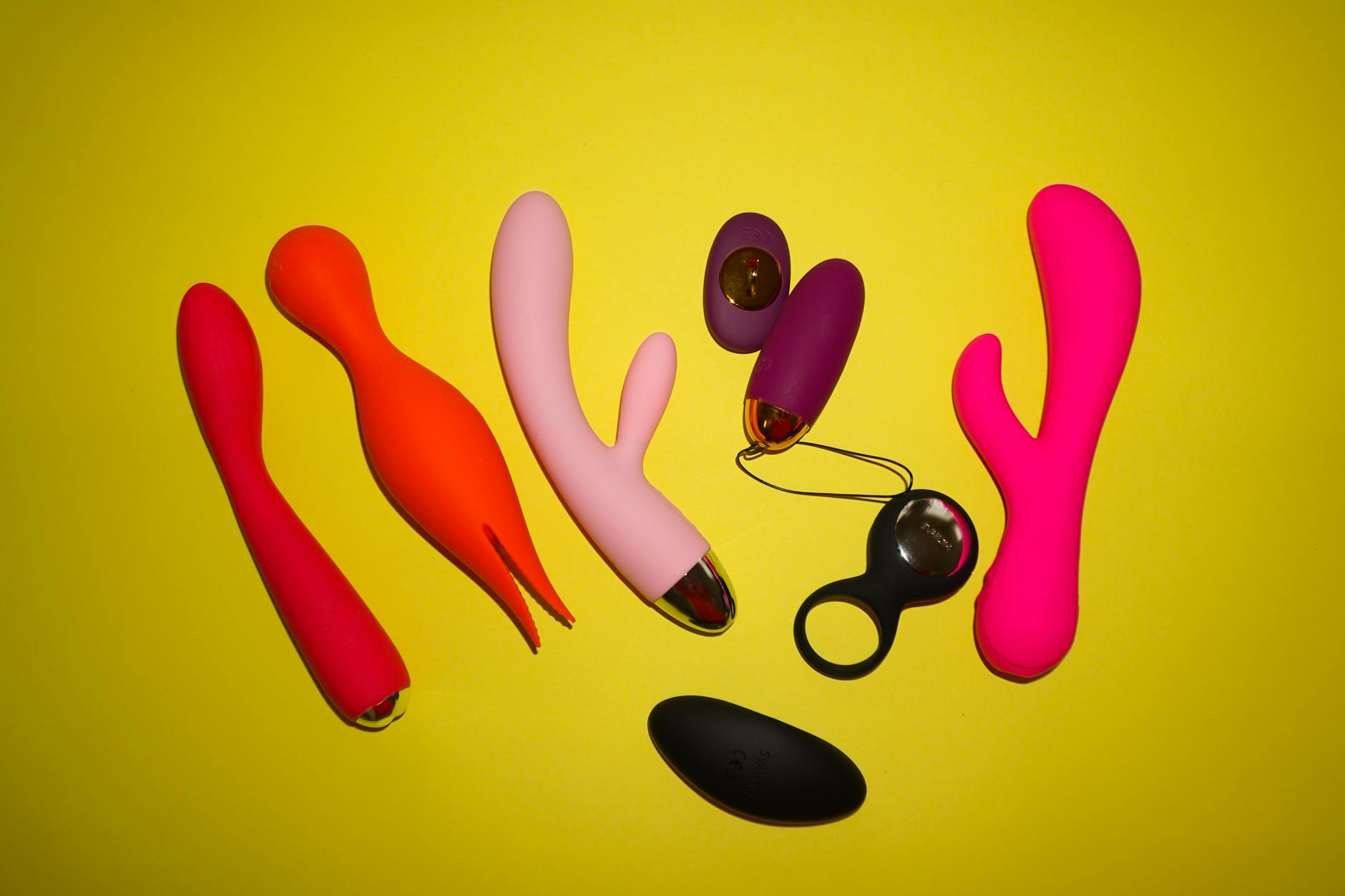
Here's the honest thing about coming together
People talk about synchronized orgasms like they're either effortless or impossible. The reality is much simpler: most couples haven't built the infrastructure to make them happen. That infrastructure is three parts. One: you both know your own timeline. Two: you can actually talk about it without awkwardness. Three: you have a tool that lets you stay in rhythm without overcomplicating things. A lemon clitoral vibrator does that third part beautifully.
Why timing matters more than you think
Here's what most people don't realize. When you're having sex with a partner, your nervous system is managing at least four things at once: your own arousal, their arousal, the physical sensation, and the emotional dynamic. That's a lot. If you add "trying to time an orgasm" into the mix without a plan, one of those four falls apart. Usually it's either your arousal (you get in your head) or the emotional flow (sex stops feeling connected and starts feeling like work).
This is why lemon vibrators work so well for this. They move the work of building consistent sensation off your partner and onto a tool that won't get tired, won't slow down, and won't accidentally shift angle when things get intense. Your partner stays present with you instead of locked in concentration trying to nail the rhythm.
What you actually need to know about your own body
Before you bring anything into the bedroom, spend time alone. This sounds basic, but I mean specifically: figure out how long arousal takes to build, what speed or pattern gets you closest to the edge, and what happens in the final seconds before you come. Write it down if that helps. "I need about 10 minutes of solid stimulation, I prefer patterns 2 and 3 on the Lem, and I need consistent pressure in the final 30 seconds."
Why? Because then you can actually tell your partner this. And they can work with it instead of guessing. It's the difference between "just touch me" (impossible to execute) and "start at pattern 1, move to pattern 3 after five minutes, keep it there" (totally doable).
The conversation that changes everything
Honestly though, this is where most couples get stuck. Talking about your own pleasure timeline feels vulnerable. So people skip it and go straight to the bedroom, hoping chemistry will solve it.
Chemistry doesn't solve logistics.
Have this conversation outside the bedroom, when you're both clothed and no one's turned on. Say something like: "I've been thinking about us coming together sometimes, and I realized I don't actually know your timeline. Like, how long does it usually take you to get close? What helps you stay there?" Then listen. Then share yours. Then say, "I'm thinking we could try using the Lem to help with this. Want to experiment?"
That's it. Simple. Unsexy in the moment, but it makes sex way less pressured later.
How to actually use a lemon vibrator for this
There are a few patterns that work well for syncing with a partner.
Pattern one: foreplay to the finish line. You use the vibrator during foreplay while your partner is inside you. This gives you a clear advantage: your arousal is climbing steadily from the start, so you're much closer to the finish line than your partner. It evens the playing field. Most people find this works best when penetration starts shallow and slow, then builds in rhythm as you get closer. The Lem stays at pattern 2 or 3 for most of this window.
Pattern two: the delay and sync. You get yourself mostly there with the vibrator before penetration even starts. Your partner enters when you're already at 80 percent, which means you're only a minute or two away. This one takes practice because the timing has to be tight, but once you nail it, it's reliable. Your partner can feel you coming and sync their timing to match.
Pattern three: the external anchor. You keep the vibrator on yourself during penetration, but your partner can feel it against them depending on position. This is less about traditional penetration and more about positions like you on top, where your partner can actually sense the vibration and it changes the experience for both of you. It's intimate and it takes the pressure off because you're managing your own timing while they're managing theirs.
Start with pattern one. It's the easiest to coordinate.
The rhythm of it all
When you're actually in the moment, a few things help. First: slow down before you think you need to. If you're at 70 percent arousal and you think you want to speed up, don't. Hold the pace. Build. Your partner might still be at 40 percent, and patience now means you sync later instead of you finishing and them feeling rushed.
Second: use sound. Not dirty talk necessarily. Just genuine reactions. If you're getting closer, let your breathing change. If the rhythm is working, say so. "That's perfect." Your partner can hear this and adjust their own pace. It's feedback without stopping to have a whole conversation.
Third: if you feel yourself building too fast, back off the vibrator intensity for 15 seconds. Not to kill the mood. Just to let your partner catch up. Then go back. This sounds mechanical, but it's not. It's the difference between coming separately and coming close enough that it feels together.
When it doesn't work and what to do about it
Some days your body just won't cooperate. Stress, hormones, medication, not enough sleep. Maybe your partner's timing is off that day. Maybe the emotional dynamic is weird. This is fine. It's not a failure.
On those days, drop the goal. Come separately. Enjoy it. Trying to force synchronized orgasms when the conditions aren't right just makes sex feel like an agenda. The relief of letting that go is honestly worth it.
But here's what I've noticed in my work with couples: once you've synced even once, you usually want to do it again. It feels good. It feels connected. And now that you have the communication and the tool in place, you can keep working toward it on the days when your bodies are both willing.
Lemon vibrators make this possible because they give you consistency that a hand just can't. The Lem's patterns stay exact. The vibration doesn't fatigue. You can focus on your partner and the connection instead of worrying about technique or pressure. That mental freedom is huge.
When to bring this up with your partner
You might worry about it being awkward or unsexy to suggest using a vibrator together. But here's what I see happen: couples who can talk about this become less awkward about sex, not more. Because you've named the thing out loud. You've made it practical. You've taken the mystery out and put the intention in.
Your partner probably wants this too. They probably feel the frustration of the timing mismatch just as much as you do. They're just waiting for someone to say it first.
FAQ: Questions people actually ask
How do I know if my partner will be receptive to using a lemon vibrator together?
You just ask. Not in a pressured way. "I've been reading about how couples use vibrators together, and I think it might actually help us with timing. What do you think?" Most partners will be relieved someone said it. If they're hesitant, ask what they're worried about. Usually it's one of three things: they think it means they're not enough, they're unsure how it actually works, or they're worried about it being uncomfortable. All three are solvable with conversation.
What if we've never used a vibrator before and this feels like a lot?
Start smaller. Use the vibrator on yourself when your partner is present but not involved. Let them see how it works, hear it, understand it's just a tool. Then once you're both comfortable with it existing in your sexual space, introduce it into partnered sex. You're not jumping straight to synchronized orgasms. You're building familiarity first.
Does using a vibrator mean my partner isn't doing enough?
No. This is a really common worry and I want to be clear about it. A vibrator isn't a replacement for your partner. It's a tool that helps you both get to the same finish line. Your partner is still present. They're still creating pleasure. They're just not trying to do the impossible job of being inside you, managing their own arousal, and somehow knowing exactly how to touch the outside at the same time. The vibrator handles one piece. Your partner handles the rest.
How do we actually introduce this without it being awkward?
Bring the Lem into the bedroom the same way you'd bring lube. It's a tool. You might say something like, "I thought we could try this and see if it helps with the timing thing we talked about." Then use it. If it feels good, great. If it's weird the first time, that's normal too. Most couples need one or two attempts before they find what works.
What if one of us comes first and the other is still building?
That's actually okay. The goal isn't always a perfectly synchronized moment. Sometimes the goal is just being close. You finish, you stay present with your partner while they finish, and that closeness is the actual connection. Sync is nice, but presence is better.
Are there certain positions that work better for this?
Yes. You on top gives you access to the vibrator while your partner is inside you, and it's easier to control pace. Side by side with penetration also works well because you can use the vibrator without anyone having to contort. Missionary is harder because you've got bodies in the way. Start with positions where you have easy access to yourself.
The thing about sustainable pleasure
Here's what I've learned from working with couples for years: the ones who have the best sex lives aren't the ones with perfect chemistry or bodies that naturally sync. They're the ones who talk about the logistics and then let pleasure do what it wants from there. They've removed the mystery from the mechanics, so the actual feeling part can flow.
A lemon vibrator and a conversation with your partner will get you there faster than waiting around hoping it happens naturally. Your body deserves consistency. Your connection deserves intention. Start there.
If you want to explore further, our guide to rebuilding pleasure after pelvic floor dysfunction has additional communication frameworks that couples find helpful. Or if you're navigating performance anxiety in this context, our piece on pleasure when performance anxiety blocks you digs into how to reframe this so sex feels connected instead of pressured.
Have questions or want to talk through your specific situation? Reach out. That's what I'm here for.