Let's talk about the gap
Years without sex changes things. Not permanently. But right now, in this moment, your body might feel like someone else's. The desire is back. Maybe your relationship shifted. Maybe kids finally grew up. Maybe you just woke up one day and thought, "I miss this." Whatever brought you here, you're not broken. You're just out of practice.
The thing nobody tells you about returning to pleasure after a long sexless period: your body didn't forget how to feel good. It just got quiet. And quiet takes time to turn back up again.
Why the restart feels harder than you'd expect
Muscle memory is a real thing. So is neural pathways. When you've gone years without sexual stimulation, your clitoris and vulva don't lose their sensitivity, but the brain's connection to that pleasure does get a little dusty. You might notice sensation feels muted, or arousal takes longer to build than it used to, or the entire experience feels weirdly unfamiliar even though it's literally your own body.
Add to that: anxiety. The longer you've been away from sex, the more you might overthink the return. Will it be awkward? Will I remember how to do this? Will my body still respond? These thoughts live in your nervous system, and they make arousal harder, not easier.
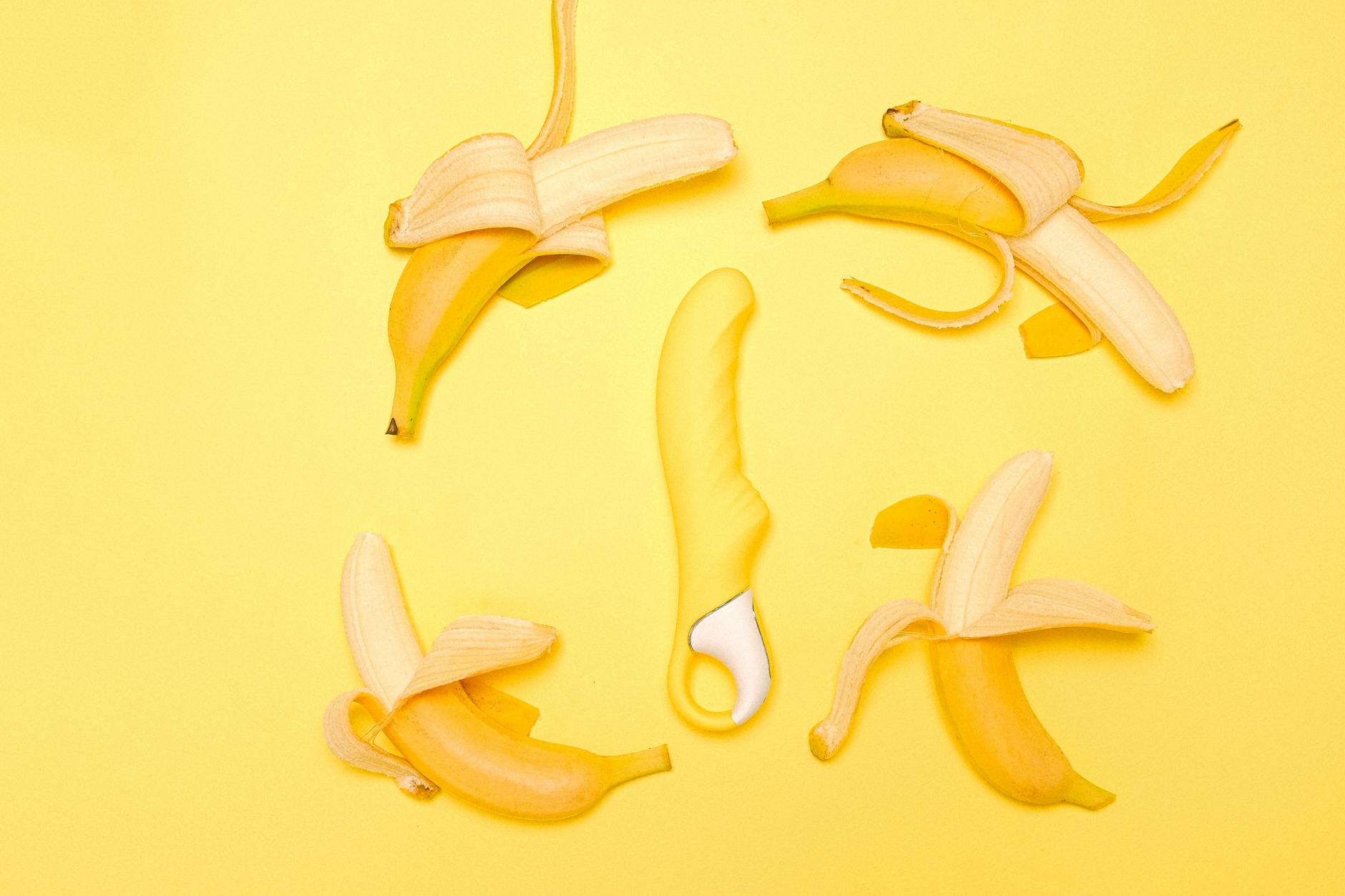
Here's the good news. Lemon clitoral vibrators like the Lem work particularly well for this exact scenario because they give you control, gentleness, and feedback all at once. You set the pace. You decide the intensity. And the suction mechanism creates sensation without the kind of pressure that can feel intense or overwhelming when you're relearning your own body.
Starting solo first, always
If you're in a relationship, this is still the right move. Solo exploration lets you figure out what your body wants without the pressure of someone else's expectations. No performance, no timing, no audience.
Set aside 20-30 minutes when you're alone, relaxed, and genuinely interested. Not rushed. Not trying to check a box. Genuine curiosity about what feels good right now.
Start clothed. Seriously. Spend the first session just exploring how the lemon vibrator feels through fabric. No arousal required. You're basically getting reacquainted with the sensation without any stakes. This sounds silly until you realize how much psychological safety it builds.
Move to direct contact the second time. This is where many people get it wrong by going straight to the highest setting. Don't. Start at pattern 1 or 2. The Lem has seven settings, and most people returning to pleasure don't need more than 3 or 4. Let your body tell you when to increase intensity.
The rhythm that works for long gaps
Arousal after years away often needs a different structure than it used to. You're not starting from zero, but you're also not starting from where you left off. Honor that.
Budget 10-15 minutes of warm-up before you use the vibrator at all. This means actual foreplay: touching yourself elsewhere, breathing deeply, maybe reading something that appeals to you, getting into your own headspace. The vulva needs time to wake up again.
Once you start with the lemon vibrator, keep it there. Don't switch positions or take breaks. The discontinuation resets your arousal clock. Build it slowly with steady pressure and light to medium patterns.
If orgasm happens, great. If it doesn't, also great. You're not here to perform for anyone, including yourself. You're here to rebuild the neural connection between sensation and pleasure.
When you're ready to include a partner
If you're returning to sex with someone, this conversation needs to happen before you're both naked. Not as a clinical speech, but honestly: "My body's been quiet for a while. I want to explore this again, and I might need things to move slower than they used to. What do you need?"
This isn't unsexy. It's the opposite. It's a genuine conversation about what you both want, which is always more interesting than pretending you know what you're doing when you don't.
When you do start partnered sex or partnered pleasure, the lemon vibrator stays in play. It's not a replacement for what your partner does. It's a communication tool. It shows them exactly what speeds and patterns work for your body right now. It also takes the pressure off penetration or hand stimulation if those don't feel good yet.
Many couples find that using a clitoral vibrator together actually improves their entire sex life because it removes the guesswork. You're both watching something work, learning from it, building together.
Common things that happen in the first month
You might have an orgasm and then feel nothing for three sessions. This is normal. Your nervous system is recalibrating.
You might feel more aroused one week and less the next. Hormones are still doing their thing. Stress still matters. Sleep still matters.
You might feel a little emotional afterward, even if the physical sensation was good. Welcome home to your body. Some feelings are supposed to be there.
You might worry that you're taking too long or it's not working fast enough. It is. Bodies don't rush. Neither should you.
What actually changes in your second and third month
Arousal gets faster. Orgasms become more reliable. Your body starts recognizing the pathway again, and each time you use a lemon vibrator, you're strengthening that connection.
You'll probably notice you need less warm-up time as you go. You might discover you prefer different patterns than you used to. Your body changed. That's fine. Let it be different.
If you're with a partner, they'll probably notice you seem calmer during sex. Less performance anxiety. More actual presence. That's what reclaiming your own pleasure does.
The thing nobody talks about
Returning to pleasure after years away is sometimes easier than you expect because expectation finally drops. When you've been having regular sex, there's pressure to perform, to reach orgasm by a certain time, to move at a certain speed. When you're rebuilding from a gap, somehow all that noise just quiets down. You're not trying to prove anything. You're just exploring.
That's actually one of the gifts of the gap.
FAQ
How long does it usually take to rebuild arousal after years without sex?
Every body is different, but most people see a noticeable shift in responsiveness within 2-4 weeks of regular solo exploration. By the second or third month, arousal should come faster and feel more familiar. This timeline assumes you're exploring solo at least a few times a week. If you're doing it monthly, extend that timeline. Consistency matters more than intensity.
Is it normal to not have an orgasm the first few times I use a lemon vibrator after my gap?
Completely normal. Orgasm is the least important metric when you're rebuilding. What matters is sensation, comfort, and reconnection. Some people need 5-10 sessions before orgasm even becomes part of the equation. Your body's nervous system is literally retraining itself. Pressure doesn't help that process.
Should I use a lemon vibrator alone before involving my partner?
Yes, at least a few times. Solo exploration gives you permission to go slow without anyone else's timeline interfering. It also lets you figure out what patterns and settings feel good without worrying about whether your partner is enjoying themselves. Once you know what works for your body, sharing that with a partner becomes easier and more confident.
What if I return to pleasure with a partner and nothing feels right?
Take another break if you need to. Seriously. There's no timeline on this. If return-to-sex anxiety is too high or trust is shaky, pressure to perform will backfire. Talk with your partner about what's actually happening emotionally, not just physically. If you need support, a therapist who specializes in couples or sexual health can help rewire both your nervous system and your relationship.
Can using a lemon clitoral vibrator too much cause numbness when you're rebuilding?
Highly unlikely if you're using it sensibly. Numbness usually comes from consistent high-intensity use over long periods. When you're rebuilding arousal, you're using lower-to-medium settings for 15-25 minutes, which is actually the opposite of numbing. In fact, varied stimulation like this tends to keep sensation sharp.
What's the difference between rebuilding pleasure solo versus with a partner?
Solo is all about your nervous system learning again. No performance, no timing pressure, pure exploration. With a partner, you're adding the element of being watched and desired, which adds a different kind of arousal that pure solo play might not include. Both matter. Start solo, then layer in partnered pleasure once you feel confident in your own body again.
The permission you actually need
Your years away from sex weren't wasted time. They were life. Kids, work, grief, exhaustion, loss of connection. All of it was real and valid. Coming back to pleasure now is not a reset. It's a return.
And returns don't have to look like the first time around. They can be slower, more intentional, more honest. Sometimes they're actually better because you finally know yourself well enough to ask for what you want.
Start with yourself. Use a lemon vibrator. Go slow. Listen to your body. Let it teach you again what feels good. The rest will follow.