Let's start where you actually are
Pelvic floor trauma doesn't announce itself the way people expect. You might feel tightness, pain, numbness, or a combination that shifts day to day. Worse, pleasure and trauma get tangled up fast. Your body learned to protect itself, and that protection doesn't turn off just because intellectually you're ready.
Honestly, most people think they have to wait until recovery is complete before touch becomes okay again. That's not how it works. Pleasure doesn't come back through avoidance. It comes back through intentional, tiny, supported steps.
What pelvic floor trauma actually does
Your pelvic floor is a group of muscles and nerves below your bladder, uterus, and bowel. Trauma can come from childbirth (especially tearing or forceps), surgery, sexual assault, chronic tension, endometriosis, or even sustained stress. The result is predictable: the muscles tighten reflexively, sensation becomes either hypersensitive or numb, and the nervous system treats the area as a threat.
That last part matters. Your brain isn't being dramatic. It learned something hurt, so it built walls. Now touch feels like an alarm instead of a pleasure signal.
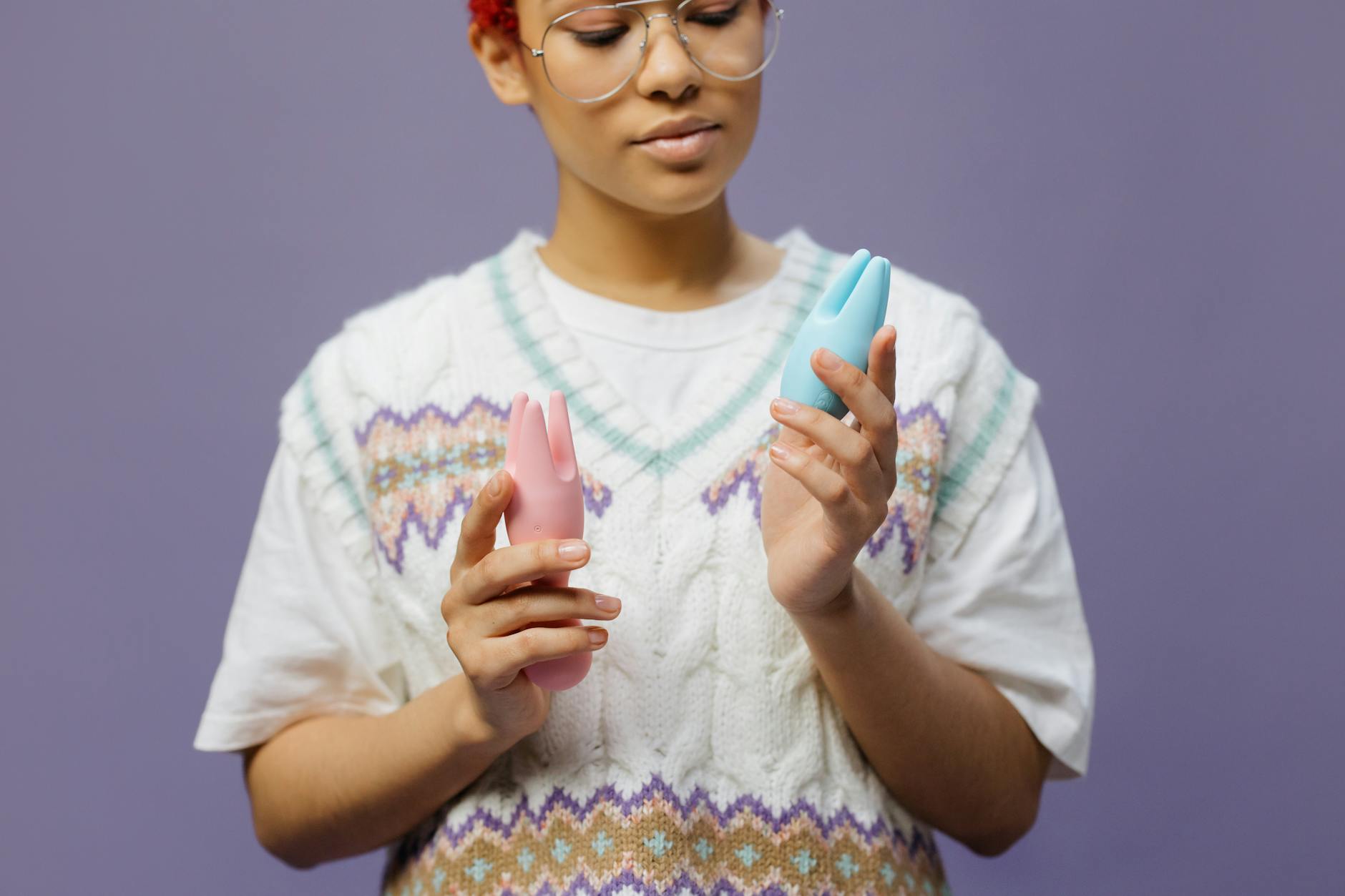
The good news: the nervous system can unlearn that. But it happens slowly and gently, which is exactly where lemon clitoral vibrators shine. Unlike traditional vibrators, the suction-based technology of the Lem doesn't require deep penetration or intense friction against already-tender tissue. It stimulates the clitoris without the mechanical pressure that can retrigger trauma responses.
The timeline question nobody asks
You don't need a therapist to say "go ahead" before exploring touch again. You need permission from yourself, which is harder to give. Here's what I tell people in my practice: if you can breathe steadily around the thought of touch, you can start. If your body immediately goes rigid or you feel panic, wait. Not forever. But a few weeks while you work on nervous system settling (therapy, somatic work, sometimes pelvic floor PT) will serve you better than pushing through.
When you do start, assume the first month is about sensation gathering, not pleasure building. You're teaching your nervous system that touch can be safe. That takes repetition in low-stakes situations.
Why lemon clitoral vibrators work better for this
Three reasons:
First, suction doesn't mimic penetration. A lot of pelvic floor trauma survivors find that vibrators that buzz or pulse feel too similar to intercourse, which can retrigger the original injury. Suction-based stimulation like a lemon vibrator works differently. It's a pulling sensation, not a pushing one. That distinction is enormous neurologically.
Second, you control the intensity completely. The Lem has multiple sensation patterns. You start at level 1, barely perceptible. If your nervous system spikes, you stop. No judgment, no shame. You're literally training your body to know that touch can be interrupted, that you're in control, that it's safe.
Third, sensation is localized. The suction cups sit against the clitoral tissue without spreading pressure across the vulva. For people with trauma, that boundary clarity helps. You know exactly what's being touched, which paradoxically makes it feel safer than broad vibration.
How to actually start
I'm going to give you a framework that works whether you're working with a partner or solo.
First, choose when. Not during a time when you're stressed, rushed, or already touched out. Trauma recovery needs calm nervous systems. Evening alone is usually best, or early morning if that's your rhythm.
Second, warm up differently. Don't jump straight to the lemon vibrator. Spend 10 minutes on self-soothing touch: gentle stroking of your inner arm, neck, hands. Let your body remember that touch exists on a spectrum from calming to stimulating. You're not aroused yet. You're just building safety.
Third, introduce the device on the lowest setting, fully clothed or with underwear on. Yes, really. The barrier matters. You're learning that this tool exists, that it's not painful, that you can turn it off. That's the entire goal of session one.
Fourth, keep it brief. Three to five minutes, tops. Your nervous system needs time to process new information. More time doesn't mean better results. It means burnout and setback.
After a few sessions at that stage, try the same thing with direct contact on the vulva, still at the lowest setting. Let skin sensitivity become the teacher. If something feels wrong, stop. If something feels neutral or mildly pleasant, keep going.
When pleasure actually returns
This takes time. I'm talking weeks or months, depending on the severity of the trauma. But here's what I see consistently: once the nervous system trusts the stimulus, sensation deepens fast. People who thought they'd never feel pleasure again often report that their first orgasm post-trauma is shockingly intense.
That intensity isn't accidental. Because you've rebuilt slowly, with intention, the neurological pathways lighting up are doing so in a brain that feels safe. There's no fear overlay. The pleasure is pure.
When you reach that point, intensity matters differently. Some people jump straight to higher settings on the lemon vibrator. Others stay with lower settings because the sensation is richer. Both are correct. Your body will tell you what it needs.
The partner conversation, if there is one
If you're rebuilding with a partner, they need to understand one thing upfront: this isn't about them. Pelvic floor trauma isn't a reflection of attraction or relationship health. It's a nervous system response. Many partners feel guilt or inadequacy when they learn their partner is recovering from trauma. That guilt can become pressure, and pressure kills the entire process.
The best partners do three things: they ask what helps instead of assuming, they celebrate tiny wins without overselling them, and they don't take slowness personally. If your partner can do that, they're actually supporting your recovery. If they push or rush, the nervous system tightens again. It's not punishment. It's biology.
Your partner can be in the room during exploration, but honestly, many people rebuild faster alone first. You don't have to perform recovery. You don't have to prove you're healing. You just have to be present with your body as it learns to feel safe again.
When pelvic floor physical therapy helps
If you're experiencing pain with any touch, or if tightness is significant, see a pelvic floor physical therapist before or alongside this self-exploration. They'll teach you how to relax the muscles that have been gripping, which changes everything. A lemon clitoral vibrator is a tool for rebuilding pleasure. PT is a tool for addressing the physical restriction. They work together.
A note on setbacks
Some days, especially early in recovery, you'll touch the vibrator and feel panic. Your nervous system isn't being difficult. It's doing exactly what it was trained to do. When that happens, you pause. You don't push. You don't shame yourself. You come back when you're ready.
Setbacks are not failure. They're information. They tell you that you need more time before the intensity you tried, or more support from a therapist, or a conversation with your partner about what would help you feel safer.
This work is not linear. But it's absolutely possible.
People also ask
How long does pelvic floor trauma recovery actually take?
Recovery timelines vary wildly depending on the cause and severity of the trauma, whether you're in therapy, and your own nervous system sensitivity. Some people feel shifts in weeks. Others need six months to a year of consistent work. The important thing is that you're moving, not that you're moving fast. Pleasure returns when the nervous system decides it's safe, not on a schedule.
Can you use a lemon clitoral vibrator if you have vaginismus?
Yes, but with even more caution. Vaginismus is involuntary tightening, often a trauma response. You'd start fully clothed, lowest setting, and focus on the clitoral area without any internal touch. The goal is teaching your muscles that external sensation is safe. This often pairs beautifully with pelvic floor PT. Many people find that addressing the vaginismus directly through PT, then layering in gentle external stimulation with something like the Lem, creates real shifts.
What if pleasure still feels completely absent after three months?
Talk to a trauma-informed sex therapist. Absence of sensation (sexual anhedonia) sometimes points to depression, dissociation, or unprocessed trauma that needs clinical support. A vibrator is a tool for someone whose nervous system is ready to rebuild sensation. If the foundation isn't there, therapy comes first. Once you've done that work, tools like lemon clitoral vibrators become genuinely useful.
Is it normal to feel nothing with a vibrator while recovering?
Completely normal. Your nervous system might interpret any sensation as a threat, so even pleasant stimulation registers as neutral or slightly wrong. That's not a sign the vibrator isn't working. It's a sign your nervous system needs more time to recalibrate. Keep going at the lowest setting, keep sessions short, and trust that sensation deepens with repetition and safety.
Can a partner help with pelvic floor trauma recovery?
Yes, but the best support is emotional, not physical. A partner can: listen without trying to fix, validate how hard this is, respect your pace without rushing, and make space for solo exploration when that's what you need. They can be present during mutual sessions once you're further along. But in the early stages, solo work often rebuilds sensation faster because there's no performance pressure, no worry about their experience, and no risk of retrigger from penetration.
What if you've had pelvic floor trauma and a new partner comes along?
Be honest early. You don't need to share your entire history if you're not ready, but saying "I'm recovering from a pelvic trauma and I need to go slow" is important information. A responsive partner will adapt. An impatient one has just given you information too. You deserve someone who understands that trauma isn't about them and can hold space for your healing. That's not a low bar. It's a basic one.
Moving forward
Pelvic floor trauma rewires how you experience your own body. That rewiring doesn't happen through willpower or positive thinking. It happens through tiny, repeated, safe experiences that teach your nervous system something new: that sensation can exist without threat, that pleasure is possible again, and that you get to choose the pace.
A lemon clitoral vibrator is one tool in that rebuilding. Therapy, partnership, patience, and sometimes pelvic floor PT are others. But the most important part is you. Your willingness to start small, to honor your pace, and to trust that your body can learn pleasure again.
For support in rebuilding intimate connection during recovery, consider reaching out at /contact to explore guidance tailored to your journey.