Let's start with the honest part
Penetration feels good. Orgasms from penetration alone? Much rarer than anyone admits. About 75% of people with vulvas need direct clitoral stimulation to orgasm, and that's not a flaw in your body. That's anatomy. The clitoris sits outside the vagina, which means penetration doesn't naturally reach it the way it reaches the penis. Knowing this changes everything.
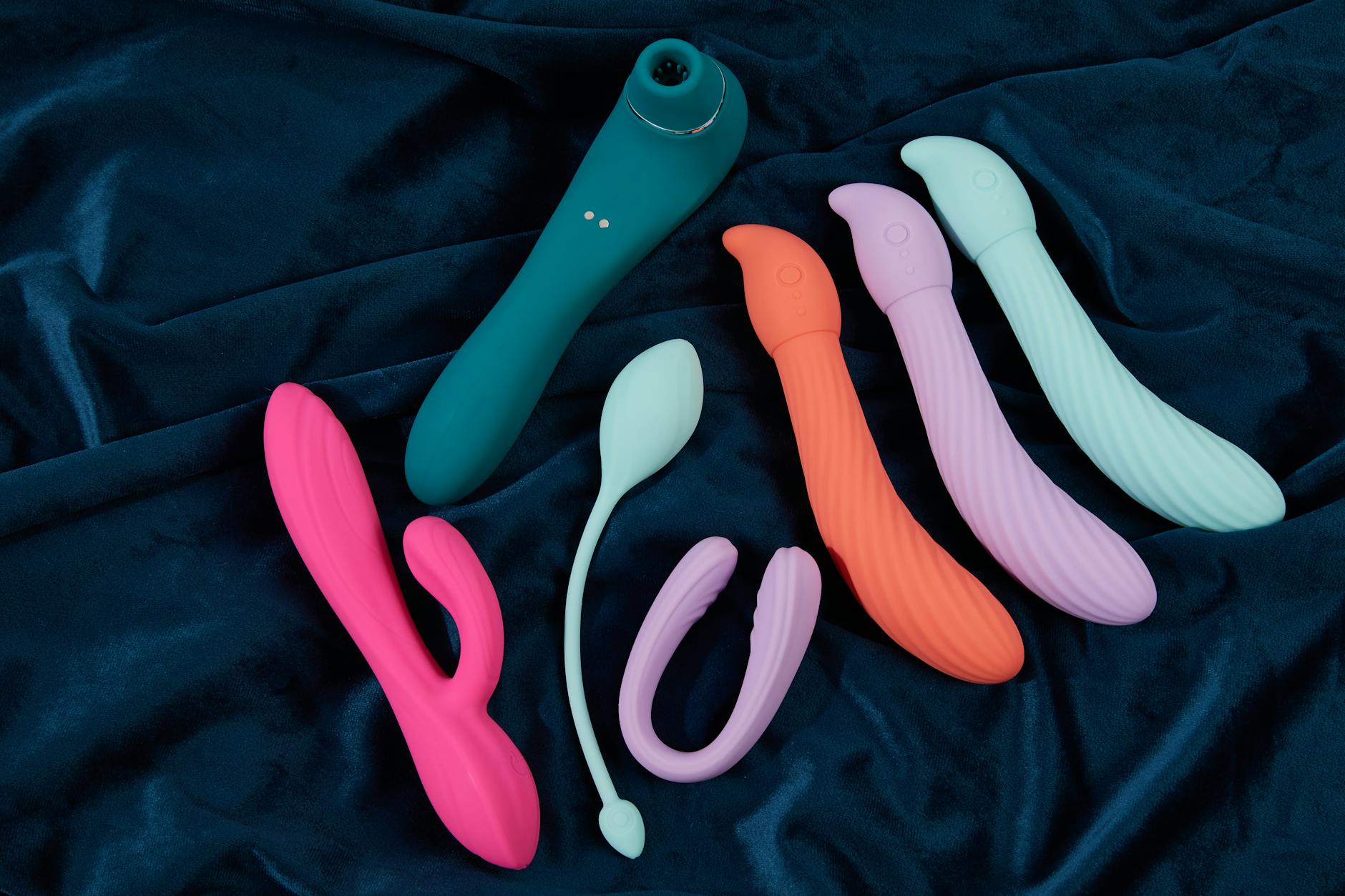
Here's the thing: for years, people blamed themselves. They thought something was wrong with their responsiveness, their desire, their partnership. What was actually wrong was the assumption that penetration should work alone. It shouldn't have to. And now, with air-suction lemon clitoral vibrators like the Lem, the gap between penetration and orgasm doesn't have to exist.
Why penetration alone often doesn't deliver
The clitoris has about 8,000 nerve endings packed into a small area. During penetration, the internal structures (the vaginal bulbs and clitoral legs) do get stimulated indirectly. But most people need more direct pressure or suction on the external clitoris to reach orgasm. That's not because they're broken. That's because their nervous system is designed to work that way.
Partners sometimes feel like this is a rejection. It's not. It's actually the opposite. People who need clitoral stimulation during partnered sex are giving their partners a map to something that works. The problem arises only when both people keep expecting penetration alone to deliver an orgasm it was never built to deliver.
I've worked with couples where the woman reported never having an orgasm with a partner, only solo. The moment they integrated clitoral stimulation, everything shifted. Not because she suddenly became responsive, but because they stopped trying to win an unwinnable game.
The anatomy that matters
The clitoris has both external and internal branches. During arousal, the entire structure fills with blood. The external glans (what you can see and touch) is sensitive to direct pressure, and the internal bulbs wrap around the vagina. Penetration stimulates those internal branches, which is why penetration feels good. But for most people, that indirect stimulation isn't intense enough to trigger orgasm.
Clitoral vibrators work because they deliver targeted, consistent stimulation exactly where nerve density is highest. Air-suction vibrators like lemon clitoral vibrators add another layer: they create a gentle vacuum that mimics oral sex without requiring the endurance oral sex demands. The combination of suction and vibration reaches deeper nerve endings that standard vibration alone sometimes misses.
When you combine penetration with clitoral suction, you're hitting multiple pleasure pathways at once. That's when "I can't orgasm with a partner" often transforms into "I orgasm reliably when we do this."
How to integrate lemon vibrators during penetration
Three positions work particularly well.
Position one: You on top. You control depth, rhythm, and angle. Position the Lem against your clitoris while your partner is inside you. You can shift your weight slightly forward to increase pressure or angle. The person below you can feel the vibration transmit through your body, which often intensifies sensation for both of you.
Position two: Missionary with the vibrator in between. Position yourself so the Lem sits between your bodies, against your clitoris, while your partner enters you. This works best if both people are comfortable with a tool in the equation. Some couples worry it feels impersonal. Usually, after the first time, that worry evaporates because the reality of shared orgasm feels more intimate than penetration alone.
Position three: Entry from behind. Lie flat or on your elbows. Your partner enters from behind while you or they holds the Lem against your clitoris. This angle sometimes allows deeper penetration while keeping the clitoris accessible.
Start with lower suction levels (settings 1-3 on the Lem) and build up. Some people jump straight to high suction, which can feel overwhelming or numb the area. You want stimulation that feels additive, not overwhelming.
Communication during the transition
If you've spent years trying to orgasm from penetration alone, introducing a tool requires a conversation. Not a heavy one. Something like: "I read that most people need clitoral stimulation, and I want to try something that might make this work for both of us."
Partners sometimes interpret this as criticism. They're not. They're data. Good partners want orgasms to happen. The ones who feel threatened by a vibrator are sometimes dealing with their own insecurity, which is worth addressing separately from the pleasure problem.
I've also worked with people who felt like using a vibrator meant their partner wasn't "enough." Here's what I tell them: a vibrator doesn't replace your partner. It supplements penetration, which is a different thing. Your partner's body, presence, and attention matter. The vibrator handles the clitoral biology that their body doesn't happen to be shaped to handle. Both things are true.
Some couples find that once clitoral stimulation leads to reliable orgasm during partnered sex, that confidence transfers to other contexts. The person who thought they couldn't orgasm with a partner starts having them regularly. Then, sometimes, the partner might not even need to use the toy because the psychological shift has happened. Other couples keep using it every time because it works and it feels good. Both are totally fine.
Timing and rhythm
Most people don't need the clitoral vibrator for the entire duration of penetration. Usually, they need it as arousal builds, especially as you approach the point where orgasm might happen. Some people like it from the start to build arousal faster. Others prefer to warm up with penetration first, then introduce the Lem as they get closer to coming.
The Lem has a ramp-up feature that gradually increases intensity, which is useful during partnered sex because you're not fumbling with buttons mid-motion. You can start at a low setting and gradually intensify without breaking rhythm.
Rhythm matters. Some people come faster if the vibration syncs with penetration rhythm. Others prefer the vibrator at a steady setting while penetration varies. You'll figure out what works through a couple of rounds of trying. That experimentation itself is often more connected than the rushed penetration-only encounters that came before.
When penetration + clitoral vibration still isn't happening
If you've tried this and orgasm still isn't arriving, a few things to check.
First: are you actually aroused? Arousal is not one thing. It's physical readiness plus mental engagement. If you're lying there waiting for something to happen, it often won't. Arousal needs attention. That might mean longer foreplay, different types of touch, mental focus, or less pressure to perform.
Second: are you using enough lubrication? Penetration plus vibration creates friction. Water-based lube helps the vibrator glide and reduces irritation. More lube usually means more pleasure.
Third: is the vibrator positioned correctly? The Lem works best when it's making full contact with the clitoris, not rubbing against surrounding tissue. Small angle adjustments sometimes make a massive difference.
Fourth: are you holding tension somewhere? People with a history of not orgasming often unconsciously tighten their pelvic floor or their jaw as orgasm approaches. That tension blocks climax. Learning to breathe and relax as sensation builds is sometimes the actual missing piece, not the vibrator itself.
People also ask
Can I use a lemon clitoral vibrator if my partner feels insecure about it?
Yes, but have a real conversation first. Some partners worry the vibrator means they're not "enough," which is about their insecurity, not your body. It's worth saying directly: "This isn't about you. It's about my clitoris needing a type of stimulation that no human body naturally provides. I want to share this with you."
Sometimes that conversation shifts everything. Sometimes the partner still feels weird about it and you have a bigger relationship problem to address. A vibrator didn't create insecurity. It just revealed what was already there.
How do I know if I'm not orgasming because of anatomy or because of anxiety?
Most likely it's both. Anxiety absolutely blocks orgasm. So does anatomy. The way to test this: try the vibrator solo first. If you orgasm easily alone, the anatomy piece is probably fine and anxiety with a partner is the real issue. If you don't orgasm easily alone either, a sex therapist or pelvic floor physical therapist might help identify what's blocking you. Sometimes it's not mental. Sometimes it's tension, sometimes it's medication, sometimes it's sensory mismatch.
Is it normal that I feel more pleasure from clitoral stimulation than from penetration?
Completely normal. The clitoris has way more nerve endings than the vagina. Of course it's more sensitive. This isn't a flaw. It's just how bodies work. Once you accept that, you can stop waiting for penetration alone to deliver something it was never designed to deliver and just enjoy what actually feels good.
Can I use a lemon sucker vibrator during penetration if I have a smaller body?
Yes. The Lem is designed to fit comfortably, and you control the positioning. If space feels tight, you might angle it slightly or use positions where there's more room (like being on top, where you have more control). Some people find that being on top solves any spatial concern because you're dictating angle and pressure.
What if my partner and I want both of us to enjoy this?
There's actually a lot to like here if you're the penetrating partner. You can feel the vibration transmit through your partner's body. You get to watch their response. For many partners, seeing pleasure they helped create is intensely satisfying. The dynamic often feels more intimate, not less, because you're both collaborating toward a shared goal instead of the penetrating partner working alone and hoping something sticks.
How long does it take to orgasm with a lemon vibrator during penetration?
It varies wildly. Some people who've never orgasmed with a partner come within 5-10 minutes the first time. Others take a few sessions to relax into it. There's no timeline. The pressure to come quickly sometimes kills the whole thing. If you're trying this, build in enough time that you're not rushing. Pleasure isn't efficient.
What changes after you solve this
Once orgasm during partnered sex becomes reliably possible, a lot shifts. People report feeling more confident. They stop apologizing for their bodies. They take pleasure for granted instead of treating it like a rare event. Relationships often deepen because both people are invested in something that actually works instead of performing a script that's never worked.
If you've never had an orgasm with a partner, this is often the turning point. And if you've tried lemon clitoral vibrators solo and want to bring them into partnered sex, this is the roadmap.
The goal isn't to need a vibrator forever. The goal is to figure out what actually works, build confidence around it, and then let everything else follow from there. For most people, that means a lemon vibrator during penetration becomes part of your normal, not a workaround.