Here's what nobody tells you about medication and pleasure
You start a new antidepressant, blood pressure medication, or hormone therapy. Within days or weeks, something shifts. Maybe arousal takes longer. Maybe sensation feels muted. Maybe orgasms vanish entirely, or they feel different.shape, intensity, duration. Your body is the same. Your mind wants the same things. But the wiring connecting them has changed. And that's a completely normal side effect that roughly 40-50 percent of people on certain medications experience.
The good news: it's not permanent, and it's not you being broken.
The better news: the right tools and approach can help you navigate the adjustment period and often recover sensation faster than you'd think. This is where something like the Lemon clitoral vibrator becomes genuinely useful. Not as a workaround, but as part of recalibrating what pleasure feels like right now.
What medication actually does to sensation
Different classes of medication affect sensation in different ways, and it matters which one you're on. SSRIs (selective serotonin reuptake inhibitors) are the most common culprit for sexual side effects. They increase available serotonin in your brain, which is great for mood but can dampen dopamine signaling in the reward pathways that fire during arousal and orgasm. The result: more emotional distance from pleasure, longer time to arousal, or reduced sensation.
Antipsychotics, certain blood pressure medications, and some hormonal birth control can all tinker with nerve sensitivity and blood flow to the genitals. Some medications increase prolactin levels, which can suppress desire. Others interfere with the neurotransmitters responsible for physical sensation.
The timeline matters too. Medication side effects can arrive immediately, or they can creep in over weeks as your body adjusts. Sometimes they fade on their own after 4-8 weeks. Sometimes they stick around. Sometimes switching timing (taking your dose at night instead of morning) or adjusting the dose solves it entirely.
The difference between "numb" and "just slower"
Not all sensation changes feel the same. Some people describe it as complete numbness. Others say arousal is still possible, but it takes way longer. Some report orgasms feel flatter or require different kinds of stimulation than before.
These distinctions matter because your approach should match what's actually happening. If sensation is numb, you're looking at rebuilding nerve sensitivity. If arousal is slower, you're managing expectations and building longer, more intentional warm-up time. If orgasms feel different but present, you might just need to explore new patterns or intensity levels.
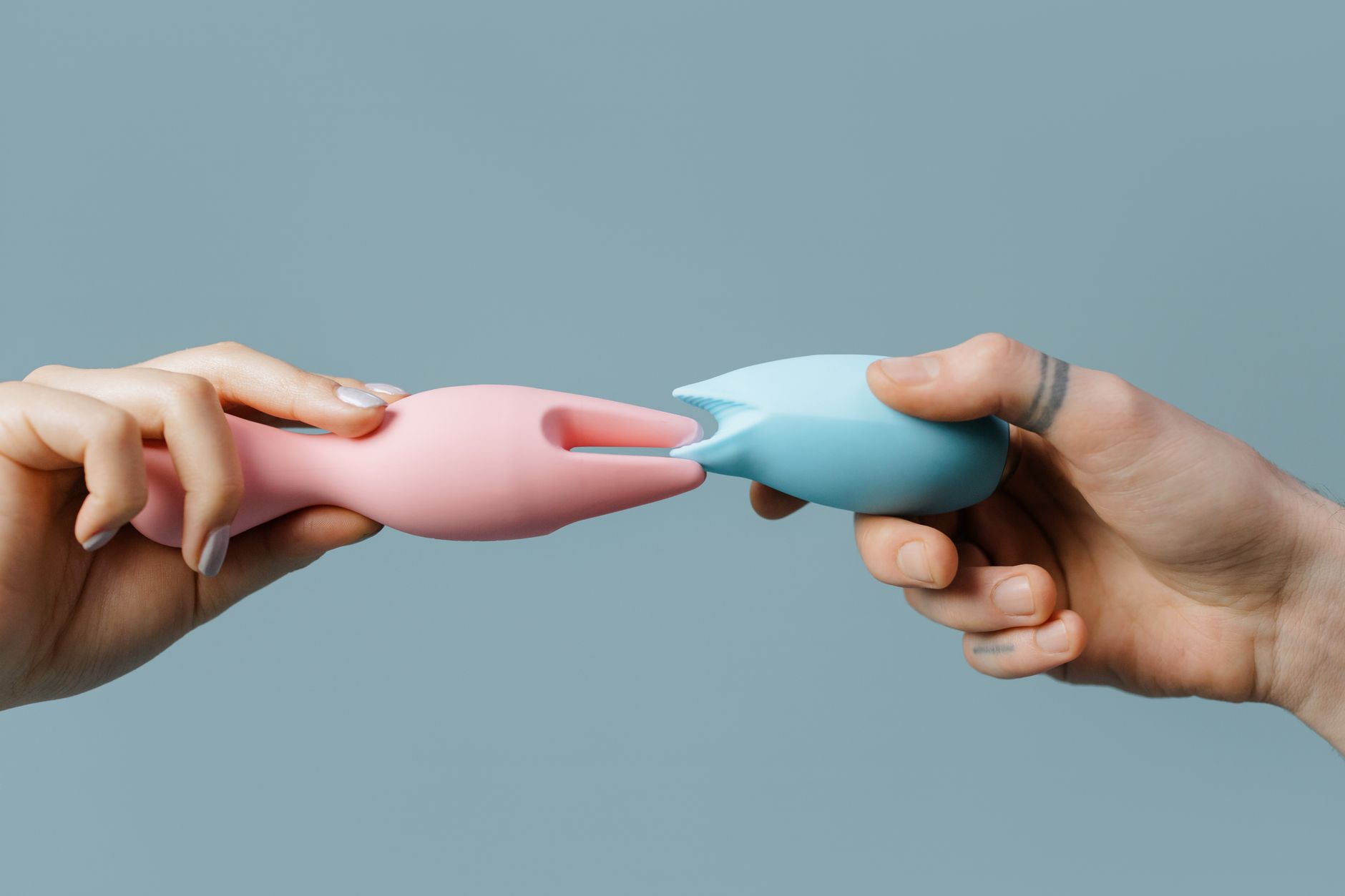
A lemon clitoral vibrator works differently than your hand or a partner's touch. The suction and pulsing patterns stimulate nerves in a way that's often more efficient than friction-based stimulation. For people navigating medication adjustments, this can be the difference between feeling nothing and feeling something real again.
How to restart sensation safely
Start by talking to your prescriber. This matters. Some medications have better alternatives with fewer sexual side effects. Some doses are too high for you specifically. Some medication pairs work better than others. Your doctor isn't going to judge you for asking, and honestly, if they do, it's worth finding someone who takes this seriously.
While you're working on the medication side, here's how to rebuild sensation:
1. Extend your warm-up window. If arousal used to build in five minutes and now it takes twenty, budget for that. Set aside 25-30 minutes for solo exploration. Remove the pressure of "should this be happening faster." It's not laziness or loss of desire. Your brain chemistry literally needs more time to get the signal down to your body.
2. Try a different kind of stimulation. Your go-to move might not work right now. This is temporary. If you've always relied on one type of sensation, now's the time to try lemon vibrators or other tools that provide a different kind of input. Suction-based clitoral vibrators like the Lem don't require the same friction, so they often feel more accessible when sensation is muted.
3. Track what works. Notice which patterns, speeds, or even times of day feel better. Some people find that sensation returns stronger in the morning. Others need to explore when they're rested rather than at the end of the day. Mood matters too. If stress or anxiety is high, sensation often retreats.
4. Layer in sensation slowly. Don't jump to the highest intensity. Start at pattern one or two. Let your nerves wake up gradually. This isn't about working harder. It's about giving your system permission to respond at its own pace.
The mental piece (it's bigger than you think)
Here's the thing I see over and over: medication shifts sensation, yes. But the real problem is often the fear that follows. You try, nothing happens, and suddenly you're convinced you've lost this part of yourself permanently. Then you stop trying. Then the less you practice, the harder it gets to reconnect.
This cycle is real and it's worth naming. Your sensitivity didn't actually disappear. Your nervous system is recalibrated. There's a difference.
If you have a partner, let them know what's happening. "My medication changed how I respond to touch" is a complete sentence. You don't need to solve it together or manage their feelings about it. You just need them to know. A lot of relationship friction around sex during medication adjustment comes from partners thinking something emotional or relational has shifted, when actually it's just biochemistry doing its job.
If you're exploring solo, give yourself actual permission to experiment without an outcome goal. Not "I'm going to have an orgasm." Just "I'm going to see what feels interesting right now." Sometimes this removes enough pressure that sensation comes back faster.
When to escalate to your doctor
If sensation hasn't budged after 8-12 weeks, loop back in with your prescriber. Some options: lowering the dose, switching to a different medication in the same class (different SSRIs have different side effect profiles), taking an additional medication to counteract the sexual side effects (this is a real and effective strategy), or changing the timing of your dose.
Some people benefit from adding bupropion alongside an SSRI because bupropion actually increases dopamine. Others find that switching from an SSRI to a different class of antidepressant entirely changes the sexual side effects. You deserve to feel something. Your prescriber has tools to help.
In the meantime, tools like lemon vibrators aren't a Band-Aid. They're a legitimate way to keep engaging with pleasure while your chemistry rebalances. The more you use them, the more your nervous system stays available for sensation, which often helps speed up the adjustment period.
FAQ: Medication, sensation, and rediscovering pleasure
How long does it actually take for sensation to come back after starting new medication?
It varies wildly. Some people adjust within 2-3 weeks. Others take 8-12 weeks. A few don't adjust on their own and need to make changes to the medication plan. The best approach is to give it 4 weeks before spiraling, check in with your prescriber around week 6-8, and stay patient with yourself. Sensation almost always returns when the right adjustment is made.your body, not your failure.
Can using a lemon vibrator during medication adjustment actually help sensation come back faster?
Yes, with a caveat. Consistent stimulation keeps your nervous system engaged and responsive. Using a vibrator regularly during medication adjustment means you're not losing additional sensation from disuse. It also gives you feedback about what's working right now, which helps you rebuild confidence. The suction-based stimulation from lemon clitoral vibrators is often more effective than friction when sensation is muted, so they're particularly useful during this period.
Is it okay to use lemon vibrators while on antidepressants or other medications?
Completely fine. There's no interaction between the vibrator itself and any medication. The vibrator is just a tool. If your medication has altered sensation, the tool might help you feel something when nothing else does. That's not masking the problem, it's working around it while your brain chemistry rebalances.
What if my partner isn't experiencing the same medication side effects?
This is a real friction point. You can have mismatched timelines for arousal, desire, or sensation. The solution is almost always communication about what you each need right now, not assuming things have changed emotionally. "I need longer warm-up time and different kinds of touch while my body adjusts" is a statement about logistics, not love. Partners who get this and adapt usually find that the adjustment period gets easier, and sensation often comes back when expectations match reality.
If sensation doesn't fully return, what does that mean for my sex life long-term?
It doesn't mean your sex life is over. It means you're working with different sensation than before, and you get to figure out what actually feels good now. Some people find that once they adjust, sensation feels just as good as before, only different. Others keep some permanent changes but find new patterns that work beautifully. The key is stopping the spiral of "this should feel like it used to" and starting to explore "what actually feels good now."
Can I switch between different vibrators during medication adjustment, or should I stick with one?
Experiment. Different vibrators provide different sensations. The lem vibrator uses suction, which is distinct from traditional vibration. Try various patterns and intensities. Your nervous system is recalibrating, and different tools might unlock different feedback. Variety actually helps because it keeps your exploration phase interesting and gives you multiple reference points for what's starting to feel good again.
Getting back on track
Medication adjustments are temporary recalibrations, not permanent losses. Your body is adapting to a chemical change. With patience, the right medical support, and tools like lemon vibrators that meet you where you are, sensation almost always returns. Sometimes it takes weeks. Sometimes it takes conversations with your prescriber and dose adjustments. But it does come back.
Your pleasure matters. Your body's response matters. And asking for help navigating this stuff is exactly what you should be doing. If you're struggling with this transition and want to talk through what's happening, reach out. We're here for this.
Sources
- Clayton, A. H., Alkis, N., & Khoury, F. (2019). "Sexual dysfunction associated with antipsychotic medications." Current Psychiatry Reviews, 15(2), 78-92.
- Kennedy, S. H., et al. (2013). "Sexual dysfunction in depression: Clinical outcome of treatment effects." The Canadian Journal of Psychiatry, 58(5), 278-285.
- Montejo, A. L., Llorca, G., Izquierdo, J. A., & Rico-Villademoros, F. (2001). "Incidence of sexual dysfunction associated with antipsychotic agents: A prospective multicenter study." The Journal of Clinical Psychiatry, 62(Suppl 3), 34-38.