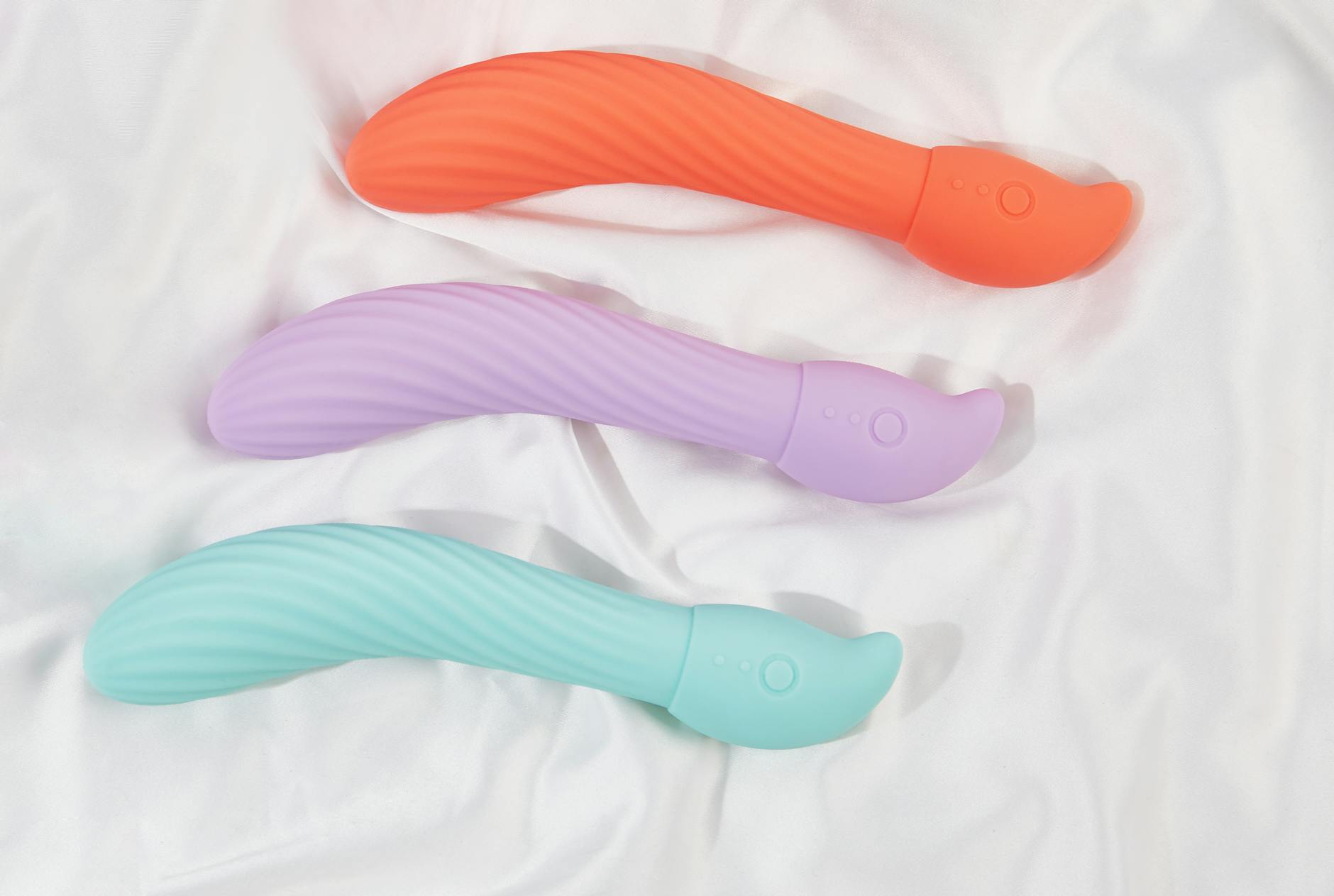
Let's start with what nobody tells you clearly
Postpartum recovery is not six weeks. That's a medical milestone, not a finish line. Your body has been through something profound, and the timeline for feeling like yourself again (or discovering you're someone new) varies wildly from person to person.
The pressure to "bounce back" makes people dismiss what's actually happening: hormonal recalibration, tissue healing, sleep deprivation, and often a complete reconfiguration of how you relate to your own body. Pleasure gets lost in that shuffle. But it doesn't have to.
What's happening in your body right now
During pregnancy and birth, your pelvic floor stretches, sometimes tears, sometimes requires surgical repair. Hormones drop sharply after delivery. Bleeding continues for weeks. Breastfeeding can further suppress estrogen, which affects lubrication and tissue elasticity. Your nervous system is in near-constant activation mode, managing a newborn.
Meanwhile, you're hearing from everywhere that six weeks is the magic number when sex is "allowed" again. That's less a scientific fact and more a convenient checkpoint. Whether your body feels ready at six weeks, twelve weeks, or six months matters infinitely more than the calendar.
Here's what actually changes during postpartum healing that affects pleasure: sensation returns gradually. The pelvic floor needs time to regain strength and flexibility. Arousal takes longer to build because your nervous system is operating in survival mode. And your mental relationship to your body often needs repair alongside the physical healing.
The pelvic floor story (it's not just about Kegels)
Your pelvic floor is a hammock of muscles that supports your bladder, bowel, and uterus. During pregnancy and birth, it stretches. If you had a vaginal tear or episiotomy, the healing involves scar tissue. If you had a cesarean, the incision cuts through multiple layers, and even though the opening is abdominal, your pelvic floor still did most of the work of carrying that pregnancy.
Kegels are useful, but they're only half the picture. A tight pelvic floor (which many postpartum people develop from guarding, trauma, or pain) makes pleasure harder, not easier. You need both strength and flexibility. That means pelvic floor physical therapy is worth serious consideration if you had a complicated delivery or if pain appears when you try to have sex.
Lemon clitoral vibrators are genuinely helpful here because they work with your body's healing, not against it. Unlike vibrators that require intense direct pressure, the suction technology in a lem vibrator uses gentle pulses that stimulate nerve endings without the mechanical stress. If your pelvic floor is still sensitive or tender, that matters.
When is pleasure actually safe to explore?
The standard medical advice: wait until bleeding has stopped and any tears or incisions have healed enough that you're cleared by your doctor. Most practitioners clear you around six to eight weeks for penetrative sex.
But pleasure is not the same as penetration. Solo exploration or external stimulation can often begin earlier, especially if you're not experiencing pain. Some people feel ready at six weeks. Others need twelve or sixteen. Neither is wrong.
Here's the distinction that changes everything: if you're cleared by your doctor and bleeding has essentially stopped, external clitoral stimulation is generally safe. The clitoris is not inside your healing vaginal canal. It's external. Gentle stimulation using a toy like a lemon vibrator lets you explore sensation without putting pressure on healing tissue.
What's not safe yet: anything that creates pressure or friction inside the vagina if you're still in active healing. That includes penetration, whether with a partner or with a toy. Wait for that conversation with your doctor.
How to actually start exploring pleasure again
First: your brain needs permission. Postpartum people often feel a strange combination of touched-out (the baby is always on you, needing something) and disconnected from physical pleasure. You might feel like your body is not yours. That's normal, and it's worth naming before you try anything.
When you're ready to explore, start small and solo. Your own hands, first. Notice what feels good. Your nervous system is fragile right now, and familiar touch is calming.
When you're ready for a tool, a lemon vibrator is an excellent choice because it introduces sensation without overwhelming. Here's how:
Start with the lowest pattern. Most lemon clitoral vibrators have five or more patterns. Begin at level one or two. Your sensitivity is heightened right now, and what feels amazing might have felt too subtle before pregnancy.
Use lubricant. Postpartum lubrication changes, especially if you're breastfeeding. Water-based lube is essential. This isn't a sign something is wrong. It's just your body's current state.
Keep sessions short. Fifteen minutes, max. Your nervous system is already overloaded. Quality over duration.
Don't chase the orgasm. This is genuinely important. Pleasure right now is about reconnecting with sensation, not hitting a specific outcome. If orgasm happens, excellent. If it doesn't, that's also fine. The goal is to remember that your body can feel good.
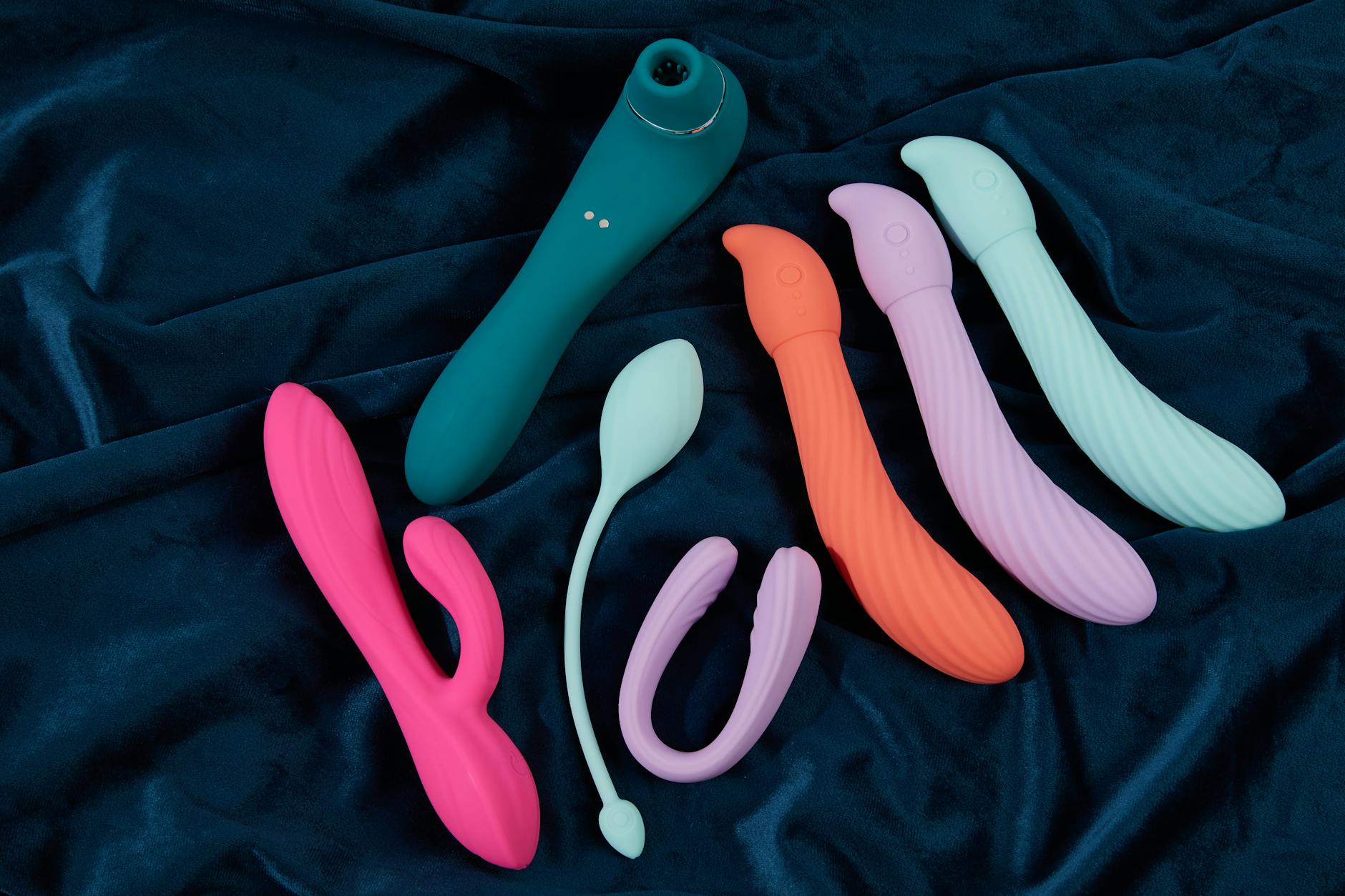
Photo by IFONNX Toys on Pexels
What changes when you want to include your partner
If you have a partner, this conversation matters. You're not the only one recovering. They might feel rejected, worried about hurting you, or unsure what's welcome. That's worth discussing outside the bedroom first.
When you do explore pleasure together, a lemon vibrator can actually ease the transition. It gives your partner something specific to do (which can reduce performance pressure) and it ensures stimulation is focused on your clitoris, not on healing tissue inside your vagina. That distinction is crucial during recovery.
You might also use it alone while your partner is present, just to remember what pleasure feels like without the expectation of penetration. That can be genuinely intimate in a different way.
The emotional dimension (it matters as much as the physical one)
Some people feel relief at the permission to slow down. Others feel grief about their changed body. Many feel both simultaneously. That complexity is real, and it's worth respecting.
If you're struggling with body image postpartum or if sex feels connected to trauma (especially if your birth was difficult), a therapist who specializes in postpartum adjustment can be as important as a pelvic floor physical therapist. There's no timeline for that healing.
And here's something nobody tells you: pleasure might feel different after childbirth. Not necessarily worse. Different. Some people report more intense orgasms, more connection to their body, a different quality of sensation. Give yourself space to discover what's true for you, rather than comparing it to what came before.
Common questions as you're healing
Is it normal to feel zero interest in sex right now? Completely. Hormones, sleep deprivation, and constant physical demands on your body suppress desire. It often returns gradually, sometimes only when other variables shift (better sleep, less newborn stress, your partner taking on more of the load).
Can I use a lemon vibrator if I had a cesarean? Yes, though healing timelines differ. Your pelvic floor still carried the pregnancy, and internal stitches need time. Stick to external stimulation until your doctor clears penetration. A lemon clitoral vibrator is designed for that.
What if penetration still hurts after three months? Don't push through. That's a sign to see your doctor or a pelvic floor physical therapist. Pain is information. It might be scar tissue, it might be tension, it might be something else. All of those are treatable.
Is using a lemon vibrator while postpartum "taking the easy way out"? No. You're healing from a significant event. Using a tool that works with your body's current capacity is intelligent self-care, not cheating.
Moving forward on your timeline
Postpartum recovery is not linear. Some days you'll feel ready to explore pleasure. Other days you'll be touched-out and want nothing but sleep. Both are valid. The key is listening to what your actual body is telling you, not what you think you should be feeling.
When you're ready, a lemon vibrator offers a bridge between your healing body and sensations that feel good. It's gentle, it doesn't require penetration, and it lets you reconnect with pleasure on your own terms. That matters more than hitting any particular timeline.
Your recovery is valid. Your timeline is valid. Your pleasure matters, even if it feels impossibly far away right now.
People also ask
How long after childbirth can I safely use a lemon vibrator?
Once bleeding has essentially stopped and your doctor has cleared you for activity, external clitoral stimulation with a toy like a lemon vibrator is generally safe. That's often around six to eight weeks, though every person heals differently. The key distinction: external stimulation on the clitoris is different from penetration inside the vagina. If your doctor cleared you for external activity, a lemon clitoral vibrator designed for external use is fine. If you're still in active heavy bleeding or experiencing pain, wait a bit longer.
Will using a lemon vibrator affect my healing?
No. A lemon vibrator uses gentle suction and pulses, not intense vibration. It doesn't involve penetration and doesn't put pressure on your healing tissues. Many people find it actually helpful because it reintroduces sensation without overwhelming a sensitive nervous system. Just avoid any internal use until your doctor clears penetration.
What if my partner wants to use a lemon vibrator with me and I'm not ready?
Say that. Clearly and early. Your partner doesn't automatically get access to your body during recovery. If they're pushing for sexual activity before you're ready, that's a separate conversation worth having with a therapist. Your readiness is the only timeline that matters.
Can I use lube with a lemon vibrator postpartum?
Yes, absolutely. Use water-based lubricant. Postpartum bodies often have different lubrication patterns, especially if you're breastfeeding. Lube is not a sign something is wrong. It's your body's current reality, and lube makes sensation more comfortable and pleasurable. Pair it with your lemon sucker and explore what feels good.
What if I have no interest in pleasure during postpartum recovery?
That's normal. Sleep deprivation, hormonal changes, and the constant physical demands of a newborn suppress desire in most people. Some take weeks to feel interest return. Others take months. There's no "should" timeline. If you're still experiencing zero desire after six months or if it feels connected to depression or anxiety, talk to your doctor. That's worth exploring with professional support.
Is it okay to masturbate postpartum if penetrative sex still hurts?
Yes. External stimulation, solo or with a partner, is a form of pleasure that doesn't involve the parts that are still healing. A lemon vibrator lets you explore that without pressure. You don't need to wait for penetration to feel good to be "allowed" to experience other kinds of pleasure.
References
American College of Obstetricians and Gynecologists. (2022). Postpartum care. Retrieved from https://www.acog.org
Bøgesund, A., et al. (2019). Postpartum sexual function: A cross-sectional study. International Journal of Gynecology & Obstetrics, 147(3), 335-341.
Horn, J., et al. (2018). Sexual function after childbirth: A prospective cohort study. Sexual Medicine, 6(3), 172-179.
Pelvic Health and Rehabilitation Center. (2023). Postpartum pelvic floor recovery. Retrieved from https://www.pelvichealth.org
If you're navigating postpartum recovery and want to discuss your specific situation, reach out to the team at Hello Nancy. We're here to support your journey back to pleasure.