Let's start with the awkward part
When your body heals from something major, pleasure doesn't always heal at the same pace. Sometimes it lags. Sometimes it feels like a stranger. And sometimes you realize the thing you're recovering from changed not just your body, but your entire relationship with sensation.
That gap between "I'm physically okay now" and "I actually want to feel pleasure again" is real. And it's not something you just power through.
What actually changes during recovery
Recovery is wildly specific to what you're recovering from. Surgery can rewire nerve pathways. Medication can flatten sensation or create numbness you didn't expect. Trauma recovery means your nervous system has learned that touch isn't safe, even when logically you know better. Extended illness creates a kind of numbness that lingers even after you feel well again.
But here's what I see with almost everyone I work with: the problem isn't that pleasure is gone. It's that the old pathway to pleasure doesn't work anymore, and nobody bothered to explain that you need to find a new one.
Your nervous system has been rewired. That's not a failure. That's just information.
Why sensation changes after physical recovery
After surgery or extended physical recovery, several things happen at once. Scar tissue can change how touch registers. Inflammation takes time to fully resolve, and tissues that were irritated stay defensive longer than you'd expect. Nerve regeneration follows its own timeline, often slower than the rest of the healing process.
But the part that surprises most people: your brain's sensitivity to sensation gets turned way down during recovery. This is protective. Your body literally dampens pleasure signals so you can focus on healing. When the acute recovery phase ends, that dampening doesn't always lift automatically.
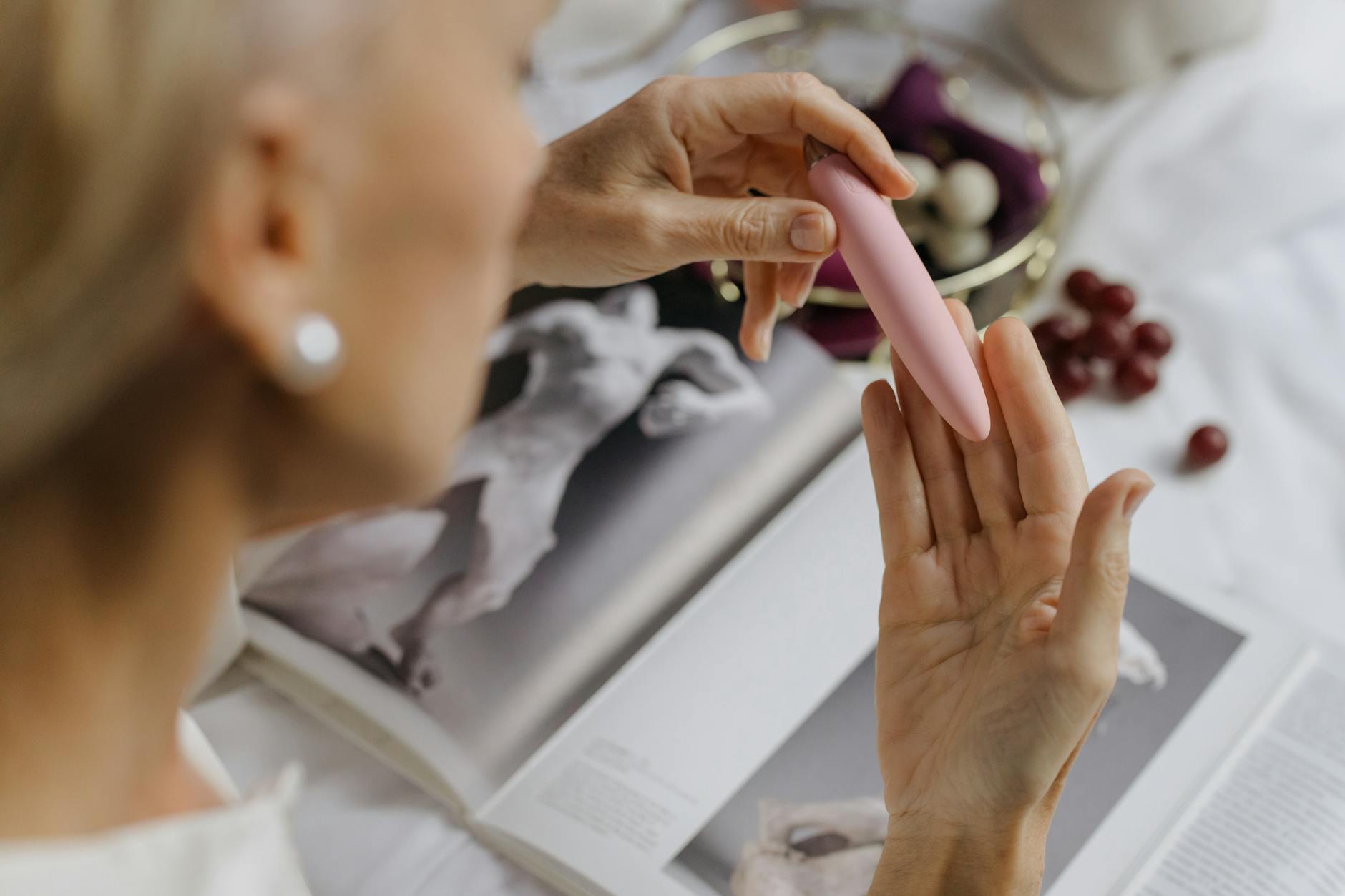
Lemon clitoral vibrators are particularly useful here because they don't rely on the sensation pathways that recovery disrupted. Air-suction stimulation engages different nerve clusters than direct touch or friction, which means you can often reach pleasure through a different route entirely while those primary pathways are still rebuilding.
The nervous system piece nobody talks about
If your recovery involved trauma, your nervous system learned something it needs to unlearn: that certain sensations mean danger. This isn't a belief. It's a reflex. Your body goes into protection mode before your brain even has a chance to feel safe.
Relearning pleasure after trauma recovery means going slow enough that your nervous system doesn't trigger its alarm system. This takes patience. And it takes tools that give you control.
With a lemon vibrator, you control the pace, the intensity, the exact pattern, the moment to stop. You're not dependent on someone else's speed or pressure. You're not negotiating your own body. This agency matters profoundly when you're rebuilding trust with sensation.
How medication changes what you can feel
Some medications that are absolutely necessary during recovery flatten sexual sensation as a side effect. Certain pain medications, antibiotics, or antianxiety drugs can create numbness that's biochemical, not emotional. You're not broken. Your brain chemistry is different right now.
Some people find that sensation returns when they stop the medication. Others find it returns gradually, over weeks or months. Some people adjust to a new baseline where pleasure takes longer to build, or feels subtly different than it used to.
Lemon vibrators work well here because they don't require you to feel sensation the way you used to. The suction patterns on a lemon clitoral vibrator create buildup and release. Even if sensitivity is muted, the cumulative effect often works. You're not chasing the old feeling. You're letting this new version of your body teach you something different.
The three-part approach to reconnecting
1. External before internal. Start with solo exploration before involving a partner. Your nervous system needs to practice feeling safe again, and that's easiest when you're alone and in total control. A lemon vibrator gives you precise control without negotiation or performance pressure.
2. Slow beats fast. Your instinct will be to turn up the intensity quickly to feel something. Resist that. Lower speeds and longer warm-up times actually work better for nervous systems in recovery. Use patterns one through three on your device. Spend 15-20 minutes even if you don't finish. The point is rebuilding your body's capacity to feel pleasure, not achieving an orgasm.
3. Expect nonlinearity. Some days sensation will feel clearer. Other days numbness comes back. This doesn't mean you're failing. It means your nervous system is still integrating what happened. Keep using your lemon clitoral vibrator even on the numb days. You're training your body, and training isn't linear.
What to watch for (and when to get help)
If pain appears during pleasure, stop and check in with your recovery practitioner. Pain isn't your nervous system being protective. Pain means tissue is still healing, and you need more time.
If you're experiencing severe numbness after several months of recovery and your doctor says tissue healing is complete, pelvic floor physical therapy helps. A skilled therapist can identify whether nerve compression or scar tissue is the culprit, and treatments exist for both.
If your recovery involved trauma and you're still experiencing freeze responses (your body going numb or stiff when touched), you might benefit from somatic therapy or trauma-informed sex therapy before relying solely on toys. That's not a limitation. That's appropriate phasing of your healing.
If you have a partner during this
Honestly, the conversation is more important than the tool. Your partner needs to understand that your body's new response to pleasure isn't about them. It's not about your attraction or your desire for them. It's about your nervous system's current capacity.
Making space for solo exploration first actually helps partnerships. When you understand your own body's new landscape, you have language and knowledge to share with your partner. You're not asking them to figure out a puzzle. You're bringing them information.
Introducing a lemon vibrator with a partner works best if you've used it solo first and feel comfortable with it. Then use it during partnered intimacy not as a replacement for attention, but as something that works alongside it. Some people find it easier to be present and feel pleasure when the vibrator is doing the sensory work, and their partner is doing the emotional work of touch and attention.
The timeline reality
Recovery isn't linear, and reconnecting with pleasure during recovery isn't fast. You might expect to feel "back to normal" around month six. Pleasure reconnection often takes longer. That's not abnormal. That's the timeline.
I typically see people finding real pleasure again somewhere between 3-6 months of consistent, gentle exploration. Some people take longer. Some find it faster. The people who have the easiest time are the ones who stop measuring against what used to be true and start paying attention to what's true now.
Your lemon vibrator doesn't need your old pleasure to work. It just needs your current body and your willingness to learn it again.
People also ask
Is it normal for sensation to feel completely different after physical recovery?
Completely normal. Surgery, extended illness, or medication changes rewire how your nervous system processes sensation. This isn't permanent, but it does take time for those pathways to rebuild. Most people experience some shift in sensation during recovery. The ones who bounce back fastest are the ones who explore what pleasure feels like now, rather than waiting for it to feel like it used to.
Can I use a lemon vibrator right after surgery?
Not immediately. Your surgeon or recovery doctor will tell you when genital tissue is healed enough for any stimulation. Usually that's somewhere between 4-8 weeks depending on the type of surgery. Once you get clearance, starting low and slow with a clitoral vibrator is often safer than manual stimulation because you control pressure and intensity precisely.
What if I feel nothing when using a lemon clitoral vibrator during recovery?
That's common and doesn't mean it's not working. Your nervous system might be too defended to register pleasure yet, even though the device is doing its job. Keep using it consistently. Sensation often comes back gradually, sometimes suddenly after weeks of feeling nothing. The consistency matters more than the immediate result.
How do I know if numbness is permanent or temporary?
Temporary numbness usually starts improving by month 3-4 of recovery. If you're at month 6 and sensation hasn't shifted at all, talk to your doctor or a pelvic floor specialist. Permanent nerve damage is possible but relatively uncommon. Most people find sensation returns, though sometimes to a new baseline rather than the old one.
Should I tell my partner I'm using a lemon vibrator to reconnect with pleasure?
That depends on your partnership and your comfort. If you have a partner and you're planning to be intimate together eventually, yes, it helps to share. You don't need to make it a big conversation. Something like "I'm using a vibrator to help my body remember what pleasure feels like" gives context and prevents misunderstandings. If you're using it solo only, it's your choice whether to share.
Can medication effects on sensation improve after I stop taking the medication?
Often, yes, but not always immediately. Some medications' effects on sensation fade within weeks of stopping. Others take months. A few create changes that persist. Your doctor can tell you what to expect with your specific medication. In the meantime, lemon sexual toys designed for clitoral stimulation often work well because suction-based sensation can sometimes bypass numbness that dulls more traditional friction-based stimulation.
Next steps
Recovery is lonely partly because nobody talks about this part. The physical healing gets attention. The emotional healing gets attention. But the rewiring of pleasure? That gets silence.
You deserve to feel good again. Not the same as before. Better, maybe, because you'll be doing it with intention and knowledge instead of habit. Start slow. Be patient with your body. Use tools that give you control. And remember that sensation returning isn't a deadline. It's a process.
If you want to talk through what recovery looks like for your specific situation, reach out. I'm here to help you figure out what your pleasure actually needs right now.