Let's be real about what low libido recovery actually means
Your libido is coming back. That's the easy part to celebrate. The harder part is that everything feels different now. Your body, your partner's expectations, your own sense of what you want. You're not the same person who had the low-libido season, but you're also not quite back to who you were before. That in-between is the uncomfortable bit where most couples get stuck.
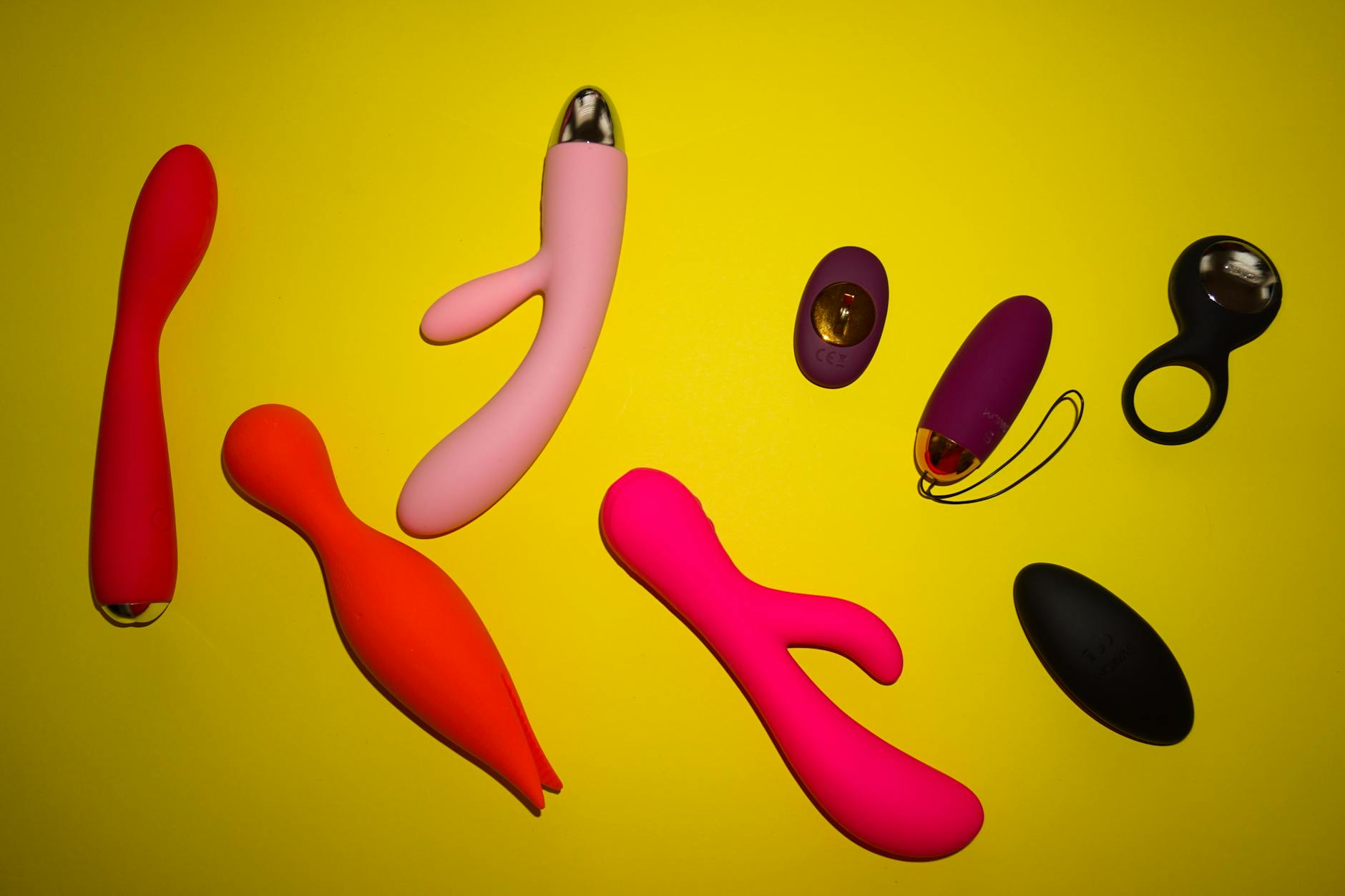
The good news: lemon vibrators and other clitoral vibrators are specifically designed to help you rebuild intimacy in that disorienting space. Not by forcing you back to your old rhythm, but by creating a new one that actually fits who you are now.
Why low libido recovery is different from just "more desire"
When libido drops.for months or years, something shifts beyond hormones or stress. Your nervous system recalibrates. Your partner stops initiating. You both learn to live without that physical connection, and sometimes that becomes the new normal. When desire returns, you can't just flip a switch and go back to what was.
There's often shame tangled in there too. You feel guilty for the time lost. Your partner might feel resentful or unsure how to touch you without triggering old patterns. And you're worried that if you admit you're still figuring it out, the moment will pass and you'll slip back.
That's where using lemon vibrators intentionally matters. They bypass a lot of that emotional complexity and let you focus on what actually feels good right now, with zero performance pressure.
Start solo before partnered play
This sounds counterintuitive when you want to reconnect with your partner, but it's actually the fastest path. When you explore with a lemon clitoral vibrator on your own first, you're answering three essential questions without an audience: What does my body actually want? How long does arousal take now? What intensity level feels right?
Spend 2-3 weeks with solo exploration before bringing your partner in. Use a water-based lubricant, start on the lowest setting, and let yourself be genuinely curious instead of goal-focused. Many people find their arousal now takes longer to build than it did before the low-libido season. That's not a problem. It's just information.
Pay attention to what patterns bring you pleasure. Do you like consistent suction, or do you prefer variety in rhythm? Do you want longer foreplay or faster escalation? This isn't vanity or overthinking. This is the baseline data your partner needs to feel confident moving forward.
Reframing intimacy as collaboration, not performance
One of the biggest shifts I see in couples rebuilding after low libido is that the dynamic has to change from "one person initiates, the other receives" to "we're figuring this out together." Lemon vibrators actually make that easier because they're a tangible third element that's not about anyone's failure.
Instead of "I want to have sex with you," the conversation becomes "I want to explore what feels good for us right now." That small shift removes so much shame and expectation.
When you bring your partner into your exploration, show them what you've learned about your own body. Let them see you use your lemon vibrator and articulate what's working. This isn't performance. It's information transfer. Your partner gets to watch you enjoy yourself, which rebuilds their confidence and desire. You get to feel witnessed, which builds safety.
Three rhythms for partnered rediscovery
When you're ready to move into partnered intimacy, structure matters more than you'd think. Low libido recovery benefits from rituals because they reduce decision fatigue and anxiety.
The slow rebuild. One partner uses a lemon clitoral vibrator on themselves while the other touches them elsewhere. Hands, lips, attention focused on non-genital areas first. This lets you both ease back into physical connection without the pressure of penetration or mutual simultaneous arousal. Take 20-30 minutes. No finish line.
The parallel exploration. You use your lemon vibrator while your partner uses theirs (or masturbates). You're in the same room, same bed, but on your own journey. You can touch, watch, or simply be present. This rebuilds comfort with pleasure in the presence of another person without the obligation to synchronize.
The integrated experience. Your partner is inside you or touching you while you use your lemon vibrator. This works well once basic comfort is restored. The vibrator does the clitoral work while your partner focuses on penetration or whatever else you both want. Divided labor, shared experience.
None of these requires you to feel a particular way or reach a particular outcome. They're simply structures that make it easier to reconnect without the old scripts running in your head.
Managing the emotional layer alongside the physical
Here's what most advice about low libido recovery misses: your body might be ready before your emotions are, or vice versa. You might feel desire return and then have it vanish when you remember how many months you felt nothing. That's not failure. That's your nervous system doing its job.
The lemon vibrator can actually help regulate this. When you use it, you're teaching your body that pleasure is safe, that it won't hurt, that it doesn't require anything from you except presence. Your nervous system learns through repetition. So does your relationship.
If shame keeps showing up, name it directly with your partner. "I feel weird about this because I was absent for so long." Not as an apology, but as context. Most partners respond with relief to honesty instead of silence.
Timing and frequency matter more than intensity
One mistake I see is people going too hard too fast once libido returns. You've been without desire for a long time. Your body is re-sensitizing. Lower intensity, longer exploration periods, and more frequent sessions actually rebuild arousal faster than occasional intense sessions.
If you can, touch yourself with your lemon vibrator 3-4 times a week. Partner-based intimacy 1-2 times. This rhythm lets your nervous system recalibrate without overwhelm. As comfort increases, frequency naturally shifts.
Most importantly: you're not trying to recreate what was. You're building something new. The couples who move through low libido recovery most successfully are the ones who treat it like learning a new language together, not like forgetting English.
When to seek outside support
If a month of solo exploration with your lemon clitoral vibrator brings no shift in how you feel, or if partnered attempts consistently trigger anxiety or pain, that's when a sex-positive therapist becomes essential. Low libido sometimes has a deeper root. Hormonal, relational, or sometimes both.
There's no shame in that. It's actually the smartest move to make. A therapist can help you identify whether the block is physical (medication side effects, hormonal imbalance) or relational (unresolved resentment, disconnection that needs repair before desire returns).
What you're doing by intentionally rebuilding with lemon vibrators and your partner is already the hard work. Professional support just makes sure you're pointed in the right direction.
FAQ: Rebuilding Intimacy With Clitoral Vibrators
How long does it usually take for libido to feel normal again after a low-libido season?
There's no timeline, which I know isn't satisfying. For some people, 2-3 months of consistent exploration feels like reconnection. For others, 6 months. The key is consistency over intensity. Using a lemon vibrator 2-3 times weekly usually shows shifts in 4-6 weeks because your nervous system is building a new safety pattern around pleasure.
Is it normal to feel aroused alone but not with my partner?
Completely normal. Solo arousal with a lemon clitoral vibrator is low-pressure and zero-judgment. Partner presence adds complexity: expectations, history, vulnerability. Start with your partner present but not touching. Let them read or simply sit nearby. Build comfort gradually. Your nervous system will relax the more you repeat the experience.
My partner feels threatened by the vibrator. How do I talk about this?
Most partner resistance isn't really about the toy. It's about fear that they're not enough, or that you're replacing them. Reframe the lemon vibrator as a bridge back to him or her, not an alternative. Explain what your body needs right now and invite them to be part of that discovery. Often, watching their partner use a clitoral vibrator and enjoy themselves actually builds a partner's confidence and arousal.
Should we use a vibrator every time we're intimate?
No. The goal is for the vibrator to expand your options, not become a requirement. Start with it as part of most sessions, then gradually reduce as spontaneous arousal and confidence rebuild. Some couples find they always want a lemon vibrator involved. Others phase it out. Both are fine.
What if I orgasm easily alone but can't during partnered sex?
This is common after low libido. Your body learned that solo pleasure is safe but partnered pleasure carries risk or expectation. Try the parallel exploration rhythm first: both of you pleasuring yourselves in the same space. Then slowly introduce partner touch. Your body will build new associations at its own pace.
How do I know if this is working or if I need professional help?
You're moving in the right direction if arousal is building more quickly than it was a month ago, if you're genuinely wanting to explore (even if some sessions feel awkward), and if your partner is becoming more confident. You likely need outside support if arousal isn't shifting after 6-8 weeks of consistent exploration, or if partnered attempts consistently trigger pain or shutdown.
The real work is the presence, not the toy
A lemon vibrator is a tool. What actually rebuilds intimacy after low libido is showing up consistently, being honest about where you are, and choosing your partner or yourself over and over again. The vibrator just makes that choice feel better in your body.
Your libido returning is the opening. What you build from here is up to you. If you're stuck or feel like you need guidance, that's what we're here for. Reach out and let's talk about what rebuilding actually looks like for your relationship.