
Let's name the actual problem
One of you wants light, sweeping stimulation that moves across the whole area. The other wants concentrated, steady suction right on the clitoris. Neither of you is wrong. Your bodies simply prefer different sensations, and pretending they're the same thing breeds resentment faster than almost anything else in a bedroom.
The good news: lemon vibrators, especially suction-based designs, are uniquely built to bridge this gap without forcing either of you to compromise.
Why this particular mismatch happens
Clitoral preference is partly neural wiring, partly learned, and partly situational. Some people develop arousal through broad stimulation that builds slowly across the entire vulva. Others reach peak sensation with focused, sustained pressure on the clitoral head itself. Neither preference is more valid or more "correct."
When you're with a partner who prefers the opposite, the temptation is to find a middle ground. But middle ground often means both people feel slightly unsatisfied. You're getting less intensity than you want. They're getting less breadth than they crave.
Lemon clitoral vibrators solve this differently. Instead of splitting the difference, they let you take turns directing the experience or, better yet, find a pattern that genuinely works for both bodies.
How suction technology changes the negotiation
There's a reason I recommend air-suction toys like the Lem vibrator to couples with mismatched touch preferences. Traditional vibrators buzz in one fixed pattern across the entire toy surface. If your partner prefers broad stimulation, they might use the Lem on a lower setting with the head pulled back slightly, letting the suction field expand across more tissue. If you want concentration, you angle it for a tighter seal and run it at a higher pattern, creating focused intensity.
The same toy becomes two different experiences depending on how you use it. That flexibility matters because it means you're not choosing between "my pleasure" and "theirs." You're choosing between settings.
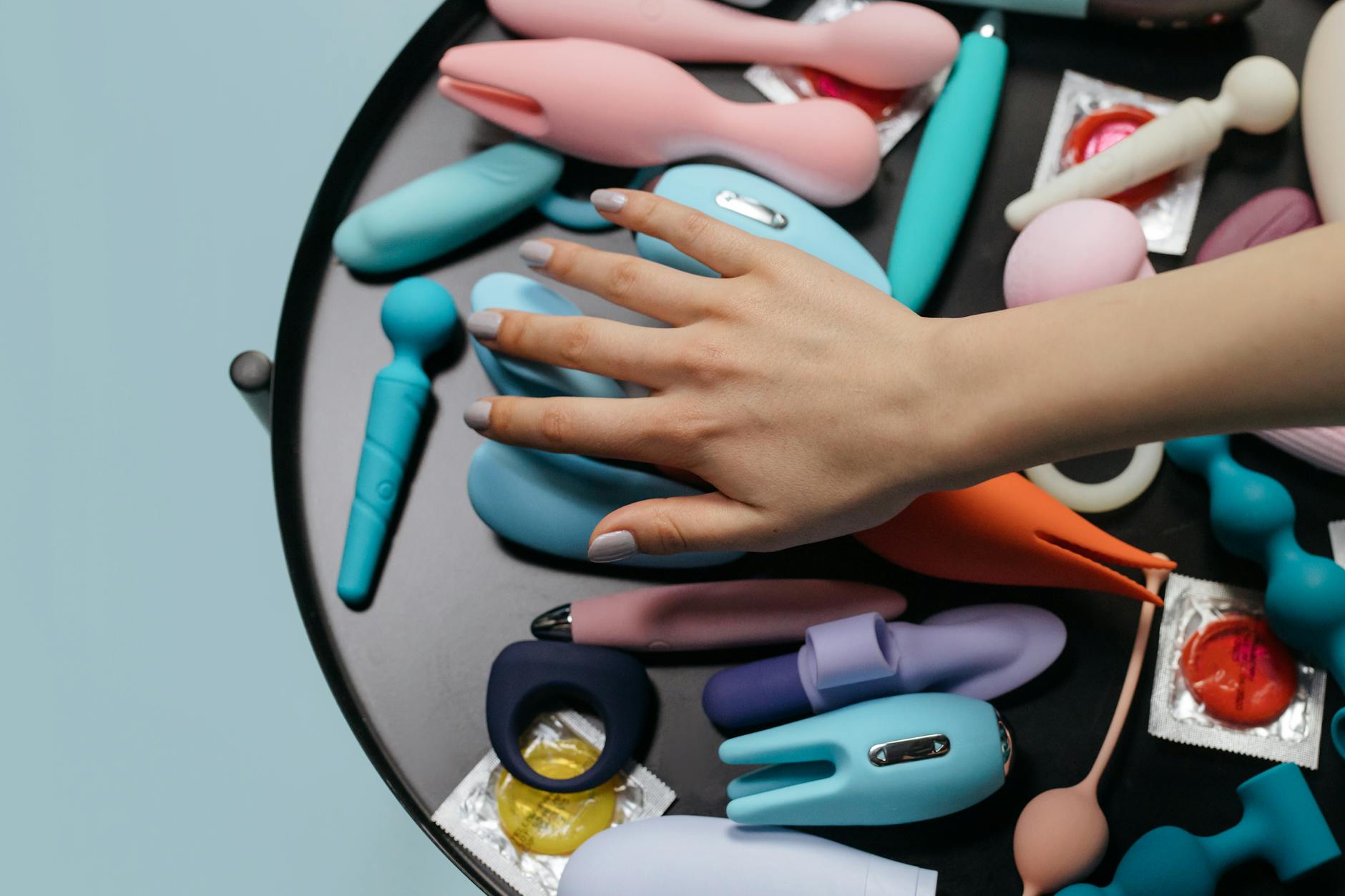
Photo by cottonbro studio on Pexels
The practical approach
Start by talking about sensation preferences outside the bedroom. Not during foreplay, not mid-experience. Over coffee or before bed, ask specifically: Do you prefer light, exploring touch or deeper, more concentrated sensation. Does your arousal build faster with movement or with steady pressure. This conversation removes the shame that couples sometimes attach to "why my partner's touch doesn't quite work for me."
Once you know what each of you wants, here's the mechanics. Introduce the lemon clitoral vibrator to both of you solo first. Spend time on every pattern setting at every intensity level. Get curious about what actually feels best for your own body without the pressure of your partner watching or waiting.
Then bring it into partnered time. Start with the person who typically prefers focused sensation going first. They can position the toy exactly as they like it, find their preferred pattern, and reach whatever version of arousal or orgasm feels right. No rushing. No adjusting for someone else.
Then switch. Let your partner explore the exact same toy, but they'll naturally adjust how they're holding it, which setting they're using, how much they're moving. Their experience will look completely different, and that's the whole point.
Why this actually strengthens connection
Here's what I see happen in my practice when couples approach this deliberately: they stop seeing their different preferences as a problem to solve and start seeing them as interesting data about each other. You're learning what your partner's body actually wants instead of assuming it's identical to yours.
That learning is intimate in a way that forced compromise never is. You're not sacrificing. You're both getting what works. The lem vibrator becomes a tool that says, "Your pleasure matters enough that we're going to figure this out properly."
The conversation that prevents resentment
Talk about who initiates using the toy and when. Talk about whether you want to use it in the same session or separately. Talk about whether you want your partner's hand involved or whether you prefer them present but not touching. These details matter because they prevent the slow build of irritation that happens when one person feels like they're always adjusting.
One couple I worked with discovered that they both actually preferred using their lemon vibrator during solo time, but they'd send each other photos or voice messages about it. That felt sexier to them than being in the room together. Another couple found that taking turns in the same session, with lots of kissing and conversation between turns, deepened their intimacy.
There's no script. The point is that you're deciding together instead of defaulting to what you assume partners "should" do.
What changes when you both feel satisfied
When you stop asking your body to want what your partner's body wants, something shifts. The sex stops feeling like negotiation and starts feeling like play. You're not braced against disappointment. You're genuinely curious about what's going to feel good.
Partners who overcome this mismatch often report that their desire for each other actually increases. Not because the sex is inherently better, but because you both feel truly seen. Your pleasure isn't an afterthought or a compromise. It's equally important, equally prioritized, equally explored.
That matters for long-term desire in ways that generic "communication" advice rarely captures.
When this approach isn't working
If you've had this conversation multiple times and nothing changes, the problem might not be about the vibrator or even the touch preference. Sometimes different touch desires point to something bigger. Maybe one partner feels less entitled to pleasure. Maybe there's resentment underneath about other parts of the relationship. Maybe one of you actually has low desire and the touch preference is just the surface-level symptom.
If you're stuck, a sex-positive therapist or relationship coach can help you untangle whether this is truly about sensation or whether it's masking something else. There's no shame in getting support. Couples that do tend to find their way to genuine satisfaction faster than those trying to solve it alone.
Like many aspects of long-term partnership, the mismatch isn't the problem. How you both respond to it is.
FAQ
Can one lemon vibrator really satisfy two different preferences?
Absolutely. Suction-based designs like the Lem vibrator work across a range of intensities and patterns, so they're naturally flexible. One person might use it on pattern 2 with less pressure. Another on pattern 5 with a tight seal. Same toy, wildly different sensations. You're not buying two devices unless you want to.
What if my partner thinks I'm rejecting them by wanting different touch?
This is worth addressing directly. Say something like: "The way I prefer to be touched isn't about you. It's about how my body's wired." Make sure they understand that you still want them involved, still want them present, still want them participating. The vibrator isn't replacing them. It's clarifying what your body actually wants so they can show up better. Some couples find that once they stop forcing their bodies into the same preferences, the partner touch that does happen feels better to both of them.
Is it okay to use a vibrator while my partner is also touching me?
Completely. Some people love having the vibrator on while their partner kisses them, enters them, or touches other parts of their body. Others prefer the vibrator solo time with a partner present but not touching. Try both and see what actually builds arousal for you. This goes back to that crucial principle: your preference is worth exploring, not overriding.
What if one of us always wants to use the toy and the other rarely does?
That's information, not a problem. You might have really different baseline desires, and that's real. But make sure you're not equating "doesn't want the vibrator as often" with "wants less pleasure." Sometimes the person with lower frequency desire actually likes their occasional experiences more because they're not feeling pressured. Let that person initiate when they want it. Honor their rhythm.
How do we keep this from feeling like we're taking turns on something instead of having sex together?
Framing matters. You're not alternating use. You're exploring pleasure together, which sometimes means you're both focused on one person at a time. That's actually a more sustainable model than trying to climax simultaneously or pretend you have identical preferences. Partners who accept this tend to have better orgasms and less performance anxiety because there's zero expectation that you're supposed to come at the same time in the same way.
Can this approach work for long-distance couples?
Yes. In fact, some long-distance couples find this easier because you can explore your own preferences solo, then talk about what you discovered. When you do get in-person time, you're not starting from scratch on understanding what you each want. You're coming in with that knowledge already built.
The real benefit
People often assume that couples who have compatible sexual preferences have an easier time sexually. Actually, couples who learn to navigate real differences tend to have more durable pleasure. You're not relying on luck or default assumptions. You're building something intentional.
Lemon vibrators, especially air-suction models, are tools that let you be that intentional. They're flexible enough to work for different preferences, focused enough to deliver real sensation, and discreet enough that you're not having a production every time you want to use one.
Start with curiosity instead of compromise. Ask your partner what they actually want. Then ask yourself. Then figure out the tools and timing that honor both of those truths. That's how you move past "different touch preferences" and into genuine, sustained pleasure together.
If you're ready to explore this more deeply, reach out to us or check out how clitoral sensitivity shapes your arousal. There's no one-size-fits-all answer, but there's almost always a version of pleasure that works for both of you once you stop forcing the middle ground.