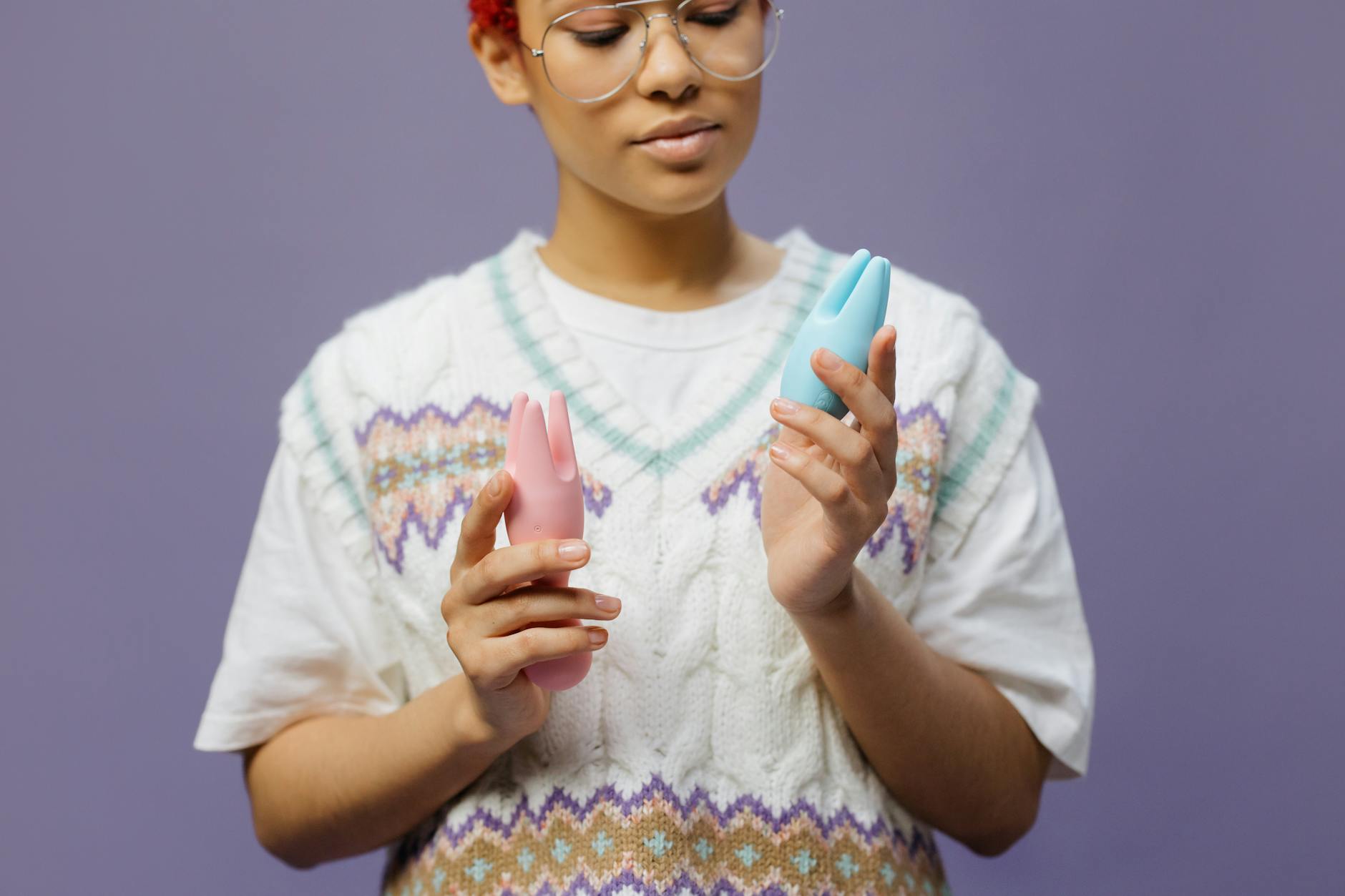
Let's talk about pain nobody's prepared for
Here's the thing: penetration pain is more common than anyone tells you. Not because something is wrong with your body, but because the conversation around sex assumes penetration is the default pleasure pathway. When pain shows up, it derails everything. You stop exploring. You start apologizing. Your partner starts overcompensating. The whole dynamic collapses into something that feels broken.
It's not. You're not broken. You just need a different door in.
That's where lemon vibrators and other clitoral stimulation tools become genuinely life-changing. Not as a workaround, but as the main event. The moment you shift the focus away from penetration pressure and toward direct clitoral pleasure, pain stops being the gatekeeper to your sexual life.
Why pain develops during penetration
There are a few common culprits, and they're all treatable or manageable.
Vaginismus is involuntary muscle tension in the pelvic floor. It happens when your body anticipates pain and tightens protectively. The tighter it gets, the more painful penetration becomes. It's a physical reflex, not a psychological block (though stress and anxiety make it worse).
Vulvodynia is chronic pain in the vulva even without penetration. Some people describe it as burning, stabbing, or raw sensitivity. It can be triggered by specific activities or just exist unpredictably.
Atrophic vaginitis happens when tissue thins from hormonal changes. Menopause is the obvious trigger, but breastfeeding, antidepressants, and certain hormonal contraceptives can do it too.
Endometriosis, pelvic inflammatory disease, and other medical conditions also cause penetration pain. The first move is always to rule these out with a doctor.
Here's what ties them together: they're all about friction, pressure, or tissue sensitivity in the vaginal canal. And here's the liberation in that: if the pain lives in penetration, you don't have to live there.
How clitoral stimulation changes the game
Your clitoris is actually an internal structure with sensitive nerve endings on the surface. Direct stimulation—the kind lemon vibrators and other clitoral vibrators deliver—doesn't require any internal pressure. You bypass the whole friction equation entirely.
When you focus on clitoral pleasure, orgasms become accessible without anyone having to endure pain. This does two things simultaneously. First, it proves to your nervous system that pleasure is still possible. Second, it breaks the pain-avoidance cycle that makes penetration anxiety worse.
If you do eventually want to explore penetration again, you're starting from a place of sexual confidence and arousal, not fear. But here's the permission you might need: if penetration pain never goes away, clitoral pleasure is a complete, satisfying sexual life. You're not settling. You're not compromising. You're just choosing a path that actually works.
Setting up your space for success
Pain often gets tangled with performance pressure and shame. The environment matters more than you'd think.
Start alone. No partner pressure, no anticipation of having to perform or explain. Just you, a toy, and time.
Use a water-based lubricant even if you don't think you need it. Lube isn't a sign of brokenness. It's a signal that you're in control and taking yourself seriously. The glide reduces any micro-friction that your nervous system might interpret as threat. That permission matters.
Warm up first. Spend 10-15 minutes on non-genital touch. Breasts, neck, thighs, whatever makes your body feel invited. Pain dulls arousal, so you need to reverse the equation: full arousal can actually reduce the salience of baseline pain.
Choose a lemon clitoral vibrator or other suction-based toy over something that requires direct pressure. The Nancy Lemons clitoral vibrator uses suction technology, which means gentler stimulation without the same friction-based intensity. For people managing pain, this is the difference between "I can do this" and "I can't."
Using a lemon vibrator when pain is part of your story
Start low and slow. Many suction vibrators have multiple intensity patterns. Spend time on settings 1-3. This isn't about rushing to an orgasm. It's about teaching your body that this kind of stimulation is safe and pleasurable.
Notice what happens without judgment. Your body might need time to trust that pleasure isn't going to hurt. That's normal. Some people take weeks to fully relax into clitoral stimulation after pain has been present.
If you feel any pain or discomfort, stop. Pain is information, not stubbornness. You're not failing if you need to pause and try again tomorrow.
When you do have pleasurable sensations, stay there. Linger on the patterns and intensities that feel good. Orgasm isn't the goal here. Pleasure is. If an orgasm happens, great. If not, that's fine too. You're rebuilding the connection between stimulation and safety.
Bringing a partner into this without making it weird
If you have a partner, the conversation might feel awkward. Here's a framework that works.
Say something like: "I've realized that direct clitoral stimulation feels best for my body right now. I'd love to explore that together, or sometimes on my own. Here's what helps me feel good." That's it. No apology, no explanation of what's wrong with you.
Show them the vibrator. Let them understand it's not a replacement for them. It's an expansion of what pleasure looks like in your relationship. If penetration has been painful, this might actually be a relief for them too. They don't have to worry about hurting you.
Consider partnered masturbation as a starting point. You control the toy. They're present, touching you elsewhere, or just watching. There's intimacy without the pressure of performing penetration.
If your partner struggles with this, that's their work to do, not yours. Your pleasure matters. Your body's needs matter. A partner who can't get on board with that is showing you important information about the relationship.
When to see someone
Penetration pain that doesn't improve with reduced pressure, lube, and time deserves professional attention. A pelvic floor physical therapist can assess whether you have muscle tension or other structural issues. A gynecologist can rule out infections, endometriosis, or other medical causes. A sex therapist can help with the psychological layer if anxiety is amplifying pain.
This isn't about fixing yourself. It's about getting the right information and support to move forward.
The permission you really need
Your pleasure doesn't have to look like anyone else's. If lemon clitoral vibrators and direct stimulation are what work for your body, that's not a limitation. That's your sexual truth. You're not less sexy, less desirable, or less complete because penetration is off the table.
Some of the most satisfying sexual lives are built on exactly this foundation: knowing what you need, choosing tools and approaches that honor your body, and refusing to apologize for it. That's not settling. That's liberation.
People also ask
Can I use a clitoral vibrator if I have pain during penetration?
Absolutely. In fact, clitoral vibrators bypass the entire friction-based pain pathway. They deliver direct stimulation without internal pressure, making them ideal when penetration causes discomfort. Many people find that focusing on clitoral pleasure with tools like lemon vibrators becomes their primary sexual practice, whether or not penetration pain ever resolves.
Will using a vibrator make penetration pain worse?
No. If anything, clitoral vibrators can help by building confidence and arousal without the pain trigger. You're teaching your nervous system that pleasure is possible and safe. When and if you ever return to penetration, you're doing so from a place of sexual confidence, not fear.
How long does it take to feel pleasure again after penetration pain?
It varies. Some people feel relief within a few sessions. Others need weeks or months of consistent, pressure-free stimulation before their nervous system fully trusts that pleasure won't hurt. Be patient with yourself. You're rewiring a learned association between sex and pain. That takes time.
Should I tell my partner I'm using a vibrator?
If you have a partner and want to maintain sexual connection with them, yes. You don't need permission, but transparency matters. Frame it as what works for your body, not what's wrong with them or your relationship. Many partners are relieved to know there's a way forward that doesn't involve their anxiety about causing pain.
What if penetration pain never goes away?
Then you build a sexual life around what does work. Clitoral pleasure is complete and satisfying. Partnered sex can involve non-penetrative intimacy. Some people find that removing the pressure to do penetration actually deepens their sexual connection. Your pleasure matters more than following someone else's template.
Is penetration pain normal?
It's common, which isn't the same as normal. But it's also absolutely manageable and often resolvable with the right approach, medical support, and tools. You don't have to live with pain. You also don't have to pursue penetration if your body is telling you it doesn't work. Both of those things are true.