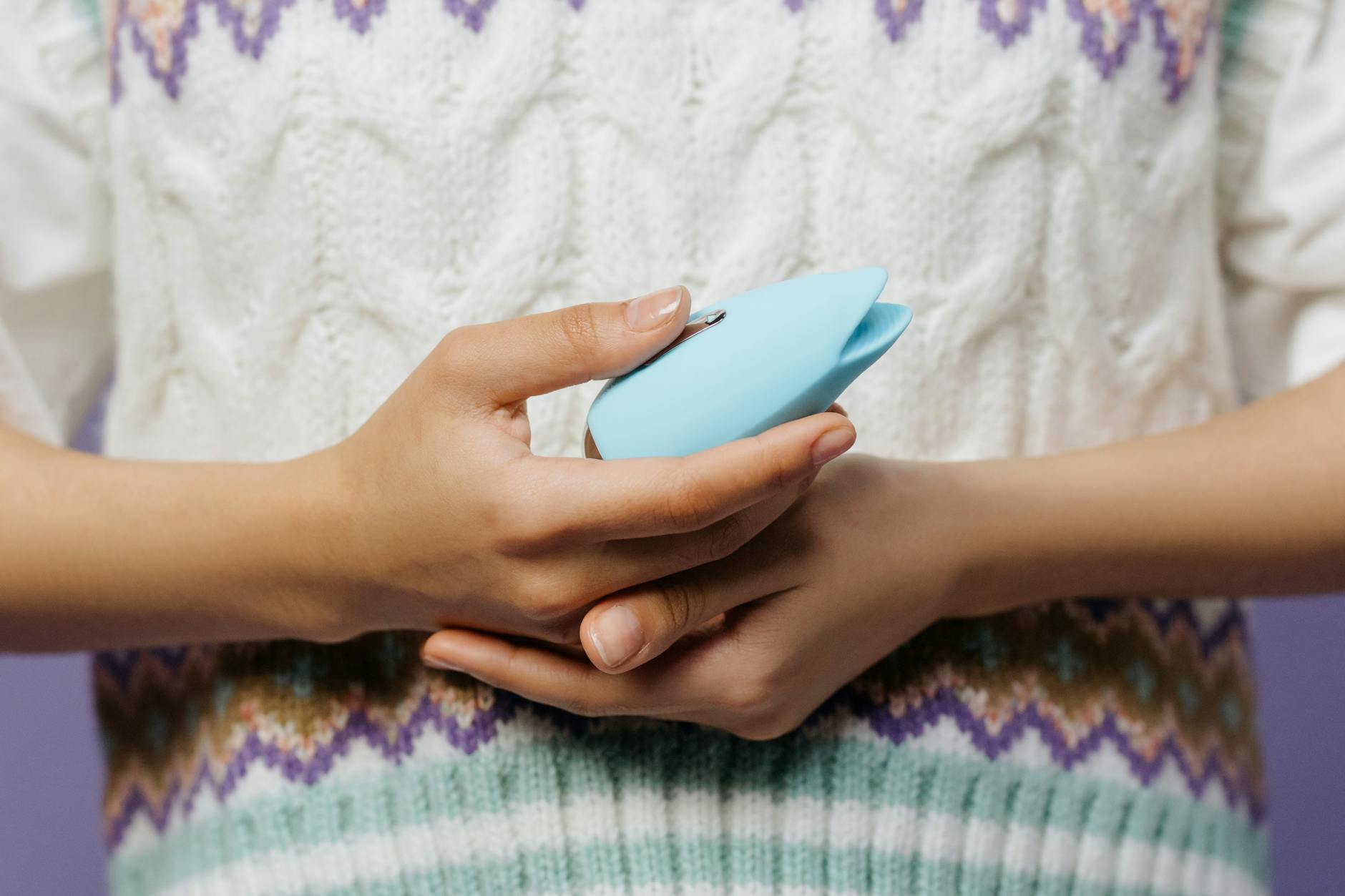
The paradox nobody talks about
Here's what happens when you use too much lube with a clitoral vibrator: the toy slips around instead of staying put, sensation gets diluted, and you end up chasing the feeling instead of sinking into it. It sounds counterintuitive, especially if you've been told lube is always your friend. And it is. Just not in unlimited amounts.
With air-suction toys like the Lem, the mechanics are different from traditional vibrators. Suction requires contact and seal. Too much lubrication breaks that seal, which means the toy loses the pressure that actually creates the sensation you're looking for. This isn't a sign you're doing it wrong. It's a sign you need to recalibrate the amount.
Why lube amount matters more than you think
Lubrication serves three jobs: comfort, glide, and protection of tissue. But there's a sweet spot where all three happen at once. Below that spot, friction increases (discomfort). Above it, the toy floats and sensation flattens.
For clitoral vibrators, especially lemon vibrators designed to cup and suction the clitoris, you need enough lube to protect tissue but not so much that you lose the seal. The difference between optimal and too-much is usually a few milliliters. It sounds small because it is. But it changes everything.
Water-based lubes are best for silicone toys because they won't degrade the material. The consistency matters too. Thicker lubes stay where you put them. Runny lubes spread everywhere and create that slippery-floaty feeling.
The right amount: how much is actually enough
Start with a small dab. This means a pea-sized amount on your finger or directly on the toy. Use the tip of your pinky. It feels insufficient at first. Try it anyway.
Apply it to the rim where the toy makes contact with your body, not inside the cup of the suction toy. This protects tissue and allows the seal to form without excess lube pooling in the chamber.
Once you've applied that amount, activate the toy on the lowest setting and pay attention to the first 20 seconds. Does it hold suction? Does sensation come through clearly? If yes, you're good. If you feel too much slip, you might need even less next time.
If the smallest amount still feels too slippery, you might be dealing with natural lubrication. Your body is already wet, which is great, but you might not need added lube at all. Many people with clitorises discover they need zero additional lubrication for clitoral toys. Worth testing before you assume the toy is wrong.
When more lube is actually necessary
There are moments when you need more than a pea-sized amount:
Dryness from hormonal changes. If you've had shifts in lube after hormonal changes, thinner tissue, or medications that affect lubrication, you'll need more protection. In these cases, apply to the rim and let a little settle. You might feel the first moments slightly slippery, but sensation usually sharpens once the toy is engaged.
Extended sessions. After 15 to 20 minutes, natural lubrication or your initial application will dry down or absorb. Pause, reapply a tiny amount, and continue. This is better than overloading at the start.
Skin sensitivity. If you have contact irritation or reactive skin, more lube means more of a protective barrier. In this case, you might need to accept slightly reduced sensation in exchange for comfort. That's a fair trade.
Thicker toys. If you're using a larger clitoral vibrator, the surface area is bigger and you might need slightly more. But "slightly" still means a dime-sized amount maximum, not a teaspoon.
The lube thickness problem
Not all lubes are the same consistency. Some are runny like water. Others are thick like gel. For clitoral vibrators, consistency matters as much as amount.
Thin, watery lubes spread fast and create that slippery-floaty sensation we're trying to avoid. They're great for partner penetration. For solo toy use, they often work against you.
Thicker, gel-based water lubes stay put better. They protect tissue, they don't run everywhere, and they let you maintain control over the amount. Brands like Sliquid or Yes make thicker formulas specifically for this reason.
If you're using a thin lube and finding too much slip, it might be the formula, not you. Try switching to something with more body and you'll probably need 30 percent less of it.
What happens when sensation disappears
If you've applied lube and suddenly can't feel much of anything, the problem is almost always too much. Not the toy. Not your body. The amount.
Here's how to recover: pause, gently wipe away visible excess with your fingers or a soft cloth, and start again with a smaller amount. You don't need to wash everything off. You just need to reduce the pool.
One common mistake: people think they need to reapply every few minutes. Most of the time, one application at the very start is enough for a 20 to 30 minute session. Your body's natural response will kick in. If it doesn't, then you might be in one of the categories above that genuinely needs more.
This is especially true if you're using a lemon clitoral vibrator or other air-suction toy. The whole point is to build sensation through repeated suction pulses. Too much lube mutes that entirely.
Finding your own optimal amount
Everyone's baseline is different. Hormones, hydration, time of cycle, medications, and stress all affect how much lube your body makes naturally. What worked perfectly last month might be too much this month. This isn't failure. It's just biology.
The best approach is to treat lube amount as a variable you test, not a fixed rule. Start minimal. If sensation is strong and you're comfortable, that's your number. If you feel friction or discomfort, add a touch more. If you feel slippery and lost, reduce it next time.
Keep notes if you want. Not in a clinical way, just a simple observation. "Pea-sized worked great" or "needed half that amount this time." After three to four sessions, you'll have a sense of what your body and your toy actually need.
When slippery means something else
Sometimes the issue isn't lube amount. It's toy positioning. If the toy keeps sliding around even with minimal lube, you might not have the right angle. The rim should make contact with your body at roughly a 45-degree angle, cupping the clitoris directly.
If you're tilting it too flat or too steeply, it'll slip regardless of lube. Angle first. Lube amount second. Most people find their angle within the first two or three uses.
Also worth checking: are your hands or the toy clean and dry beforehand? Even a tiny amount of sweat or water on your skin can make everything slippery. Dry off with a soft cloth, apply your lube, and try again. The difference is real.
The bigger picture: sensation, not soaking
There's a cultural story that more lube means better sex. That's true for some situations. For clitoral vibrators, especially suction-based toys, the opposite is often true. The goal is sensation, not saturation.
When you dial in the right amount, you'll feel the difference immediately. The toy stays put. Sensation comes through clearly. You can focus on pleasure instead of managing mechanics. That's the sweet spot.
If you've been struggling with sensation feeling lost or the toy slipping, chances are good this is fixable with a smaller amount. Test it. Trust your body's feedback. And know that finding the right amount is part of learning what works for you, not a sign anything is wrong.
FAQ: Lube amount and clitoral vibrators
How much water-based lube should I use with a lemon vibrator?
Start with a pea-sized amount applied to the rim where the toy makes contact with your body. This is usually enough. If you need more after testing, add a tiny bit more, but most people find the smallest amount works best with suction-based toys like the Lem. The goal is comfort and seal, not saturation.
Why does my clitoral vibrator feel slippery even with less lube?
It could be natural lubrication from your body, which is healthy and normal. Try using zero additional lube for one session and see if sensation improves. You might not need added lube at all for clitoral toys. If you're already dry and using minimal lube, the slipperiness might be the formula itself. Thinner lubes spread more. Try a thicker gel-based water lube.
Can I use silicone lube with my lemon clitoral vibrator?
No. Silicone lube will degrade silicone toys over time. Stick to water-based lubes only for any toy made from silicone. Water-based lubes are safer, easier to clean, and work well with all toy materials.
What if I'm naturally very lubricated? Do I still need to add lube?
Probably not. If your body is producing plenty of natural lubrication and you're comfortable, skip the added lube entirely. Your body's lubrication is actually ideal for clitoral toys because it won't cause excessive slip and it maintains sensation. Test a session without added lube and see how it feels.
How often should I reapply lube during a session?
Usually just once at the start. Most people find one application lasts 20 to 30 minutes. If you're going longer or your natural lubrication dries down, pause and add a tiny bit more. Don't assume you need constant reapplication. Let your body's natural response do the work first.
Is it normal for lube to feel uncomfortable against sensitive skin?
Some water-based lubes contain glycerin or other ingredients that can irritate sensitive skin. If standard lube bothers you, look for formulas labeled as hypoallergenic or glycerin-free. Brands like Yes or Sliquid make these specifically for sensitive vulvas. The amount might need to be slightly higher for protection, but the discomfort should disappear once you find the right formula.
Moving forward
The gap between too little lube and too much is narrow, but learning where that sweet spot is transforms the whole experience. You stop fighting the toy and start enjoying it. Sensation comes through. The toy stays put. Your body's feedback matters more than any rule about how much lube you "should" use.
If you've been frustrated with clitoral vibrators feeling slippery or sensation dropping out, this is a detail worth testing. Start smaller than you think you need. Pay attention to what happens. Adjust from there. Your body will tell you when you've found the right amount. Let me know how it goes over at /contact. I'd genuinely like to hear what works for you.